

 Parenting Guide


 Child Health & Growth


 Learning & Skills Development


 Food & Nutrition


 Bournvita






Introduction

Fun activities for students in the classroom can make lessons more interactive while giving children opportunities to practise communication, problem-solving, creativity and subject knowledge. When teachers combine traditional instruction with purposeful activities, students can apply concepts instead of only listening or memorising them.
Storytelling, role-playing, puzzles, experiments and creative projects can be connected directly to curriculum goals. The key is to choose activities that match students' age, abilities and the lesson objective. These creative activities for students in class can also provide different ways for children to participate and demonstrate what they understand.
How to Choose a Classroom Activity
Start with the learning objective, then choose an activity that allows students to practise or demonstrate it. Consider the grade level, available time, group size, classroom space and materials.
Activities should have clear instructions and an achievable challenge. Provide different ways to participate, such as speaking, writing, drawing or using visual aids, so students with different strengths can contribute.
10 Engaging Activities For Kids To Improve Learning and Creativity
Storytelling With a Twist
Students create or continue a story using a prompt, picture or object, adding an unexpected event along the way.
- Grade:1–8
- Group size:Individual, pairs or groups of 3–5
- Duration:15–20 minutes
- Materials:Story prompts, pictures or objects
- Steps: Give a prompt → let students plan → build the story → share it.
- Learning objective:Develop language, sequencing and communication.
- Differentiation:Allow drawing, keywords or oral storytelling instead of full writing.
- Exit ticket:Write one sentence describing the main idea of the story.
Role-Playing Real-Life Situations
Students act out familiar situations, such as a shop interaction, doctor visit or historical discussion, to apply subject knowledge.
- Grade:2–8
- Group size:3–5
- Duration:20–25 minutes
- Materials:Role cards or simple props
- Steps: Assign roles → explain the situation → allow planning → perform.
- Learning objective:Practise communication and applying concepts.
- Differentiation:Offer written scripts, visual prompts or non-speaking roles.
- Exit ticket:Write one thing you learned from another character's perspective.
Brain Teasers and Puzzles
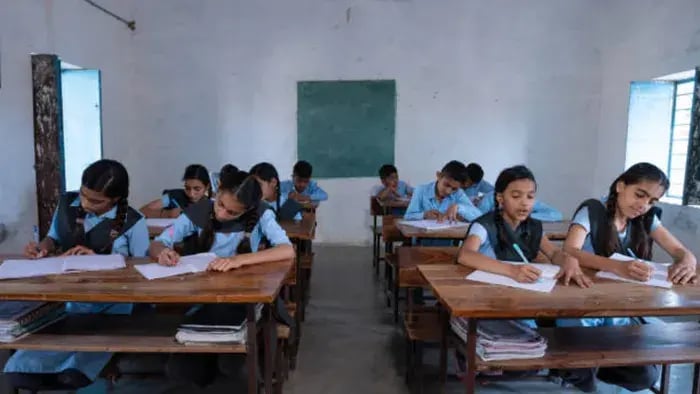
Use age-appropriate riddles, logic puzzles or crosswords connected to the lesson topic.
- Grade:2–8
- Group size:Individual or pairs
- Duration:10–15 minutes
- Materials:Puzzle sheets or board
- Steps: Present the challenge → allow thinking time → compare methods → discuss the answer.
- Learning objective:Practise reasoning and problem-solving.
- Differentiation:Provide easier and harder versions or visual clues.
- Exit ticket:Explain the strategy used to solve one puzzle.
Hands-On Science Experiments
Simple demonstrations help students observe scientific concepts directly, such as plant growth or a baking-soda reaction.
- Grade:2–8
- Group size:3–5
- Duration:20–30 minutes
- Materials:Age-appropriate experiment materials
- Steps: Predict → conduct the activity → observe → record → discuss.
- Learning objective:Practise observation and scientific reasoning.
- Differentiation:Use picture-based instructions or sentence starters.
- Exit ticket:Write the observation that best supports the lesson concept.
Creative Art and Craft Projects
Students create drawings, collages or models connected to a subject instead of completing an unrelated craft.
- Grade:1–8
- Group size:Individual or pairs
- Duration:20–30 minutes
- Materials:Paper, colours and age-appropriate craft supplies
- Steps: Introduce the topic → plan → create → explain the work.
- Learning objective:Encourage creative expression and subject understanding.
- Differentiation:Offer templates, adaptive tools or multiple ways to present ideas.
- Exit ticket:Label one part of the artwork and explain its connection to the lesson.
Debates and Group Work
Students discuss an age-appropriate question, listen to different viewpoints and present their reasoning.
- Grade:5–10
- Group size:4–6
- Duration:20–30 minutes
- Materials:Question or topic cards
- Steps: Introduce the topic → prepare points → discuss → summarise.
- Learning objective:Build reasoning, listening and communication.
- Differentiation:Provide sentence starters or allow written responses.
- Exit ticket:Write one argument or idea that changed or strengthened your thinking.
Math Games and Challenges
Turn practice into a short challenge using number cards, puzzles, Sudoku or mental-maths questions.
- Grade:1–8
- Group size:Individual, pairs or small groups
- Duration:10–20 minutes
- Materials:Number cards, worksheets or board
- Steps: Explain the problem → solve → compare methods → review.
- Learning objective:Practise numerical fluency and problem-solving.
- Differentiation:Adjust numbers, provide manipulatives or allow extra time.
- Exit ticket:Solve one similar problem independently.
Music and Rhythm-Based Learning
Use songs, claps, rhythm or simple chants to practise information such as multiplication facts, vocabulary or grammar.
- Grade:1–6
- Group size:Whole class or small groups
- Duration:10–15 minutes
- Materials:None or simple rhythm instruments
- Steps: Introduce information → create a rhythm → practise → recall without prompts.
- Learning objective:Practise recall and sequencing.
- Differentiation:Allow students to tap, speak, sign or follow visual cues.
- Exit ticket:Recall three lesson points without the rhythm.
Outdoor Learning
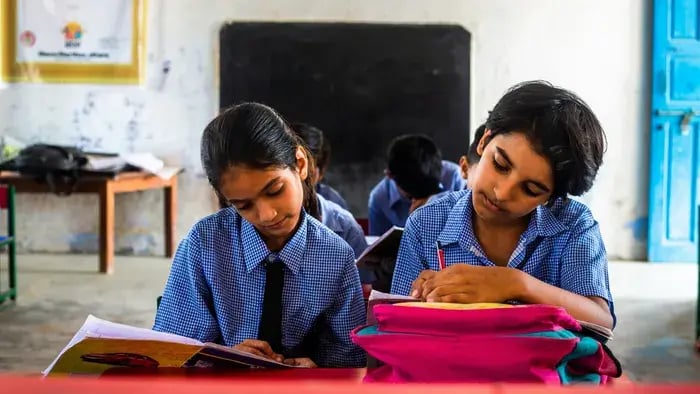
Move a suitable lesson outdoors through observation walks, nature searches or simple measurements.
- Grade:1–8
- Group size:Pairs or small groups
- Duration:20–30 minutes
- Materials:Worksheet, pencil and optional magnifier
- Steps: Set a task → observe → record → return and discuss.
- Learning objective:Connect classroom concepts with real-world observations.
- Differentiation:Provide picture checklists or seated observation options.
- Exit ticket:Record one observation and explain what it shows.
Interactive Quizzes and Gamification
Use short quizzes, trivia or team challenges to review concepts and identify areas that need more teaching.
- Grade:1–10
- Group size:Individual, pairs or small groups
- Duration:10–15 minutes
- Materials:Question cards, board or digital quiz
- Steps: Ask questions → allow thinking time → collect answers → explain responses.
- Learning objective:Reinforce recall and identify misconceptions.
- Differentiation:Read questions aloud, use visuals or provide additional response time.
- Exit ticket:Answer one new question independently.
Activities by Learning Goal
| Learning goal | Suitable activities |
| Communication | Storytelling, role-play, debates |
| Problem-solving | Puzzles, maths challenges, experiments |
| Creativity | Art, storytelling, music |
| Collaboration | Group work, quizzes, experiments |
| Observation | Outdoor learning, science activities |
| Subject recall | Music, quizzes, maths games |
Low-Prep and No-Prep Options
Teachers can use several activities with little preparation. Try a one-minute story, where students continue a teacher's opening sentence; quick classroom riddles related to the lesson; pair discussions followed by one-minute sharing; or a mental-maths challenge using the board.
How to Assess Learning After the Activity
A short exit ticket can show whether the activity supported the intended learning. Ask students to write or share one thing they learned, one question they still have, or one example related to the lesson. Teachers can also use a quick show of hands, a one-sentence explanation, a labelled drawing or a short quiz. Assessment should focus on the learning objective rather than how entertaining the activity was.
Conclusion
Fun activities for students in the classroom work best when they have a clear learning purpose. Storytelling, experiments, role-play, puzzles, creative projects and quizzes can give students different ways to practise and demonstrate what they know.
Frequently Asked Questions
What are fun activities for students in the classroom?

Storytelling, role-play, puzzles, experiments, art projects, maths games, outdoor learning and interactive quizzes can make lessons more engaging and purposeful.
Which activities need no preparation?
Story continuation, classroom riddles, pair discussions, mental-maths questions, observation tasks and concept explanations can require little or no preparation.
How can teachers include every learner?
Offer different ways to participate, provide visual or written support, adjust difficulty, allow extra time and use accessible materials when needed.
How can games reinforce lesson goals?
Connect every activity to a specific learning objective and use an exit ticket, question or short task to check what students understood.
Her love for storytelling began with reading her grandfather’s speeches, where Tarishi saw the power of words in creating lasting memories. Combining her passions for food and writing, she has turned her life into a fulfilling path of sharing stories that celebrate flavours and how food brings communities together.
The views expressed are that of the expert alone.