




 Parenting Guide


 Child Health & Growth


 Learning & Skills Development


 Food & Nutrition


 Bournvita





Introduction
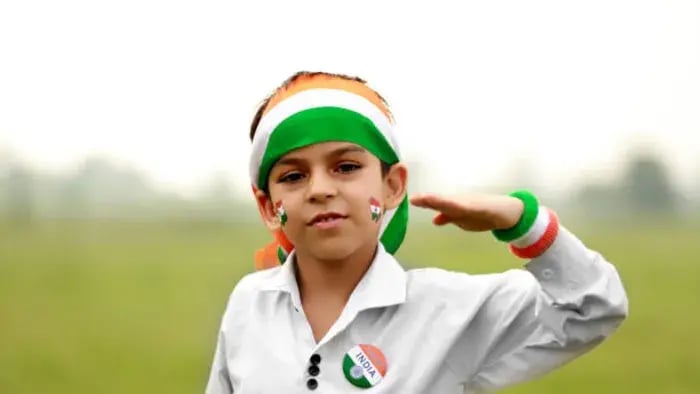
Freedom fighter dress-up days in school are more than just a chance for kids to wear costumes; they’re small steps into India’s history. For young boys, dressing up as brave leaders from the past can be a proud learning experience. It helps them understand values like courage, responsibility and standing up for what’s right not just through books but through action and imagination.
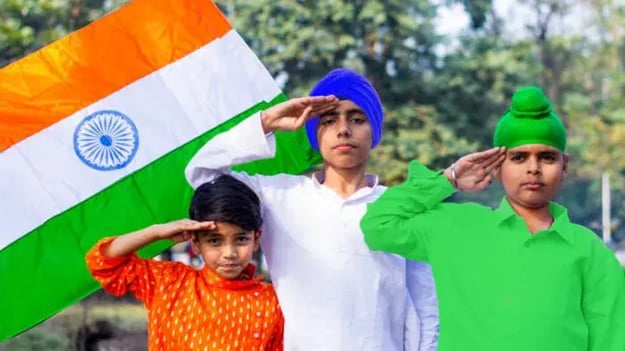
India’s freedom movement was led by people from all walks of life, each with a unique story. From Bhagat Singh’s fiery youth to Subhas Chandra Bose’s powerful speeches and Mahatma Gandhi’s simple dhoti and mighty resolve, these icons become more relatable when kids become them for a day. The joy of getting ready, speaking a line or saluting the flag creates a strong memory for both kids and parents.
Choosing the right look doesn’t have to be complicated. Indian freedom fighters are often remembered by their signature style, accessories or props that can be recreated with things you already have at home. The goal is to keep it real, respectful and fun. Whether it’s a white kurta, a Nehru cap or a stick for Dandi March, each element adds to the story your child will carry forward long after the event is over.
Top Reasons Why Children Must Participate in a Fancy Dress Competition
Fancy dress competitions are much more than colourful school events. They help children develop confidence, creativity, and communication skills while making learning enjoyable. Whether it's a school annual function or a 15 August fancy dress competition, these activities create memorable experiences and encourage children to explore different personalities and historical figures. Here are some of the biggest benefits.
Builds Confidence and Self-Esteem
Participating in a fancy dress competition allows children to perform in front of an audience and express themselves freely. Wearing a costume and playing a character helps them gain confidence and develop a positive self-image. Even a short performance can encourage them to participate in future school activities.
Helps Children Overcome Stage Fear
Many children feel shy about speaking in public. Fancy dress competitions provide a safe and supportive environment where they can gradually become comfortable on stage. Regular participation helps reduce nervousness and improves public speaking skills.
Encourages Creativity and Imagination
Selecting a costume, learning dialogues, and understanding a character encourage creative thinking. Children use their imagination to bring historical figures, community helpers, or superheroes to life, making the learning process exciting and interactive.
Improves Communication Skills
Fancy dress competitions help children develop both verbal and non-verbal communication. They learn to speak clearly, use expressions, and present their ideas confidently. These skills benefit them in academics and daily interactions.
Promotes Social Interaction
Preparing for competitions involves interacting with parents, teachers, and classmates. Children learn teamwork, cooperation, and how to communicate effectively with others, helping them build healthy social relationships.
Creates Awareness About History and Culture
Many independence day fancy dress ideas and freedom fighter fancy dress ideas involve historical personalities such as Mahatma Gandhi, Rani Lakshmibai, Subhas Chandra Bose, and Dr B.R. Ambedkar. Dressing up as these icons helps children learn about India's rich history and cultural heritage.
Gives Recognition and Motivation
Receiving appreciation, certificates, or prizes motivates children to work hard and improve their talents. Recognition builds self-esteem and teaches them the value of preparation and dedication.
Makes Learning Fun and Interactive
Role-playing helps children understand concepts better than simply reading about them. Acting as historical figures or national heroes makes learning enjoyable and improves memory retention.
Strengthens Parent-Child Bonding
Preparing costumes and practising speeches together creates wonderful family memories. Parents become actively involved in their child's learning journey, making the experience enjoyable for everyone.
Develops Overall Personality
Fancy dress competitions contribute to a child's overall personality development by improving confidence, creativity, leadership, communication, and presentation skills. These qualities help children succeed both inside and outside the classroom.
Freedom Fighter Dress-Up Ideas for Boys: Simple Costumes, Big Impact
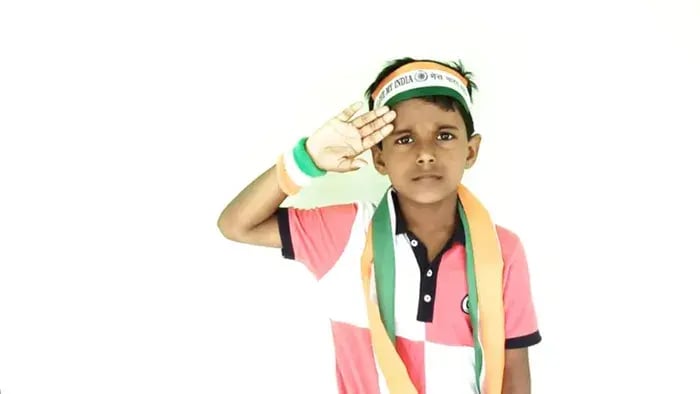
Independence Day or school cultural events often bring the chance for children to dress as freedom fighters, an activity that blends fun with a sense of pride. For young boys, these moments can plant early seeds of patriotism and admiration for India’s past heroes. Dressing up helps children engage with history more personally, especially when they get to represent the values of leadership, courage, and unity through roleplay.
Let’s look at five iconic freedom fighter looks that your child can confidently wear and proudly explain.
Mahatma Gandhi
Dressing as the Father of the Nation is a timeless choice. All your child needs is a white dhoti (or a white bedsheet folded properly), a plain shawl, round spectacles, and a walking stick. If possible, add a small spinning wheel model or draw it on a placard to complete the look. Gandhi’s simple outfit carries a strong message of truth and nonviolence, and it's often a favorite in school parades or fancy dress competitions.
Subhas Chandra Bose
Netaji’s costume is ideal for boys who enjoy dressing in a structured, commanding style. A military-green shirt and trousers, a matching cap, and a belt can recreate his signature Indian National Army look. Add a pair of black boots and a small toy microphone or flag to represent his famous speeches. Your child can confidently say his line, “Give me blood and I will give you freedom,” and stand tall as a bold patriot.
Bhagat Singh
Bhagat Singh’s look is both iconic and easy to manage. All you need is a light-colored shirt, khaki trousers, and most importantly, a black felt hat. Draw or stick a small mustache to match his youthful image. This costume encourages your child to speak about bravery at a young age and introduces them to the story of someone who challenged injustice with strength and purpose.
Jawaharlal Nehru
India’s first Prime Minister had a graceful presence. A white kurta-pyjama with a Nehru jacket (or any sleeveless coat) can form the base of this look. Add a red rose on the jacket lapel and a Nehru cap to finish. If your child enjoys public speaking, this character allows them to practice lines that reflect Nehru’s love for children and dreams for India.
Sardar Vallabhbhai Patel
Sardar Patel’s look is grounded in simplicity. A dull white or light beige kurta-dhoti, or even a kurta-pyjama, paired with a shawl gives the look of the ‘Iron Man of India’. You can use face makeup to show a salt-and-pepper beard if needed. It’s a subtle yet powerful choice that encourages kids to learn about unity and leadership in building a free nation.
Bhimrao Ramji Ambedkar
Dr Bhimrao Ramji Ambedkar, fondly known as Babasaheb Ambedkar, was one of India's greatest leaders, scholars, and social reformers. He dedicated his life to promoting equality, education, and justice for all sections of society. As the chief architect of the Constitution of India, his contributions helped shape the country's democratic values and legal framework.
Among the many freedom fighter fancy dress ideas, dressing up as Dr B.R. Ambedkar is both meaningful and educational. His life story teaches children the importance of hard work, determination, and treating everyone with dignity and respect.
Contribution to the Indian Constitution
Dr Ambedkar chaired the Drafting Committee of the Constitution of India and played a major role in creating laws that protect the rights and freedoms of citizens. He believed that every individual should have equal opportunities regardless of their background.
Importance of Equality and Education
Babasaheb strongly believed that education was the key to social progress. His famous message, "Educate, Agitate, Organize," continues to inspire generations. He worked tirelessly to eliminate discrimination and promote equal rights for all.
Inspirational Achievements and Struggles
Despite facing many social and economic challenges during his childhood, Dr Ambedkar excelled academically. He earned degrees from prestigious institutions abroad and became a respected lawyer, economist, and leader. His journey teaches children that determination and education can overcome obstacles.
Costume and Presentation Ideas for Kids
For a Dr B.R. Ambedkar costume, children can wear:
- A blue or dark formal suit.
- White shirt and tie.
- Spectacles.
- A copy of the Constitution of India or a blue book.
- Formal shoes and neatly combed hair.
This simple costume makes an excellent choice for 15 August fancy dress competition ideas and school celebrations.
Simple Speech for Fancy Dress Competition
"Good morning everyone.
I am Dr Bhimrao Ramji Ambedkar, the architect of the Indian Constitution. I believed that education is the most powerful tool for changing society. I worked for equality, justice, and the rights of every citizen of India.
My message to everyone is to study hard, respect others, and always stand for truth and equality.
Thank you. Jai Hind!"
Conclusion
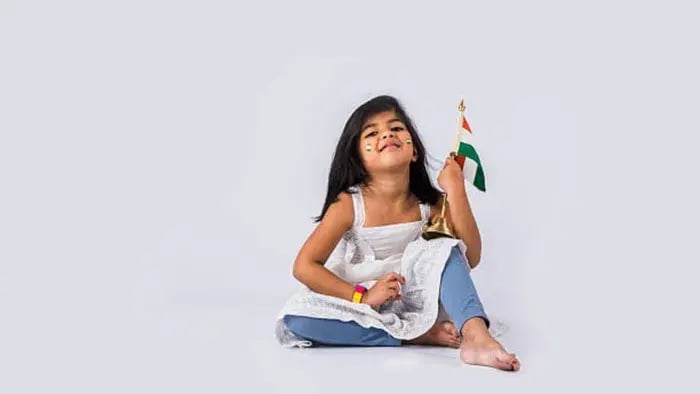
These dress ideas go beyond mere costumes. They offer boys a chance to express values like courage, peace, strength, and wisdom. Use this opportunity to have a short discussion with your child about each freedom fighter’s story, why they mattered and what they stood for. Even a few minutes of conversation while dressing up can leave a lasting impression, helping them appreciate the sacrifices made for the freedom they now enjoy. Keep it light, creative, and heartfelt, because that’s what true celebration is all about.
Frequently Asked Questions
How do I choose the character to dress up as?

Choose a character based on your child's age, interests, and comfort level. Historical figures, national leaders, community helpers, and inspirational personalities are excellent options for school events.
What are some popular themes for Independence Day fancy dress?
Popular independence day fancy dress ideas include Mahatma Gandhi, Bhagat Singh, Rani Lakshmibai, Subhas Chandra Bose, Jawaharlal Nehru, Dr B.R. Ambedkar, Sardar Vallabhbhai Patel, soldiers, and Bharat Mata.
What are some tips for preparing my child for Independence Day?
Keep the costume simple and comfortable, help your child practise a short speech, explain the importance of the character they are portraying, and encourage them to perform confidently while having fun.
Her love for storytelling began with reading her grandfather’s speeches, where Tarishi saw the power of words in creating lasting memories. Combining her passions for food and writing, she has turned her life into a fulfilling path of sharing stories that celebrate flavours and how food brings communities together.
The views expressed are that of the expert alone.
Popular Topics