




 Parenting Guide


 Child Health & Growth


 Learning & Skills Development


 Food & Nutrition


 Bournvita






Introduction

The best food sources of vitamin D go far beyond sunlight and a glass of milk. Vitamin D supports strong bones, healthy muscles, immunity, and calcium absorption, making it an essential nutrient for growing children. During exam seasons, monsoons, or long school days when sun exposure is limited, adding vitamin D-rich foods to daily meals becomes even more important. The good news is that there are several surprising vitamin D sources for kids that are easy to include in everyday diets. From eggs and fatty fish to UV-exposed mushrooms and dairy products, these foods help provide steady nutrition while adding variety to meals. Choosing a mix of these options can support healthy growth and reduce the risk of vitamin D deficiency throughout the year.
5 Everyday Foods That Carry Hidden Vitamin D
Vitamin D isn't found only in sunlight and milk. Many everyday foods also contribute to your child's vitamin D intake while providing other important nutrients that support healthy growth and development.
Eggs
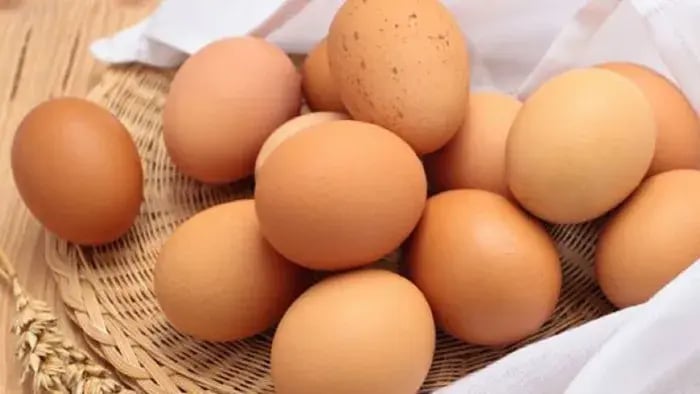
According to a study published in Nutrients (2019), egg yolks are a simple source of vitamin D and also provide protein, vitamin B12, and healthy fats. Pack a boiled egg in the lunchbox or serve scrambled eggs or a vegetable omelet for a nutritious meal.
Mushrooms
Research published in Nutrients (2018) shows that UV-exposed mushrooms are among the richest plant-based sources of vitamin D. Add them to stir-fries, curries, soups, or pulao to increase your child's vitamin D intake while also providing fibre and antioxidants.
Fatty Fish
According to research published in Journal of Steroid Biochemistry and Molecular Biology (2009), fatty fish such as salmon and rohu are excellent natural sources of vitamin D. They also supply omega-3 fatty acids that support brain development and memory. Serve grilled fish or mild fish curries two times a week for balanced nutrition.
Ghee
A study published in Journal of Ayurveda and Integrative Medicine (2024) highlights that ghee contains small amounts of fat-soluble vitamins and helps support their absorption. While ghee is not a major source of vitamin D compared to eggs or fish, using small amounts in rotis, rice, or dal can be part of a balanced diet.
Cheese
Research published in Molecules (2023) shows that cheeses such as cheddar and mozzarella provide calcium, protein, and modest amounts of vitamin D. Add cheese to parathas, sandwiches, wraps, or pasta in moderation to make meals both nutritious and appealing for children.
How to Rotate These Foods Through Your Child's Week
Including different vitamin D-rich foods throughout the week helps children enjoy a varied diet while meeting their nutritional needs. Instead of relying on one food source, aim to spread these options across different meals.
- Monday, Wednesday, Friday: Serve eggs for breakfast or lunch.
- Tuesday and Saturday: Include fatty fish like salmon or rohu for lunch or dinner.
- One or two dinners each week: Add UV-exposed mushrooms to curries, stir-fries, or pulao.
- Daily: Use small amounts of ghee while preparing rotis, dal, or rice.
- 2–3 times a week: Add cheese to sandwiches, parathas, wraps, or healthy snacks.
Conclusion

Vitamin D comes from much more than just milk and sunshine. Eggs, UV-exposed mushrooms, fatty fish, cheese, and even small amounts of ghee can all contribute to a balanced diet. Including these foods regularly helps support healthy bones, muscles, and immunity, ensuring children receive vitamin D throughout the year—even during seasons with limited sunlight.
Frequently Asked Questions
How often should fatty fish be included in a child's weekly diet?

Including fatty fish about 1–2 times a week provides vitamin D, omega-3 fats, and high-quality protein as part of a balanced diet.
Is ghee a reliable source of vitamin D compared to eggs or fish?
No. Ghee contains only small amounts of vitamin D. Eggs, fatty fish, and fortified foods are much richer sources of this nutrient.
Her love for storytelling began with reading her grandfather’s speeches, where Tarishi saw the power of words in creating lasting memories. Combining her passions for food and writing, she has turned her life into a fulfilling path of sharing stories that celebrate flavours and how food brings communities together.
The views expressed are that of the expert alone.
Popular Topics