




 Parenting Guide


 Child Health & Growth


 Learning & Skills Development


 Food & Nutrition


 Bournvita





Introduction
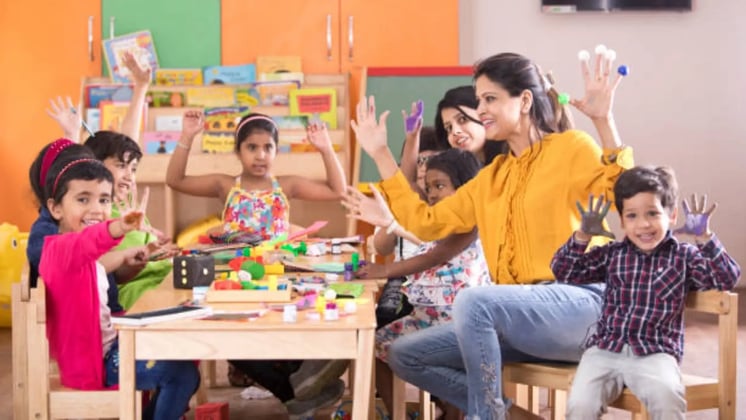
Kindergarten learning becomes more enjoyable when children can touch, move, build, sort, and create during activities. Young children often learn best through playful experiences that encourage curiosity and exploration instead of only sitting with books or worksheets. This is why many parents and teachers now focus on hands-on activities for kindergarten to support learning in a more creative and interactive way.
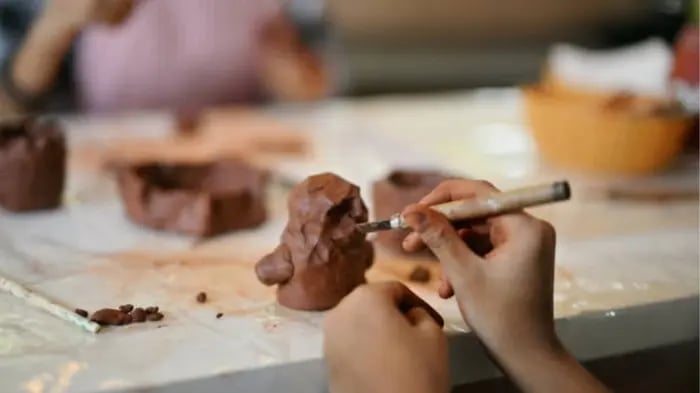
Simple activities such as building with blocks, sorting objects, tracing letters, or creating shapes with playdough can help children improve important early skills. These playful learning experiences may support fine motor development, hand-eye coordination, problem-solving, communication, and early literacy. Many children also feel more confident when learning happens through games, movement, and hands-on exploration.
Hands-on activities for kindergarten can also make children more interested in learning because they actively participate during the process. Activities like alphabet hunts, sensory games, storytelling, and painting may improve memory, concentration, and observation skills while keeping children engaged. Younger children often understand concepts more easily when they can physically interact with objects and materials during learning.
The best part is that these activities usually use simple household items and do not require expensive learning tools. Creative learning moments through play can help children feel excited about learning while building strong foundational skills for school readiness and everyday development.
6 Hands-On Activities To Boost Your Kindergarten Skills
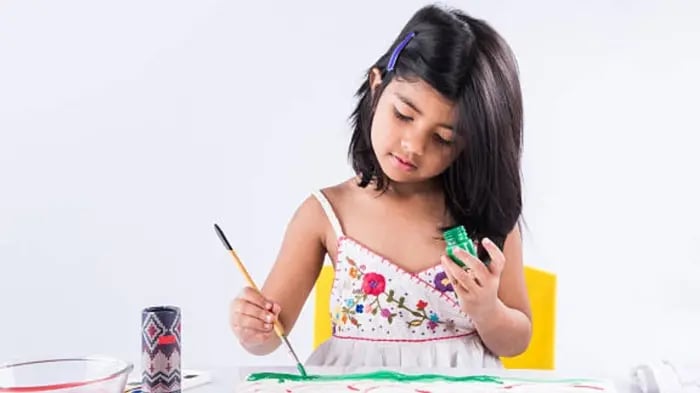
Hands-on kindergarten activities can support learning through movement, creativity, and playful exploration. These simple activities help children improve communication, problem-solving, coordination, and early academic skills while making learning feel enjoyable and interactive.
Playdough and Putty Exploration
Playdough and putty activities are among the most enjoyable hands-on activities for kindergarten because they improve hand strength and finger control while encouraging creativity. Children may squeeze, roll, flatten, stretch, or cut dough into shapes, letters, animals, or pretend food items. These actions support fine motor development, which is important for later writing and pencil grip. Adding cookie cutters, toy tools, or stamps may make the activity even more exciting. Playdough exploration also encourages imagination because children often create stories and designs during playtime. Soft textures and repetitive movements can help children feel calm and focused while learning through hands-on experiences.
Alphabet and Nature Scavenger Hunts
Scavenger hunts combine movement, observation, and learning in an exciting way. These hands-on kindergarten activities encourage children to search for hidden letter cards, colors, shapes, or natural objects such as leaves, flowers, and stones. Children may match letters with sounds or identify patterns during the activity. Outdoor hunts can also improve curiosity and observation skills by encouraging children to explore their surroundings more carefully. Parents or teachers may turn the activity into a simple game by asking children to collect objects beginning with certain letters. Active movement and playful searching often make literacy learning feel more fun and memorable for young children.
Sorting and Categorizing Games
Sorting games are useful hands-on activities for kindergarten because they improve logical thinking and observation skills. Children can sort buttons, colored blocks, toy animals, socks, or beads by color, size, shape, or texture. These simple activities help children understand patterns, grouping, and comparison. Sorting games may also improve concentration, as children need to carefully observe details before making decisions. Adding counting or matching activities can make the experience more educational and interactive. Younger children often enjoy touching and moving objects during learning rather than just looking at pictures in books.
Shape and Color Hunts
Shape and color hunts can make early learning more active and enjoyable. These hands-on activities for kindergarten encourage children to recognize shapes and colors in everyday surroundings. Parents or teachers may first read books about shapes and then ask children to find rectangles, circles, triangles, or squares around the room. Children may also identify colors in toys, clothes, or household objects. This activity improves observation, memory, and spatial awareness. Movement during learning also helps children stay active and interested for longer periods while improving understanding through real-life examples.
Fine Motor Tracing and Painting Activities
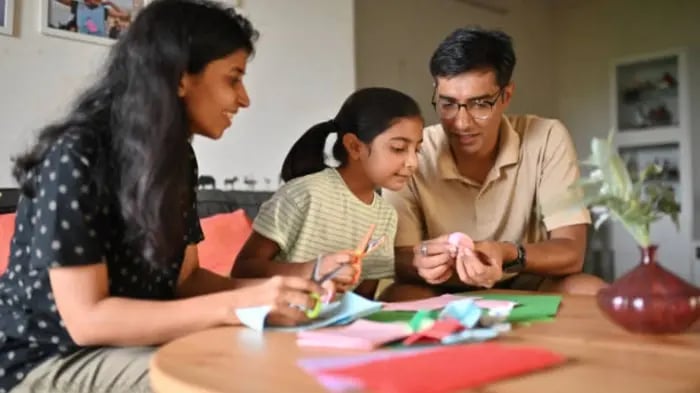
Tracing and painting activities help children improve hand control and coordination while expressing creativity. These hands-on kindergarten activities may include finger painting, coloring, tracing shapes, or drawing lines and patterns with crayons or paintbrushes. Such activities strengthen hand muscles needed for writing and improve focus at the same time. Children often enjoy experimenting with colors, textures, and patterns while creating artwork. Finger painting especially allows children to explore learning through touch and creativity together. Creative art activities may also help children feel more relaxed and confident during learning sessions.
Interactive Storytelling and Puppet Play
Storytelling and puppet play encourage communication, imagination, and emotional expression. These hands-on activities for kindergarten allow children to act out stories, create dialogues, or pretend to become different characters. Simple puppets made from socks, paper bags, or toys can make storytelling more interactive and exciting. Children often improve their speaking confidence and vocabulary while participating in role-play activities. Story-based learning also encourages listening skills, teamwork, and creativity. Pretend play may help children understand emotions and social situations more comfortably through playful storytelling experiences.
Conclusion
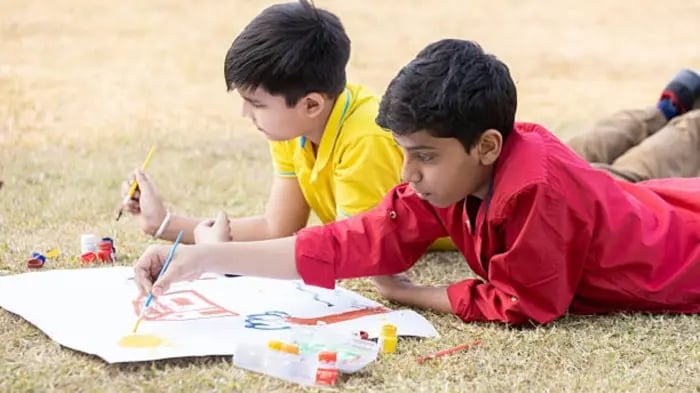
Hands-on activities for kindergarten can help children learn through movement, creativity, and playful exploration. Activities involving storytelling, painting, sorting, and scavenger hunts often make learning more exciting and meaningful. Small hands-on learning experiences can improve confidence, communication, coordination, and school readiness while helping children enjoy learning naturally every day.
Her love for storytelling began with reading her grandfather’s speeches, where Tarishi saw the power of words in creating lasting memories. Combining her passions for food and writing, she has turned her life into a fulfilling path of sharing stories that celebrate flavours and how food brings communities together.
The views expressed are that of the expert alone.
Popular Topics