



 Parenting Guide


 Child Health & Growth


 Learning & Skills Development


 Food & Nutrition


 Bournvita





Introduction
Fun facts can spark curiosity and help a child retain more information. Moreover, it's a rather unconventional yet fun way for parents to educate their children about things they don't know. Such facts encompass a wide range of subjects, including history, geography, political science, and many more.
These amazing facts for kids cover seven fascinating topics from science, history, and geography. Each fact comes with a simple explanation to help children understand what happened and why it is interesting. Parents and teachers can use them as conversation starters, reading activities, or quiz questions at home and in the classroom.
7 Amazing Facts
If your kids enjoy listening to surprising stories and discovering new information, these seven amazing fun facts for kids will be a great activity for them. Each of these facts has a short explanation and a reliable source for further reading.
1. Laika Was the First Animal to Orbit Earth
Fact:A dog named Laika became the first animal to orbit Earth in 1957. Laika traveled aboard Sputnik 2, a Soviet spacecraft launched on November 3, 1957. Her mission was an important milestone in the early space race, although the spacecraft was not designed to bring her safely back to Earth.
Why this fact is true:NASA confirms that Laika was the first animal to orbit Earth. However, she was not the first living creature sent into space. American scientists launched fruit flies on a suborbital flight in 1947, ten years before Laika's mission.
Source:NASA: The First Animal in Orbit
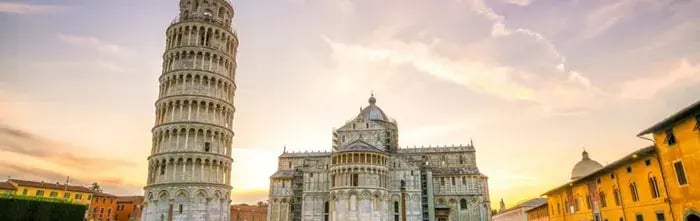
2. The Leaning Tower of Pisa Began Tilting During Construction
Fact:The Leaning Tower of Pisa started leaning before it was completed. The famous tower is located in Pisa, Italy, and was designed as a bell tower for the city's cathedral. Construction began in 1173, and the structure became known for its unusual tilt.
Why this fact is true:The tower's foundations rested on soft, unstable ground. The ground began to settle unevenly while the builders were still working on the structure, causing it to lean. So, the tower was not originally intended to stand at an angle; its tilt developed during construction.
Source:Pisa Tourism: The Leaning Tower
3. Ancient Egyptians Celebrated a New Year Called Wepet Renpet

Fact:Ancient Egyptians marked the beginning of a new year with an observance called Wepet Renpet, meaning “Opening of the Year.” Their calendar was closely connected to agriculture, the stars, and the Nile River, which provided water for farming. The annual flooding of the Nile was especially important to the civilization's food supply.
Why this fact is true: Historical evidence links the Egyptian New Year with the first visible appearance of Sirius, a bright star, and the expected arrival of the Nile's annual flood. However, the timing was not fixed to July throughout ancient Egyptian history. Their calendar gradually shifted against the seasons, so the relationship between the calendar date and the natural events changed over time.
Source: The Metropolitan Museum of Art: Telling Time in Ancient Egypt
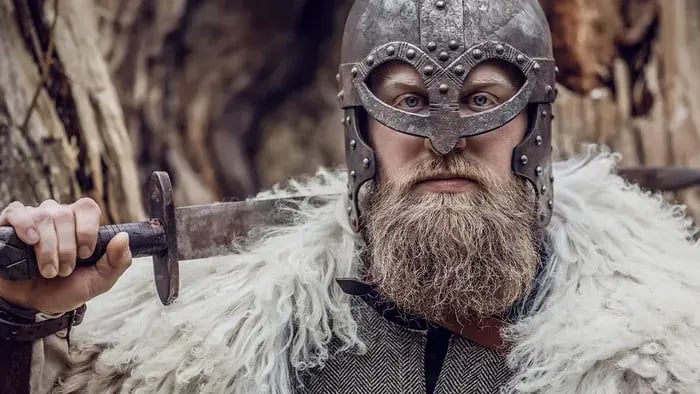
4. Vikings Paid Attention to Grooming
Fact:Archaeological discoveries show that Vikings used combs and other personal-care tools. Vikings are often remembered as warriors, sailors, and explorers. However, their everyday lives included personal grooming, too. They used combs to care for their hair and beards, and some archaeological finds include tweezers and tools used to clean the ears.
Why this fact is true:The National Museum of Denmark describes grooming tools discovered from the Viking Age. These objects show that personal appearance and hygiene mattered to at least some people in Viking society. They also remind us that historical communities were more varied than popular stories sometimes suggest.
Source: National Museum of Denmark: Hygiene and Beauty in the Viking Age
5. The Black Death Killed Millions of People During the Middle Ages
Fact: The Black Death was one of the deadliest disease outbreaks in European history. The plague spread across Europe during the 14th century and killed millions of people. It caused widespread suffering and changed many aspects of medieval society.
Why this fact is true: Plague is caused by the bacterium Yersinia pestis. Infected fleas, often associated with rodents, can transmit the bacteria to humans. However, it is inaccurate to say that rats alone caused all the deaths or to present a figure such as 75 million as a certain death toll. Estimates vary, and the disease's spread involved complex interactions among people, animals, fleas, and living conditions.
Source: Centers for Disease Control and Prevention: About Plague
6. Queen Elizabeth II Was Not Originally Expected to Become Queen
Fact:Queen Elizabeth II became heir to the British throne after her uncle, King Edward VIII, abdicated in 1936. Elizabeth was born in 1926 as the elder daughter of Prince Albert, who was not originally expected to become king. Her uncle Edward VIII gave up the throne in December 1936, and Elizabeth's father became King George VI.
Why this fact is true: The change in the line of succession made Elizabeth the heir presumptive, meaning she was next in line while her father was king. She became queen after George VI died on February 6, 1952. Her journey to the throne was shaped by an unexpected change in the British monarchy.
Source: The Royal Family: Queen Elizabeth II
7. Easter Island Is Home to Hundreds of Giant Stone Figures
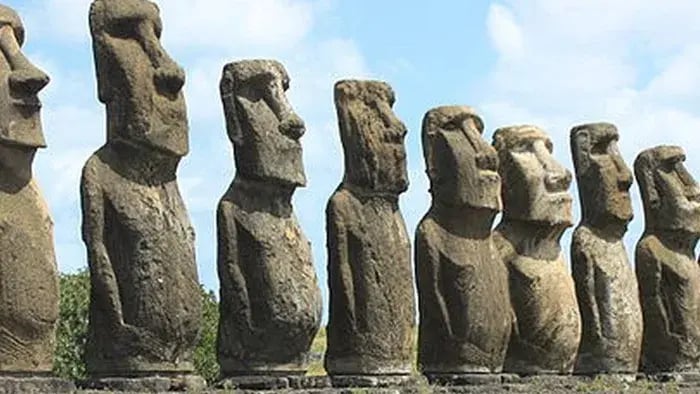
Fact:Easter Island, also known by its Indigenous name Rapa Nui, is famous for its enormous stone figures called moai. The island lies in the Pacific Ocean and is part of Chile. The moai were created by the island's Polynesian people and are an important part of Rapa Nui's cultural heritage. An inventory commonly cited in archaeological references records 887 statues.
Why this fact is true:UNESCO explains that the Rapa Nui people built monumental stone figures and ceremonial sites between the 10th and 16th centuries. Although the statues are sometimes called “heads,” they are full figures, many with torsos that extend to the thighs. Their size, craftsmanship, and cultural significance continue to interest researchers and visitors.
Source: UNESCO World Heritage Centre: Rapa Nui National Park
Conclusion
These amazing facts for kids show how fascinating the world can be, from early space missions and medieval history to ancient calendars and remarkable stone sculptures. Each story offers an opportunity to ask questions, check evidence, and learn something new. Children can revisit these facts, discuss them with family members, or look up the original sources to discover more.
Frequently Asked Questions
1. How can children check whether an amazing fact is true?

Children can compare information from trusted sources, such as NASA, museums, universities, government websites, and recognized historical organizations. Checking more than one reliable source can help them spot mistakes.
2. What makes a source reliable for historical or scientific facts?
Reliable sources explain where their information comes from and use evidence, research, or historical records. Museums and scientific organizations are useful starting points, while unsupported social media posts should be checked carefully.
3. Which of these amazing fun facts for kids is the most interesting?
That depends on the child. Some may enjoy learning about Laika's space mission, while others may prefer the Leaning Tower of Pisa or the mysterious moai of Easter Island. Asking children to choose a favorite can lead to further questions and learning.
The views expressed are that of the expert alone.