




 Parenting Guide


 Child Health & Growth


 Learning & Skills Development


 Food & Nutrition


 Bournvita





Introduction
More than 70% of the Earth’s surface is covered with water, but only 3% is fresh water and drinkable. That tiny percentage, under 1%, is what is easily accessible to humans to use on a daily basis and survive. The disparity between the availability of water and the needs of humans is staggering.
Conservation is an urgent and non-negotiable priority. It is essential that children learn to conserve water at home before they encounter the concept in a classroom or textbook. A 2021 UNICEF global water report says that in water-scarce regions, children spend an average of six hours a day collecting water for their families instead of going to school. This makes teaching water conservation strategies to children living in water-secure households a real privilege and a genuine act of global responsibility toward others.
Kids are natural champions for the environment when provided the right information, tools, and encouragement by trusted adults. Practical daily routines make children into environmental stewards who carry these principles into adulthood through deworming. Groundwater levels in India are falling at an alarming rate everywhere, largely because of overuse, poor infrastructure, and climate change. Thus, by teaching their children the importance of water conservation, parents are protecting not just their family's supply of water but also the resources of the entire world.
7 Easy and Practical Ways to Save Water for Kids to Learn Environmental Responsibility
1. Turn Off the Tap While Soaping Hands and Brushing Teeth
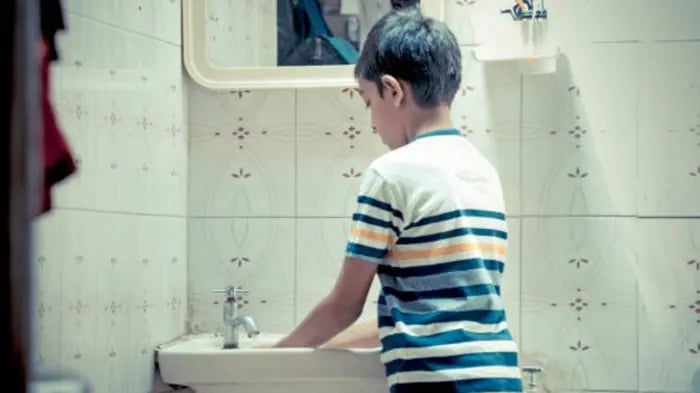
It is estimated that leaving a tap running while washing hands or brushing teeth wastes six liters of clean water every minute. Rather than any deliberate or conscious intention, the majority of children leave taps running out of habit. Teaching this one change to them is one of the easiest and most effective ways for kids in any household to conserve water. A visible daily reminder: Place a waterproof, brightly colored reminder sticker at your child's eye level directly next to the bathroom faucet.
2. Use a Mug Instead of Running Water for Rinsing Dishes
At home, children who help with the dishwashing frequently let the taps run for long periods. One of the most immediate and effective ways for kids to save water in the kitchen is to use a filled mug or small basin for rinsing. Have your child fill a small basin with clean rinse water before rinsing begins, and use only that water during the rinsing process. Make this a specific and assigned kitchen responsibility for older children, nine years of age or older, to own and manage independently.
3. Water Plants Using a Watering Can Instead of a Running Hose
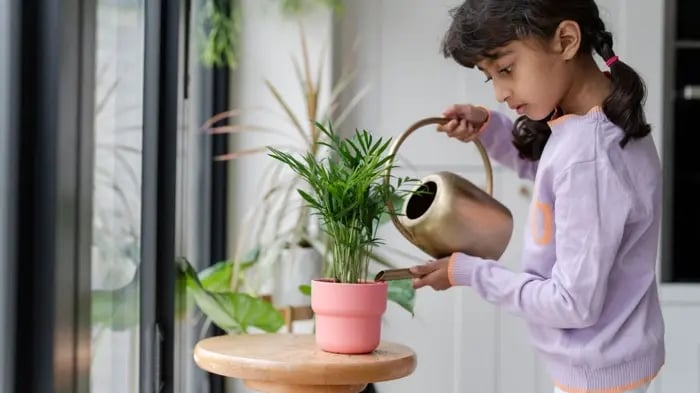
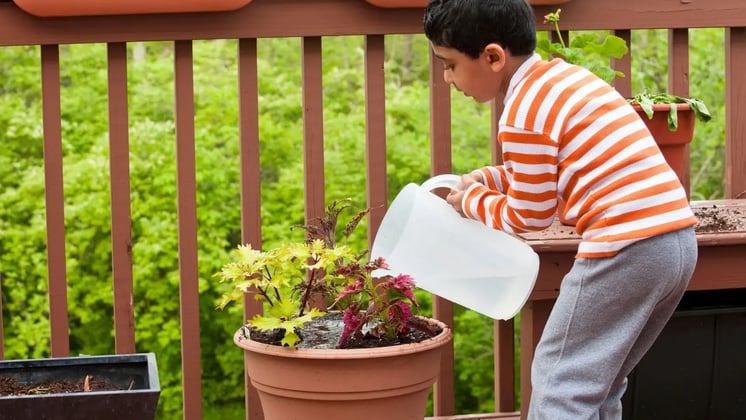
Outdoor watering with a garden hose or pipe flowing can disgorge hundreds of liters of water in a few minutes of use. The most practical way to save water for children helping out in the home garden is to switch to a watering can with a measured fill. Let your child have a part of your home garden to take care of. Give them a small watering can with their name on it and let them water their part of the garden every day. Make them water the base of each plant and not spray water all over the leaves. Water on the surface evaporates quickly and is a waste.
4. Reuse Cooled Cooking Water for Watering Indoor Plants
Most families throw away the water used to boil vegetables, pasta or eggs without realizing its true value to the growth of plants. The best source of plant food is the cooking water, of course cooled, as it contains dissolved minerals. It is an exceptional source of plant food and is absolutely free. This habit of reusing is one of the most innovative and rewarding ways children can save water at home. Keep a pot or container in the kitchen for collecting water after cooking, which can be used for watering indoor plants.
5. Fix Dripping Taps Immediately and Teach Children to Report Leaks
Every month, a single dripping tap can waste between 3,000 and 5,000 liters of clean water without anyone in the household noticing. One of the most important ways parents can teach their children to conserve water is to have them watch, report, and take dripping faucets seriously. Walk through your home with your child and jointly identify any water fixtures, pipes, or taps that are dripping or leaking, regardless of the slightness. Put an exact and precise figure on the amount of water that is wasted by a single dripping tap in a week of unattended leaking.
6. Take Shorter Showers Using a Three-Minute Sand Timer
Showers are the largest contributor to the daily household water use in urban households in India irrespective of income. A standard shower at full pressure uses between 8 and 15 liters of water for every minute it is on. For parents, one of the most quantifiable and immediately impactful methods of saving water for their kids is timed showers. Purchase a waterproof, colorful, and enjoyable three-minute sand timer for your child and establish a daily challenge to shower thoroughly before the sand runs out. Celebrate and praise each successful timed shower enthusiastically.
7. Collect and Use Rainwater for Outdoor Cleaning and Garden Use
India receives plentiful monsoon rainfall each year, but most of it flows into drains, gutters, and streets that are left unused. Teaching children to harvest rainwater is one of the most culturally resonant and practically effective ways of conserving water in any Indian household. At the start of each monsoon season, set up a large, clean barrel or bucket with your child under a roof drainpipe. Assign your child the specific responsibility of monitoring the barrel and using the collected rainwater to clean outdoor surfaces, wash scooters, or care for outdoor plants.
Conclusion
Once it is truly depleted, water is the only resource that cannot be replaced, manufactured, or substituted. The water conservation practices taught to children in the home today influence the conservation instincts of tomorrow’s adults and decision-makers. In the grand scheme of things, every bucket a kid uses again, every tap turned off, and every drip saved makes a difference. Select two habits from this list and commit to practicing them as a family for the next thirty days. Water conservation tips for kids that begin at home will naturally carry over to schools, communities, and the global community.
Smriti is a content writer who creates clear, practical, and informative content backed by science and relevant data. With a strong understanding of structured writing, she breaks down complex topics into simple, actionable insights. Her work is focused on helping readers prepare, learn, and grow with confidence and clarity.
The views expressed are that of the expert alone.
Popular Topics