



 Parenting Guide


 Child Health & Growth


 Learning & Skills Development


 Food & Nutrition


 Bournvita




Introduction
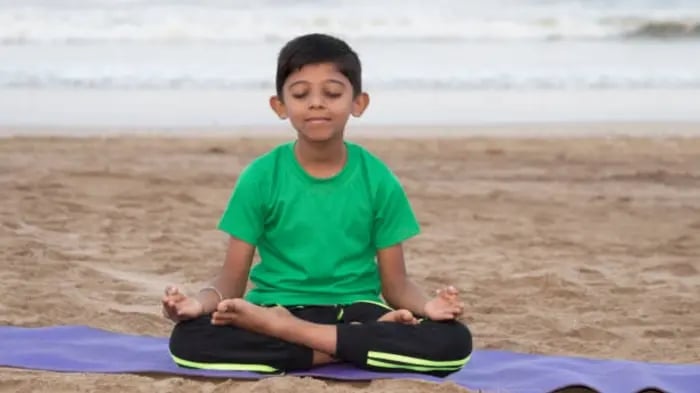
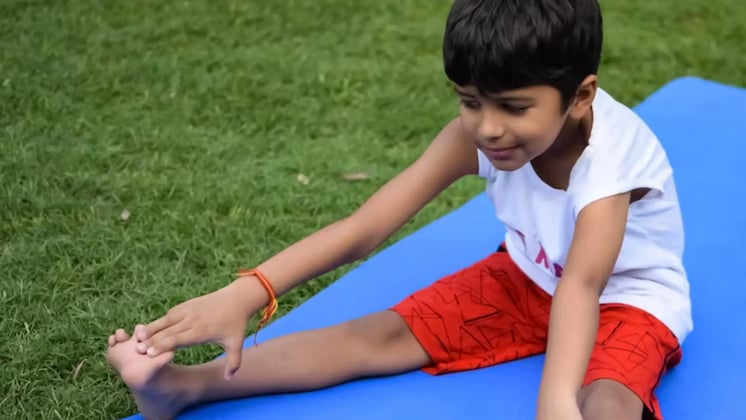
Strength is not always about lifting heavy weights, but sometimes it is just about finding the right balance. Your exercises aren't limited to dumbbells and treadmills. Rather, all you need is a yoga mind, your body, and the presence of mind. Whether you are aiming for steady arms and legs or better stamina, yoga has got you covered.
With every stretch and holding the posture, you will notice an increase in your body's endurance. Yoga also helps in managing stress better. With only a few easy movements and concentrated breathing, yoga begins to work right away. It builds strength without brutal impact, so your joints are happier and your body is stronger. It dissolves stress, trading that frantic, worried state for peace and concentration, as if you're hitting the reset button on your brain. You'll stand taller, sleep more soundly, and get through your day with more energy and confidence. Not about being perfect, just better.
What Is Core Strength and Why Does It Matter?
Not Just Abs
When people talk about core strength, they usually mean the muscles you can see in your midriff, but in fact it refers to all the muscles around your abdomen, lower back and hips.
Supporting Statements
A strong core helps you sit, stand, and move with good posture and less strain on your back from weak supporting muscles.
Improving Balance
Core muscles are key to maintaining balance, helping stabilize the body during activities like walking on uneven terrain or standing on one leg.
7 Essential Yoga Poses for Beginners to Build Strength
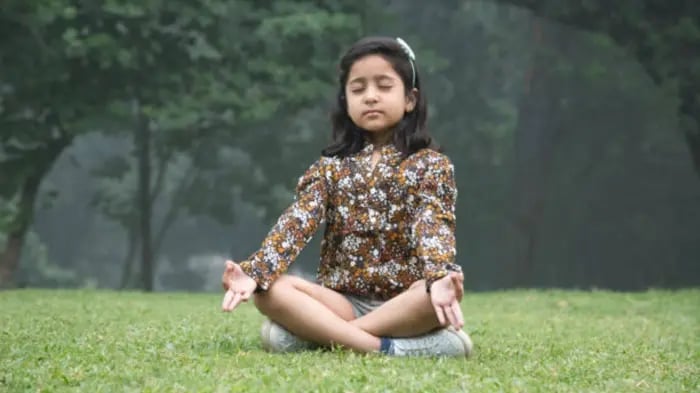
The best part about yoga is that it is beginner-friendly friendly doesn't require any equipment to begin with. These 7 essential yoga poses for beginners are the foundation for better strength, stamina, and confidence.
Plank pose (Phalakasana)
The pose requires keeping your body straight from head to heels to engage your core muscles. Now, hold the pose for 20-30 seconds and slowly increase the time as your body can take it.This yoga targets the core, arms, legs, and shoulders. It starts in a push-up position with your wrist aligned under your shoulder. According to a study published in Top Geriatr Rehabil. 2015, daily yoga raised bone mineral density. One difficulty as a beginner you might face is sagging of the hips, but make sure, for those few seconds, you engage your abdomen to maintain the stability in the posture.
Downward-facing dog pose (Adho Mukh Svanasana)
The correct way to do this is to form a plank at first, lift your hips a bit up and back to form an inverted ‘V’. Firmly place your hands on the mat, and keep pushing your heels toward the floor. Don't judge a book by its cover! This asana implies that. Beginners often lean too far forward, making it look like a plank. Research published in Int J Yoga. 2011 suggests the therapeutic importance of yoga for both brain and bone. Yoga gives a profound sense of mental clarity, relaxation of the mind, and increases body awareness.
Mountain pose (Tadasana)
Stand straight with your feet grounded, spine lengthened, shoulders relaxed, and arms by your sides. Engage your core, distribute your weight evenly, and hold the position while breathing steadily. This is one of the foundations for standing yoga. Though it may look extremely easy to begin with but this yoga strengthens your posture stability from head to toe. It is essential to make your body learn about correct posture, such as aligning your spine straight and engaging every muscle correctly. Research published in the Int J Yoga. 2023 states that it enhances focus and balance and improves body awareness. Every person's body is different, so focus on rooting down with your feet and lengthening your spine.
Warrior I (Virabhadrasana I)
Step your feet wide apart; they should be parallel to the front of your mat. Distribute your weight equally; don't put all the weight in one foot. A foundational yoga pose that builds focus of both the lower and upper body while improving focus. This yoga pose targets your hips, core muscles, legs, and your mind. Just like its name, this posture symbolizes strength, focus, and courage. Practicing this asana regularly improves concentration, power, and stamina.
Boat pose (Navasana)
This yoga helps build abdominal strength. It is simple: sit with your knees bent a little, lean back a bit, and now lift your feet so your shins are parallel to the floor. Move your arms forward, and if possible, try to straighten your legs. This posture is best for improvising on balance and building your core strength. While doing the posture, multiple muscles get involved, especially the hip flexors, lower back, and abs. Research published in J Ayurveda Integr Med. 2023 suggests the improvement in flexibility and strength through yoga asanas.
Garland pose (Malasana)
Malasana is a deep squat, very beginner-friendly, and it strengthens the lower body while grounding the mind. This posture opens the hips, increases flexibility in the thighs, and strengthens the ankles. For beginners, it is an excellent way to remove stress and improve digestion. Avoid rounding your back. Research published by Neha Gothe states that this yoga posture helps in stretching and strengthening your body. Practicing Malasana every day results in stronger calves, legs, and arm strength.
Bridge pose (Setu Bandhasana)
Lie on your back, with your knees bent, and feet flat on the mat. Now, steadily lift your hips upward while grounding your shoulders and feet to the mat. This posture is essential for your overall body improvement. This posture opens the chest and improves flexibility. True to its name, this asana means to form a bridge between the upper and lower parts of the body. It symbolizes connection. Research published in Brain Plast. 2019 shows the helpfulness of yoga to stimulate the nervous and endocrine systems of the body, and its effect on brain health.
10-Minute Yoga Routine for Core Strength
Warm-up (2 min)
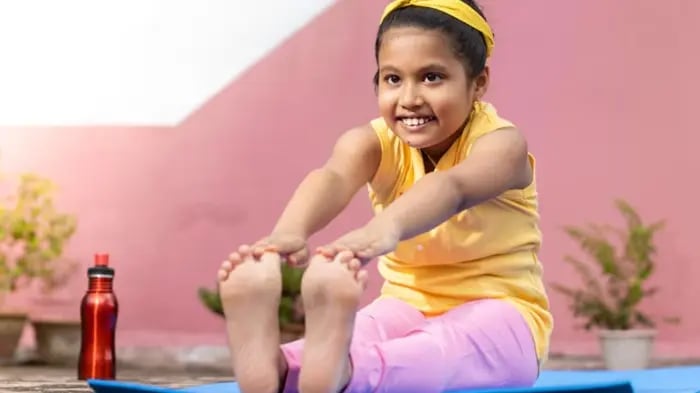
Start with gentle movements such as cat-cow to heat up the spine and core muscles before moving into more active poses.
Stability while standing (2 min)
Holding Mountain pose with engaged abdominal muscles builds the basic stability and body awareness that support later poses.
Plank (2 minutes)
Holding a modified or full plank for short intervals with rest in between directly engages the core, shoulders and legs.
Boat Pose Core Hold (2 min)
Works the abdominal muscles directly, and with repeated practice builds core endurance. Boat pose (even a bent-knee variation)
Recovery period (2 minutes)
After the more active holds, finish with a gentle stretch such as Child’s Pose to release tension in the back and core muscles.
Common Core Yoga Mistakes
Breath Holding
For example, many beginners don’t realize they are holding their breath during plank or boat pose, which creates tension rather than engaging a stable core.
Drop your hips
When you are in the plank position, if you let your hips sink toward the floor, you put stress on your lower back rather than using your core muscles properly.
Straining Your Neck
They often tense or crane their necks in core-focused poses, which is an unnecessary strain and doesn't support proper form.
Safety Tips for Beginners
Stay in the Pain-Free Zone
Mild muscle fatigue is normal during core work, but sharp or joint pain means it’s time to ease out of a pose immediately.
Rest Between Sets
Taking a few breaks between core-focused poses allows the muscles a little time to recover and helps you hold better form in the next hold, rather than pushing through fatigue.
Use Props for Help
Blocks or cushions can modify poses to make them more accessible for beginners, reducing strain while still gradually building strength.
Conclusion
As a beginner in yoga, remember that progress is not limited to perfection in your posture but rather to consistency. Every breath, every holding a pose, and mindfulness takes you closer to a stronger version of yourself. The beauty of yoga lies in strength and connecting with the mind at ease. So roll out your yoga mat, practice yoga consistently, and practice breathing regularly. With regular yoga practice, you will figure out that true strength doesn't lie in muscles, but also radiates inner calm within your mind, balance, and confidence. The journey to self-growth starts with one pose at a time.
Frequently Asked Questions
What are the best yoga options for beginners?

Mountain pose, modified plank, and cat-cow stretch are some of the most beginner-friendly core-centric poses for new practitioners.
How often should children practice yoga?
Children can do gentle, age-appropriate yoga a few times a week, emphasizing fun and movement rather than intensity or duration.
What safety tips should parents follow when engaging in yoga with kids?
Parents should make sure poses are within a pain-free range, look for proper form, and talk to a doctor if a child has any injuries.
How can parents choose an age-appropriate option for yoga practice?
Younger children do well with shorter, playful sequences of simple poses, and older children can gradually work into slightly longer or more structured routines.
Smriti is a content writer who creates clear, practical, and informative content backed by science and relevant data. With a strong understanding of structured writing, she breaks down complex topics into simple, actionable insights. Her work is focused on helping readers prepare, learn, and grow with confidence and clarity.
The views expressed are that of the expert alone.