
 Parenting Guide


 Child Health & Growth


 Learning & Skills Development


 Food & Nutrition


 Bournvita





Introduction
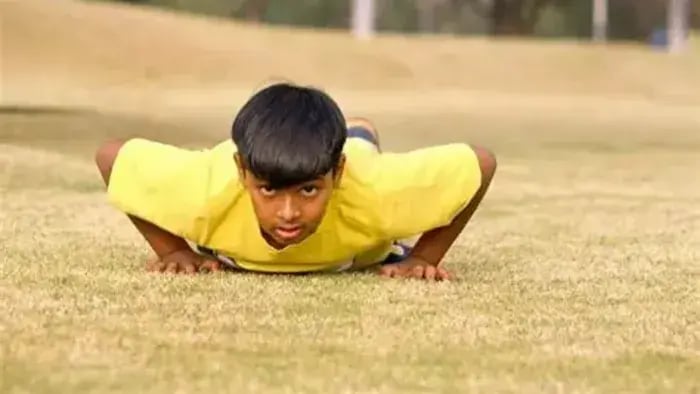
When kids are moving just to have fun, not because they’re being made to do it, getting them to be active doesn’t have to be a battle. A lot of parents looking for exercises for kids to lose weight are actually looking for something more sustainable: ways to help their child build real energy, strength, and confidence through movement, not a rigid workout plan built around a number on a scale. In fact, current pediatric guidelines suggest not discussing exercise as a matter of weight for children, as it can inadvertently lead to poor body image or disordered eating later on.
Regular workouts are a great way to keep one's body in shape and promote agility. As per NIH, such workouts can be especially beneficial for kids to promote better strength and endurance and enhance immunity. The right kind of exercise supported with a healthy diet can be a beneficial combination for children.
Most importantly, exercise can be a great way to promote weight management. This may help in avoiding obesity and many other chronic problems like cardiovascular disorders. Interestingly, kids do not have to indulge in rigorous workouts to lose weight. Parents may help their kids exercise at home with minimal or no equipment at all.
Can Exercise Help Kids Maintain a Healthy Weight?
Regular exercise helps children maintain a healthy weight while building strength, improving fitness, supporting healthy growth, and making physical activity a fun part of everyday life.
Build Healthy Movement Habits
Building healthy habits among kids, such as making them exercise regularly can be beneficial in the long run. Having a regular exercise routine may also make your child more disciplined. Here are some easy and effective exercises that can be done at home.
Crab Walks and Toe Touches
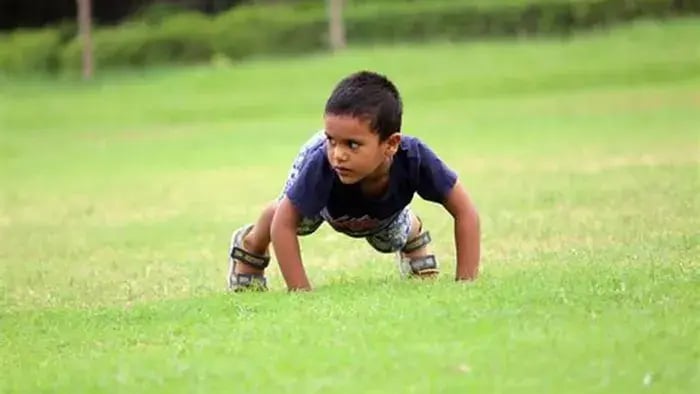
For this exercise, the child will have to sit on the floor with a bent knee position. The palms would be positioned behind the hips and the feet should be flat on the floor. Parents can ensure that the child is in the perfect starting position. The child may then continue by straightening their left leg as they reach for the left toe using the right hand. The process needs to be repeated with the left arm and right leg. As per ResearchGate, crab walking along with two touches can help burn extra calories.
Push Ups and Sit Ups
Push-ups and sit-ups are one of the most popular exercises as they can tone the muscles as well as help with weight loss. This is an exercise that targets the chest, shoulders, and abdominal muscles. If a child wants to work on their upper body and core, they may practise regular push-ups. As per the JAMA Network published in 2019, push-ups and sit-ups may also help in strengthening glute muscles.
Mountain Climbers
For this exercise, the child has to position themselves in a push-up pose. The arms need to be on the floor and one foot has to come forward till the child's armpit. Now this can be extended backwards. For another person, the exercise should look like a person trying to crawl while being stationary. As per the Iranian Journal of Public Health, 2018 mountain climbing is a great fat-burning exercise that also promotes agility.
Squats and Lunges
Squatting requires a proper technique. One has to start by putting their feet apart shoulder- width. After doing so, one has to strike a proper balance and a perfect position by putting a deep knee bend while spreading one's arms open. For lunges, one can simply take a step forward and let their back knee touch the floor. While doing so, one needs to ensure that the front knee is properly aligned with the toes and doesn't extend forward. As per NIH, published in 2022, both these exercises can be especially beneficial in building lower-body strength.
Flutter Kicks
Flutter kicks are an exercise that targets the abs muscles of the body. One can start by lying on their back and keeping their abs tight. Now one needs to raise their feet off the floor and do some flutter kicks in the air. It is a fun exercise that can also be made more interesting by incorporating some toys like a ball or a hula hoop. Parents can also accompany kids while doing this exercise.
Bench Step-ups
Bench step-ups would require parents to arrange for a bench that can reach up to the knee level of their child. The kid has to start by stepping their right foot on the bench, followed by their left foot. After standing on the bench for a second, the kid will have to get back on the floor by putting back their right leg and then their left leg. The step needs to be repeated. To make this more interesting, parents can play some fun songs in the background. However, it's also critical to ensure your child's safety.
Running
Running is one of the simplest forms of exercise that burns a lot of calories and promotes fitness. The best part is, it doesn't require any kind of mats or supportive accessories. Kids can do running practice at home if there is some open space available. If not, parents may take their children to nearby parks or playing grounds. It's important to stay hydrated while running as it may prevent dehydration or fatigue.
Sample 20-Minute Kids Activity Routine
Warm-Up (3 Min)
Start with lighter activity such as marching in place, arm circles, or slow jumping jacks to gradually increase heart rate and warm up muscles for more active play.
Cardio Interval for Fun (5 min)
Kids are naturally active when their hearts are pumping from games such as tag, jumping rope, or dancing to music that feels more like play than a structured exercise.
Strength-building play (5 min)
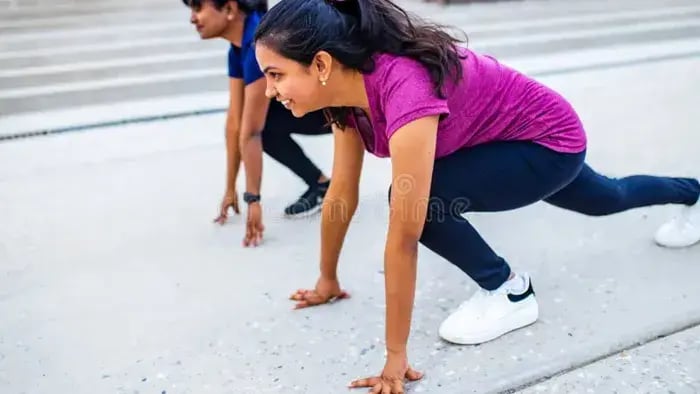
Simple bodyweight games, like animal walks (bear crawls, crab walks) or a small obstacle course that includes climbing and jumping, build strength and require no equipment.
Balance and Coordination Break (4 mins)
Hopping on one foot and walking a taped line, or simple balance games, give the body a break from cardio while still building useful skills.
Cool down (3 min)
End with slow walking and gentle stretching, each held for 15-20 seconds, to help the body wind down and minimize muscle stiffness afterward.
Safety Tips Before Kids Start Exercising
Choose the Right Shoes
Worn-out shoes should be replaced regularly as a child grows, and athletic shoes with good grip that fit properly reduce the risk of slipping or ankle injuries during running or jumping activities.
Ensure Adequate Space
Provide clear, unobstructed space, indoors or outdoors, to prevent collisions or falls, especially during running or rapid changes in movement.
Hydration
It is important to give water before, during, and after activity to help prevent dehydration, especially in warmer weather or longer playtimes.
Encourage Healthy Habits Without Weight Stigma
Turn Movement into a Family Activity
A family walk, a bike ride, or a weekend sport gives the family time to be active together without focusing on any one child’s weight or body as the reason for being active.
Let the Kids Pick Activities
No matter what the “right” exercise is, kids who have a say in the sports or games they take part in are more likely to stay with an activity over the long haul because they’re more likely to enjoy it.
Don’t praise appearance; praise effort and skill
When you praise a child for improved balance, effort, or teamwork, you are reinforcing positive habits without linking physical activity to how their body looks.
Conclusion
These are some of the easiest exercises that kids can do at home to lose weight. Remember that weight loss can happen healthily. By doing these simple workouts at home, followed by a good diet, kids may see some significant results.
Frequently Asked Questions
What exercises are safe for kids?

Most children can safely do things like running, skipping rope, swimming, and simple bodyweight games, especially if they start slowly and are properly supervised.
How much activity do children need?
Most guidelines recommend that children get at least 60 minutes of moderate to vigorous physical activity daily, which can be spread across several shorter bouts.
Should children follow weight-loss workouts?
No. Pediatric guidance focuses on fitness and fun, rather than exercise routines for children specifically targeting weight loss. The goal is to support healthy habits and body image.
When should parents speak with a pediatrician?
Parents should see a pediatrician if they notice rapid weight changes, or low energy or an aversion to physical activity that seems related to body image issues.
Smriti is a content writer who creates clear, practical, and informative content backed by science and relevant data. With a strong understanding of structured writing, she breaks down complex topics into simple, actionable insights. Her work is focused on helping readers prepare, learn, and grow with confidence and clarity.
The views expressed are that of the expert alone.