



 Parenting Guide


 Child Health & Growth


 Learning & Skills Development


 Food & Nutrition


 Bournvita





Introduction
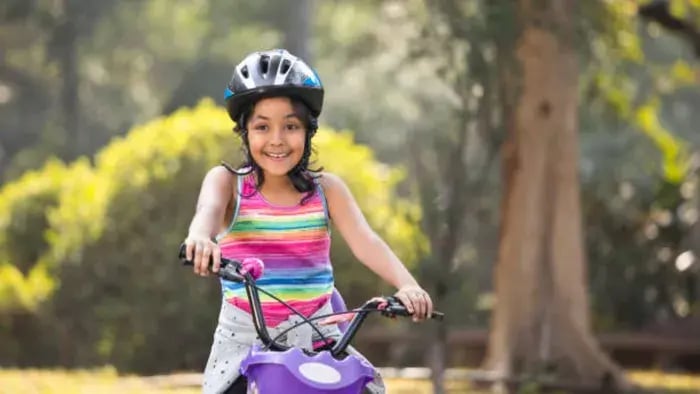
Cycling has a unique way of blending health, fun, and togetherness for people of all ages. From the joy of a child riding their first bike to an adult enjoying the calm of a weekend trail, it remains one of the simplest yet most rewarding activities. Every turn of the pedal builds strength, boosts energy, and clears the mind.
For kids, riding a bike opens doors to independence while improving balance, coordination, and outdoor activity. Teenagers benefit from the stamina, muscle strength, and mental freshness it provides during their demanding school years. Adults find it to be a low-impact exercise that supports heart health and eases daily stress, while still being gentle on the joints.
Why Cycling Is Good for Children
Cycling is beneficial to children since it involves physical activity, balance, coordination, being outdoors, and confidence-building. Cycling also offers a good opportunity to practice movement skills in a relaxed environment without forcing physical activity on them. Cycling also gives children a chance to spend time with parents, siblings, and friends. Physical activities, pedaling, steering, and stopping entail movement skills, while outdoor biking makes physical activity fun and less formal.
9 Reasons How Cycling Enriches Life at Every Stage
A cycle ride may look simple, but the benefits it brings can last a lifetime. From physical strength to mental clarity, cycling has something to offer everyone—children learning balance, teens building stamina, and adults maintaining long-term health. What makes it truly special is that it adapts to all ages, providing joy and wellness without complicated routines or expensive equipment.
Builds Strong Muscles and Bones
For children, the pedaling action helps develop leg muscles and coordination. According to a study published in Front Sports Act Living. 2023, teens benefit from improved stamina and endurance during growth years, while adults use it as a low-impact way to maintain overall wellness. Unlike high-strain workouts, cycling strengthens the body without unnecessary stress.
Improves Heart Health
Cycling increases blood circulation, lowers bad cholesterol, and improves oxygen supply to the body. According to the WHO, cycling is a cardiovascular exercise that supports heart health from an early age. For adults, it helps reduce the risk of heart-related conditions, while for kids and teens, it builds a strong foundation for lifelong heart wellness.
Boosts Mental Well-Being
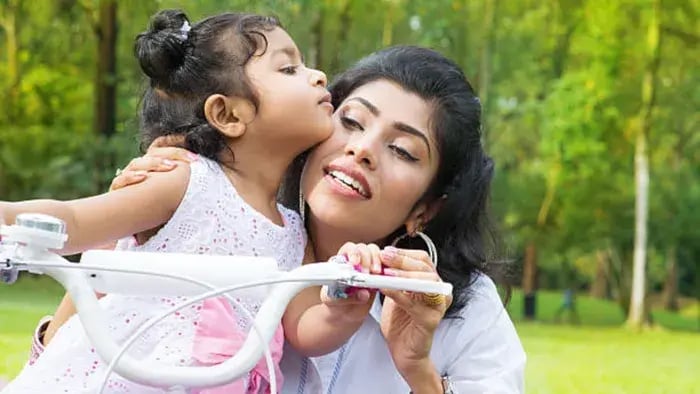
Children become more alert and focused, teens handle academic pressure better, and adults experience relief from daily stress. A study conducted by the WHO highlights that cycling releases endorphins, the body’s natural mood enhancers, which reduce stress and anxiety. Cycling outdoors also provides a mental break, making it both refreshing and therapeutic.
Encourages Independence and Confidence
Research done by the WHO shows that for kids, learning to cycle is a milestone that builds self-confidence. Teens gain a sense of freedom and responsibility as they manage routes and safety. Adults, too, rediscover confidence in physical activity without feeling burdened by intensity. Cycling develops independence, health, and positivity.
Supports Healthy Weight Management
According to a study published in Can Fam Physician. In 2021, children stay active without it feeling like a chore, teens manage their energy balance during growth, and adults can maintain or reduce their weight effectively. Because cycling is fun, it encourages consistency, making it a natural way to keep weight in check across all ages.
Strengthens Immunity
For children, it reduces frequent illnesses; for teens, it supports resilience during demanding school schedules; and for adults, it lowers the risk of chronic health issues. A study published in Scand J Med Sci Sports in 2011 shows that cycling promotes better circulation, lung function, and metabolism, all of which strengthen the immune system.
Enhances Social Connections
Kids learn teamwork, teens build friendships, and adults find shared time with loved ones. These connections support emotional well-being and make exercise enjoyable rather than routine. According to the National Organ and Tissue Transplant Organization (NOTTO), group rides, family outings, or even friendly competitions turn cycling into a social activity.
Promotes Eco-Friendly Living
Teaching children and teens to cycle for short distances instills eco-friendly habits early. For adults, it becomes a small but impactful way to contribute to the environment while staying fit. According to the Indian Council of Medical Research, cycling reduces dependence on vehicles, lowering pollution and saving fuel.
Builds Lifelong Discipline and Routine
Whether it’s a morning ride, cycling to school, or weekend fitness, according to a study done by Front Sports Act Living. 2023, this activity naturally builds discipline. Kids learn consistency, teens learn time management, and adults develop a sense of routine that supports both physical and mental health.
Cycling Safety Tips for Kids
A properly fitted helmet, a right-size bicycle, proper dress, safe routes, and adult supervision are some of the important aspects of ensuring safe cycling with children. Check your bicycle every time before you go for a ride. Ensure that the child can handle the bicycle easily.
Use these simple safety checks:
Always wear a helmet meant for cycling. The helmet must be properly fitted and level, cover the forehead, and have a snug chin strap.
Ensure that the bicycle is the appropriate size for the child; he/she must be able to place both feet on the ground when seated.
Select bright or reflective clothing in order to increase visibility.
Young children should ride under adult supervision and away from traffic.
Choose safe routes starting with the quieter ones first.
Educate children on how to stop at intersections, obey traffic signs, stay on the same side as the traffic, and signal when turning.
Put on securely fitting and closed shoes.
How to Help a Child Start Cycling
Develop control and balance skills before going for a ride. Start with short sessions of practice in order to develop confidence.
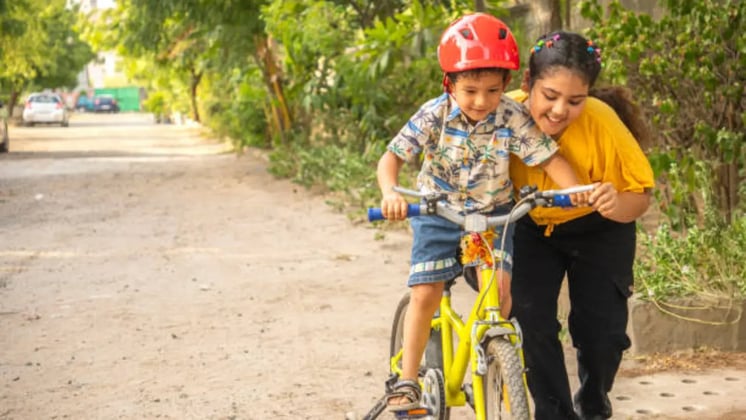
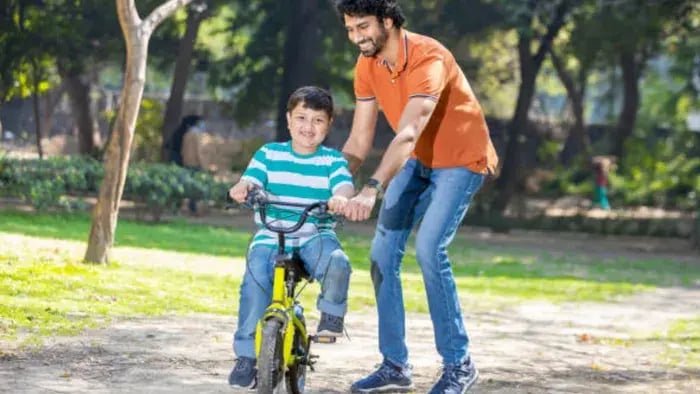
Start in a safe location that is flat, open, and away from any traffic. Allow the child to practice sitting on the bicycle, balancing, and stopping using their feet. Balance bikes or pedal bicycles with support allow children to develop control skills.
After practicing, continue with gentle starts and braking. Once they have mastered this, move to practicing wide turns, looking ahead, and steering. Once mastered, teach them hand signals and how to check surroundings before making turns.
Continue to locations only if the child can control the bicycle and understand safety rules. Adult supervision is important.
Conclusion
Cycling is an investment in health, happiness, and resilience. It builds strong muscles, protects the heart, sharpens focus, and even strengthens social bonds. For kids, it lays the foundation of fitness; for teens, it supports growth and independence; and for adults, it preserves vitality and balance. A cycle may be simple, but its benefits travel with you through every stage of life, making it one of the most valuable habits you can embrace.
Frequently Asked Questions
What are the main benefits of cycling for kids?

It promotes physical activity, balance, coordination, and confidence. Also gives children the opportunity to go out. Riding with family can help to build social ties.
At what age can children start cycling?
Children can begin biking when they exhibit interest and readiness for balance, steering, and braking. According to AAP guidelines, most children are ready for a two-wheeler around age five or six.
How long should kids cycle?
This is dependent on individual circumstances, and there is no specific amount of time for all children. However, cycling can be used to achieve the recommended 60 minutes of daily physical activity.
What safety gear does a child need?
A properly fitted bicycle helmet is a must, but properly fitting shoes can make children more visible. Young children should also have adult supervision.
Deepali is a senior food and wellness writer with over a decade of experience in top media houses, crafting engaging narratives. She is a professional home baker and loves exploring food from every corner of the world to reading cookbooks. She believes a healthy lifestyle is a combination of both mental and physical fitness. Her goal always remains to keep moving, eating seasonal and practicing gratitude.
The views expressed are that of the expert alone.