



 Parenting Guide


 Child Health & Growth


 Learning & Skills Development


 Food & Nutrition


 Bournvita





Introduction
When it comes to a child’s diet, parents often forget about minerals like magnesium, phosphorus, sodium and much more. These minerals are not much required by the body, but moderate consumption of these minerals is essential. These minerals fall under the micronutrients category and are vital for the body in growth and survival. Mineral deficiency can cause various symptoms which are not good for the body's overall development. Mineral deficiency can also make the kid more vulnerable to various diseases. Get to know much more about what phosphorus is and how a parent can include phosphorus in their kids' diet much efficiently.
What Is Phosphorus and Why Does Your Child's Body Need It?

Phosphorus is the second most abundant mineral in the human body. It is a macromineral, not a micronutrient, and is needed in large quantities daily. Food phosphorus helps bones, teeth, muscles, nerves, and every cell. The remaining 15% is shared among muscles, nerves, and soft tissues. Phosphorus forms part of DNA, RNA, and the energy molecule ATP. The diet must always contain phosphorus for normal growth and development.
Signs of Phosphorus Deficiency in Children — What to Watch For
Low phosphorus in the diet produces clear and recognizable deficiency symptoms early. Parents should monitor for these seven warning signs in their children.
- Loss of appetite — reduced interest in eating protein-rich foods noticeably
- Bone pain and fragile bones — low phosphorus weakens bone mineral density significantly
- Stiff joints — reduced phosphorus in joint tissue causes inflammation and restriction
- Fatigue and weakness — phosphorus in the diet powers ATP; deficiency causes persistent tiredness
- Irregular breathing — phosphorus supports respiratory muscle function and breathing regulation
- Irritability and anxiety — phosphorus regulates neurotransmitters; deficiency affects mood and behavior
- Numbness — nerve function depends on adequate phosphorus levels throughout the body
Symptoms often overlap with other nutritional deficiencies. Always seek the advice of a paediatrician before making any self-diagnosis conclusions. Phosphorus in diet should be confirmed professionally by medical assessment.
7 Key Benefits of Phosphorus for Your Child's Growth and Development
Phosphorus plays an irreplaceable role in everything from bone formation to brain function. You can get the benefits of phosphorus-rich foods through Indian foods. Below each benefit is why you should eat phosphorus-rich foods every day. Phosphorus is necessary for their physical, mental, and cellular growth. Such advantages make it obvious that phosphorus in the diet should never be neglected. One of your best nutritional choices is to eat foods high in phosphorus.
1. Bone and Skeletal Development — The Foundation of Physical Growth
Phosphorus in diet directly helps in building and maintaining strong bones and teeth. ICMR-NIN says 85% of phosphorus is present in bones in the form of hydroxyapatite. Hydroxyapatite is responsible for the hardness, density and structural integrity of bones. Calcium and phosphorus are an important mineral pair for the development of the skeleton. Very high phosphorus foods with calcium optimize bone density very well. In the rapid growth years of childhood, foods high in phosphorus are needed. Getting enough phosphorus in your diet helps avoid fragile bones and developmental delays.
2. Cell Growth and DNA Formation — Phosphorus at the Molecular Level
Every strand of DNA has a sugar-phosphate backbone. This is like the skeleton. The phosphorus we ingest is literally a building block of all genetic material. During childhood, cells divide most rapidly, so adequate phosphorus is absolutely essential. It is important for proper gene expression and healthy tissue growth during development. Phosphorus is an important part of the cellular fuel needed for rapid, healthy growth. The 15% of phosphorus in soft tissue supports nerve and muscle function. Phosphorus-rich foods ensure healthy cell growth at all stages.
3. Stronger Teeth and Gum Health — Phosphorus, Calcium, and Vitamin D Together

Phosphorus in the diet works with calcium and Vitamin D to protect teeth. This dynamic trio works to help strengthen tooth enamel and support healthy gum tissue. Vitamin D is always the crucial third partner in this nutritional troika. Without Vitamin D, calcium and phosphorus are poorly absorbed into the enamel of the teeth. Indian children make Vitamin D naturally with 15-20 minutes of morning sun. This maximizes the dental benefits of daily consumption of phosphorus-rich foods. The best protection for your teeth is phosphorus-rich foods and sunlight.
4. Energy Production — Phosphorus Powers Every Cell Through ATP
Phosphorus in the diet makes up the three phosphate groups in the energy molecules of ATP. ATP is the body's main energy currency, powering every cellular process. Every nerve impulse and muscle contraction requires enough phosphorus. If they get enough phosphorus in their daily diet, they feel energetic and mentally alert. Children deficient in phosphorus are tired and have trouble concentrating in school. In foods rich in phosphorus, energy deficit appears before other deficiency symptoms. Active growing school-going children need phosphorus-rich foods as an essential fuel.
5. Nerve and Muscle Function — Enabling Movement and Communication
Phosphorus in the diet is needed to transmit nerve impulses between the brain and muscles. Adequate phosphorus helps your muscles move smoothly and in a coordinated way, which in turn helps you to perform physically. Phosphorus deficiency causes muscle weakness, aches, cramps and tiredness. They engage in sports and physical education requiring regular phosphorus in the diet. Phosphorus-rich foods aid directly in athletic performance and muscle recovery after exercise. Foods rich in phosphorus keep active children strong and coordinated. Their physical performance and mobility depend on their phosphorus intake.
5 Easy Indian Meal Ideas to Boost Your Child's Phosphorus Intake
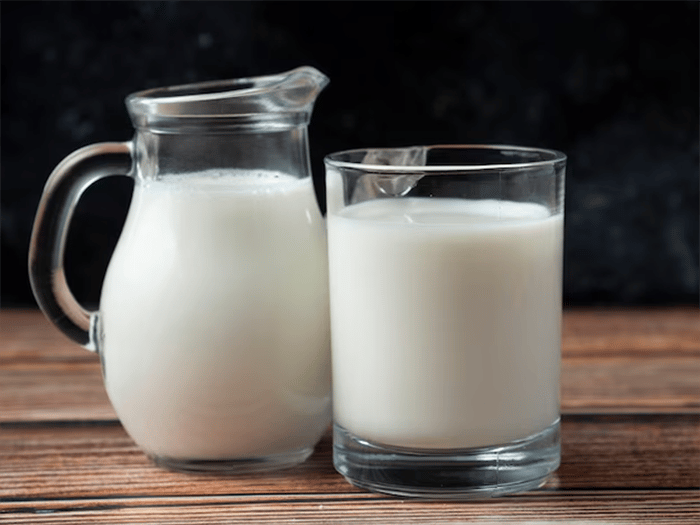
Phosphorus-rich foods are already present in traditional Indian everyday cooking. These five meals boost phosphorus in the diet without any supplements or special ingredients. Each meal provides 15–50% of the daily phosphorus requirement per serving.
- Breakfast — Ragi porridge with milk and banana (~300 mg phosphorus)
- Mid-morning snack — Soaked almonds with til laddoo (~200 mg phosphorus)
- Lunch — Rajma-rice with raita (~350 mg phosphorus)
- Evening snack — Paneer cubes with chutney or peanut butter on whole wheat toast (~250 mg phosphorus)
- Dinner — Dal khichdi with ghee (~220 mg phosphorus)
Foods high in phosphorus are budget-friendly and widely available across India. Phosphorus in diet is easily achieved through whole, traditional Indian food choices.
Conclusion: Phosphorus Is Already in Your Kitchen — You Just Need to Use It Intentionally
They can have phosphorus in their diet without any supplements. Milk, dal, peanuts and ragi are good sources of daily requirement of phosphorus. Indian kitchens are loaded with phosphorus-rich foods like rajma, paneer, almonds etc. Whole-food-based Indian meals can meet most children’s daily needs. Foods that are high in phosphorus make up a naturally balanced diet. If they have persistent symptoms of deficiency, consult a paediatrician. For full nutritional information, see the related articles about magnesium and calcium on TJK.
Frequently Asked Questions
What are the best phosphorus-rich foods for kids in India?

Some of the best foods rich in phosphorus are dal, rajma, paneer, milk and ragi. Almonds and peanuts are healthy snack foods that contain a lot of phosphorus. Traditional Indian whole foods are the best way to get phosphorus in your diet.
How much phosphorus does a child need per day in India?
The amount of phosphorus you need in your diet varies a lot depending on your age. Phosphorus needs range from 460 mg for young children to 1250 mg for teenagers. Follow the ICMR-NIN guidelines for appropriate phosphorus recommendations and consult a paediatrician.
What are the signs of phosphorus deficiency in children?
A diet low in phosphorus can cause fatigue, irritability and bone pain. A phosphorus deficiency also results in stiff joints, numbness, and loss of appetite. Complete any phosphorus-related deficiency diagnosis with a visit to a paediatrician.
Should I give my child a phosphorus supplement?
Most children meet their phosphorus requirements by eating whole foods regularly. Indian cuisine already has enough foods rich in phosphorus to meet the daily requirement. Consult a paediatrician first before introducing any phosphorus supplementation for them.
Smriti is a content writer who creates clear, practical, and informative content backed by science and relevant data. With a strong understanding of structured writing, she breaks down complex topics into simple, actionable insights. Her work is focused on helping readers prepare, learn, and grow with confidence and clarity.
The views expressed are that of the expert alone.
Popular Topics