



 Parenting Guide


 Child Health & Growth


 Learning & Skills Development


 Food & Nutrition


 Bournvita





Introduction
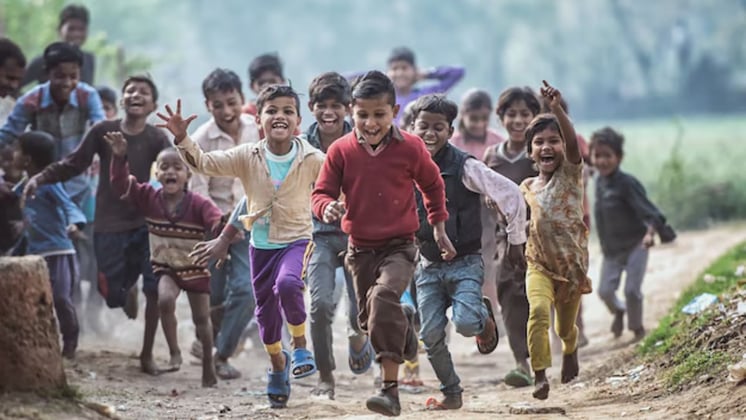
In today's fast-paced, tech-driven world, it can be tempting to let your child spend hours glued to a screen. However, the benefits of playing outdoor games far outweigh the convenience of digital entertainment.
Beyond the obvious physical benefits of running, jumping, and exploring, outdoor play provides invaluable opportunities for social interaction, imaginative exploration, and a deeper understanding of the natural world. As your child navigates the playground or trails, they learn to navigate relationships, problem-solve, and express their creativity in ways that simply cannot be done indoors. The sights, sounds, and sensations of the great outdoors stimulate their senses, fueling cognitive development and a lifelong appreciation for the natural environment.
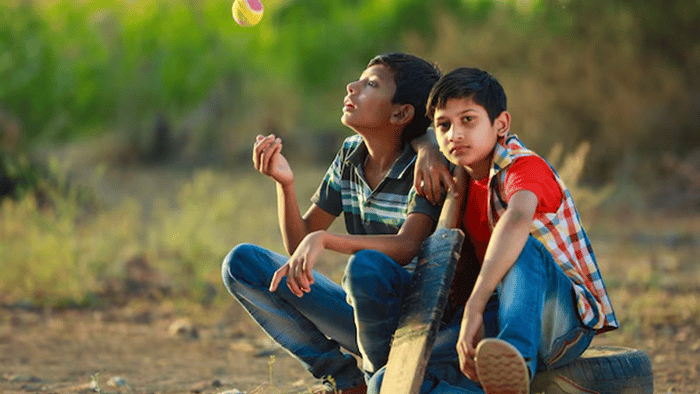
This might not be ideal for kids to cave in indoors. In front of screens, it is essential for kids to take time off from screens and explore the outside world for a better understanding of physical movements. The benefits of playing outdoor games is not just a physical development opportunity but they also help them to understand people and build a sense of independence—all essential qualities for raising a well-rounded, compassionate individual.
So, pick up your kids and step away from the screens, lace up your shoes, and discover the transformative power of outdoor play together.
Why Outdoor Games Are Important for Children
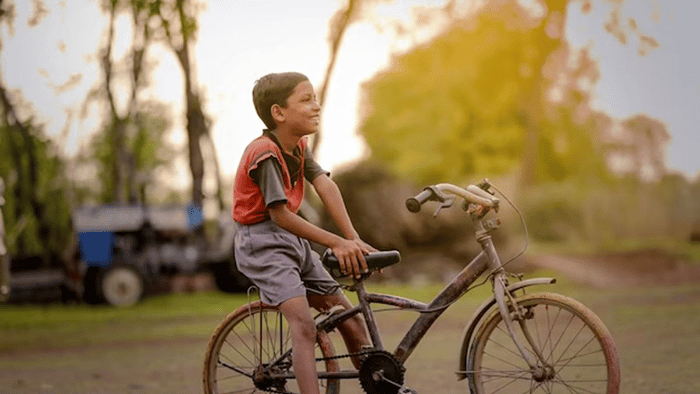
There is something that structured indoor activities rarely replicate with the same developmental completeness as games outdoors. They put a child’s body, mind, social instincts, and physical confidence under simultaneous demand in an uncontrolled environment where adaptation is required rather than optional. The benefits of playing outdoor games go far beyond calories burned or muscles used, to cognitive flexibility, emotional regulation, risk assessment, and cooperative behavior in ways that classroom learning and screen-based entertainment simply cannot compensate for in the years when these capacities are being built.
Physical Benefits of Playing Outdoor Games

Builds Strength and Stamina
Running, climbing, jumping, and chasing games also place progressive demands on a child’s cardiovascular system, muscle groups, and energy systems, prompting the body to build capacity over time. The benefits of playing outdoor games for muscular endurance are especially important because outdoor play requires sustained effort over variable consistency. The Indian Council of Medical Research has found that children who engage in rigorous outdoor activity every day have better muscular endurance and cardiovascular fitness.
Improves Balance and Coordination
One of the benefits of playing outdoor games is that they provide a variable that constantly challenges a child’s proprioceptive system, building balance, agility, and motor control that smooth indoor floors never require of a developing body. The National Institute of Nutrition India states that motor skill development through outdoor activity between the ages of three and twelve forms the neuromuscular coordination patterns that underpin physical competence throughout adolescence.
Supports Bone and Muscle Development

Weight-bearing outdoor activities such as running, jumping, and climbing provide mechanical loading signals that stimulate bone remodeling and increase bone mineral density during childhood, when skeletal architecture is being established for the lifetime ahead. “Weight-bearing physical activity during school years is directly proportional to bone density measurements in early adulthood,” says the Indian Orthopaedic Association. So, outdoor play is not just a fitness activity but an investment in bone health.
Encourages Better Fitness Levels
The benefits of playing outdoor games make children more likely to develop active lifestyle habits that persist into adulthood than those who exercise only in structured programs or during school physical education periods. The best way to ensure a child is fit is to encourage them to play outdoors regularly, not sporadic bursts of intense exercise. Children who are physically active have better markers of metabolic health than their sedentary peers in similar dietary environments, according to the Indian Dietetic Association.
Importance of Outdoor Play for Younger vs. Older Children
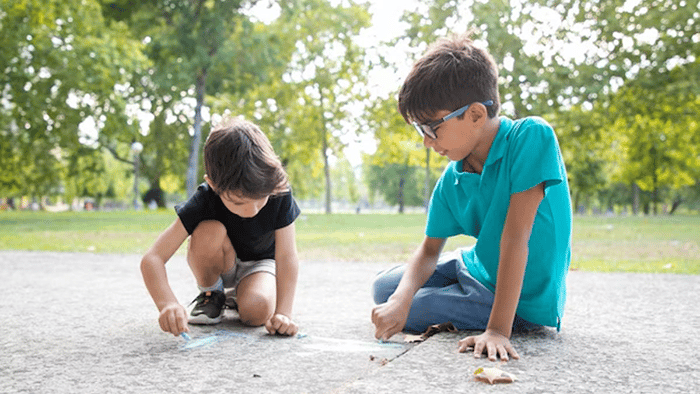
Outdoor play has different developmental goals for different ages. Understanding this helps parents support their child’s specific needs, instead of using one approach for a decade of rapidly changing developmental needs. One of the main benefits of playing outdoor games from two to six years is to develop motor skills: running, jumping, throwing, catching, balancing, and climbing. These are not competitive games but rather necessary physical vocabulary that the nervous system is encoding during a critical window of motor development.
Outdoor environments are not places where there is pressure for structured instruction. Toddlers and preschoolers are free to practice these movements again and again in self-directed exploration, which leads to real neural consolidation. For teenagers, outdoor games provide the independence, peer connection, and physical competence that adolescent identity development requires.
Frequently Asked Questions
How do outdoor games help child development?

Outdoor play builds physical strength, coordination, bone density, cardiovascular fitness, social skills, emotional regulation, and risk assessment skills, all in a challenging environment that cannot be replicated indoors.
How much outdoor play do children need daily?
Children aged five to seventeen need to achieve at least sixty minutes of moderate to vigorous physical activity every day, and outdoor play should be the main way they meet this goal throughout their school years.
What outdoor games are best for kids?
Games that develop coordination and demand cardiovascular effort produce the greatest return on development. Tag, kabaddi, hopscotch, cricket, football, kho-kho, skipping and cycling are all good options for outdoor games that cover many areas of physical development simultaneously.
Her love for storytelling began with reading her grandfather’s speeches, where Tarishi saw the power of words in creating lasting memories. Combining her passions for food and writing, she has turned her life into a fulfilling path of sharing stories that celebrate flavours and how food brings communities together.
The views expressed are that of the expert alone.
Popular Topics