



 Parenting Guide


 Child Health & Growth


 Learning & Skills Development


 Food & Nutrition


 Bournvita





Introduction

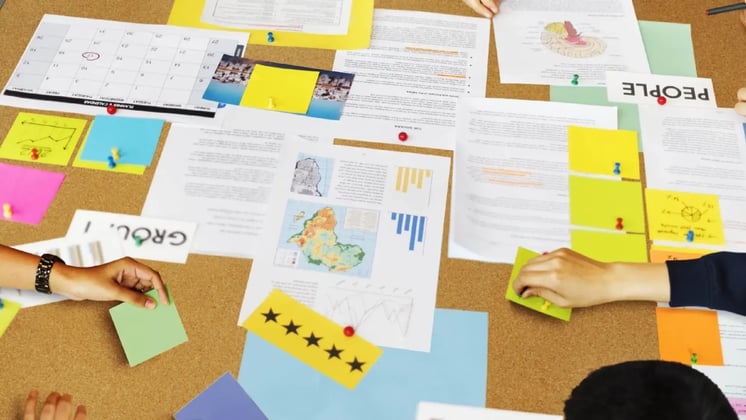
Project-based learning (PBL) is a teaching approach in which students explore a meaningful question or problem over time and create a product, presentation or other outcome. Instead of only learning concepts from textbooks, students investigate topics, apply knowledge and revise their work as they learn.
PBL can connect classroom learning with real-world situations and give students opportunities to research, collaborate, communicate and solve problems. Teachers guide the process through questions, resources, feedback and structured milestones rather than leaving students to complete a project entirely on their own.
What Is Project-Based Learning?
Project-based learning is a sustained learning process organised around an authentic question, problem or challenge. Students investigate the topic, apply knowledge from one or more subjects and create a meaningful product or presentation for an audience. The process usually involves inquiry, student decision-making, feedback, revision and reflection rather than completing a one-time assignment.
How is Project-Based Learning Different
Project-based learning is a rather unconventional approach that uses techniques that are more student-centric and gives the child the ability to handle real-world situations and problems. In contrast with the traditional approach that focuses on retaining information through textbooks, project-based learning is more coherent as it focuses more on communication, group work, and teaching kids with actual skills. Students get the ability to choose different types of projects works, presentations, and research methodologies to support their learning. This is a deviation from the conventional parts that students are supposed to follow while learning at school.
PBL vs Doing a Project
A classroom project and project-based learning are not always the same. A project can be a short activity completed after teaching a topic, while PBL uses the project as a central part of the learning process.
| Feature | Project-Based Learning | One-Time Classroom Project |
| Timing | Extended over several lessons or weeks | Often completed in a shorter period |
| Inquiry | Begins with a question or problem | Usually follows given instructions |
| Student voice | Students make meaningful choices | Choices may be limited |
| Revision | Feedback and revision are expected | May involve one final submission |
| Audience | Often includes an authentic audience | Usually submitted to the teacher |
| Learning | Content is learned through investigation and application | Project may demonstrate previously taught content |
Primary-School PBL Examples
How Can We Reduce Waste at Our School?
Age:8–11 years
Subjects:Science, mathematics, environmental studies
Product:Waste audit, charts and an action presentation
Students investigate the types of waste produced at school, record simple data, identify possible solutions and present practical recommendations.
How Can We Design a Healthy School Lunch?

Age:8–11 years
Subjects:Science, mathematics, language
Product:Sample menu and presentation
Students research food groups, compare ingredients, create a balanced sample menu and explain their choices using age-appropriate nutritional information.
How Can We Make Our Playground More Accessible?
Age:9–11 years
Subjects:Mathematics, design, language and social studies
Product:Playground plan or model
Students observe the existing space, identify barriers, measure areas and design improvements. They then explain how their proposed changes could make the space easier to use for more children.
How Teachers Plan and Assess PBL
Effective PBL needs structure. Teachers can begin with a clear driving question and divide the project into manageable milestones. Students may receive research resources, examples, planning templates or guiding questions according to their needs.
Assessment can include a rubric covering subject knowledge, research, problem-solving, communication and the final product. Teachers can provide feedback during the process rather than assessing only the finished work. Individual reflection and progress records can also help identify each student's contribution when projects are completed in groups.
Benefits of Project-Based Learning
Focuses on Teamwork
Many PBL activities involve collaboration. Students may divide responsibilities, discuss different ideas, make decisions and work towards a shared outcome. Teachers can structure roles and individual accountability so that group work does not depend on only one or two students.
Supports Confidence Through Participation
Presentations, discussions and opportunities to make decisions can give students practice communicating their ideas. However, confidence develops differently for each child and should not be treated as an automatic result of PBL.
Supports Conceptual Understanding

Students may apply classroom concepts while investigating a question or creating a product. Connecting theory with evidence and practical tasks can provide another way to explore a concept alongside direct instruction, reading and other teaching methods.
Makes Learning More Relevant
PBL can connect curriculum topics with questions or situations that students recognise from everyday life. A meaningful context can give students a reason to research, discuss and apply what they are learning.
Encourages Creativity
Open-ended projects may allow students to consider different approaches, designs or ways of presenting information. Teachers can provide appropriate boundaries while leaving room for students to make meaningful choices.
Develops Persistence With Complex Tasks
Longer projects can require students to plan, respond to feedback, revise ideas and work through challenges. These experiences can provide opportunities to practise persistence, although the level of support required varies between students.
Provides Opportunities to Practise Conflict Resolution
Group projects can involve different opinions and approaches. With teacher guidance, students can practise listening, explaining their reasoning, sharing responsibilities and reaching workable decisions.
Challenges of Project-Based Learning
PBL also requires careful planning. Projects can take more classroom time than individual activities, and teachers need to ensure that the work remains connected to curriculum objectives.
Group projects can also result in unequal participation. Students may have different access to technology, materials or support outside school. Clear roles, classroom resources, teacher scaffolding and individual assessment can help reduce these challenges.
Conclusion
Project-based learning gives students opportunities to investigate meaningful questions, apply classroom knowledge and create a final product or presentation. Its effectiveness depends on thoughtful planning, curriculum alignment, teacher guidance, feedback and inclusive participation. Teachers can start with a small, curriculum-linked project and gradually increase its complexity as students become familiar with the process.
Frequently Asked Questions
What is project-based learning?

Project-based learning is an approach where students investigate a meaningful question or problem over time and create a product, presentation or solution.
How is PBL different from a classroom project?
PBL makes inquiry and the project central to learning, with student choice, feedback, revision and reflection built into the process.
What are examples of project-based learning?
Examples include investigating school waste, designing a lunch menu, studying local biodiversity or creating an accessible playground plan.
How is PBL assessed in primary school?
Teachers can use rubrics, observations, project milestones, presentations, subject knowledge, individual contributions and student reflections to assess learning.
Her love for storytelling began with reading her grandfather’s speeches, where Tarishi saw the power of words in creating lasting memories. Combining her passions for food and writing, she has turned her life into a fulfilling path of sharing stories that celebrate flavours and how food brings communities together.
The views expressed are that of the expert alone.