




 Parenting Guide


 Child Health & Growth


 Learning & Skills Development


 Food & Nutrition


 Bournvita




Introduction
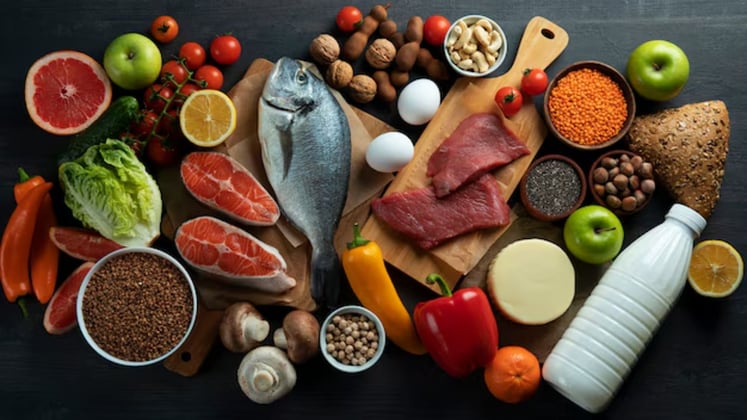
It is very important to make sure that your children are eating a proper balanced diet for their growth and development. Although all the nutrients are important for a child’s correct development, one essential component is protein. You must be wondering if your child is getting enough. But not to worry, most of the children easily get the required protein through a normal diet.
Protein is an important nutrient that helps build tissues and cells in the body as well as repair them. It gives energy to the body and this nutrient plays a major role in the rapid growth and development of children. Protein-rich foods have amino acids, which are building blocks for bones, muscles, and cartilage. They help in increasing stamina as well. If your child is consuming a proper balanced diet that contains protein-rich foods, they are likely to meet their daily needs of protein.
Protein deficiency is very rare, but it is still important for your child to get the required amount of protein. If your child is a picky eater, finding creative ways to incorporate protein-rich foods into their preferred foods can help increase their intake.
How Protein Supports Stamina and Energy in Kids
During exercise, when a child runs or plays active games or takes part in sports, muscle fibers suffer microscopic injury. The body repairs overnight with amino acids derived from dietary protein. A child that doesn’t get enough protein doesn’t quite complete this repair process before the next day’s demands begin. Gradually accumulating the muscle fatigue, reduced power output, and declining endurance that parents see as increasing tiredness over successive active school days.
How Protein Helps Support Endurance and Recovery
Why Protein Works Best With Carbohydrates for Energy
When your child exercise, the body prefers to use glucose from carbohydrates as its energy currency. According to the NIH, the nutritional basis of real stamina is a mix of protein and carbohydrates. Protein-rich food for kids is best for stamina when eaten with complex carbohydrates. It provides immediate glucose fuel, as protein then does its complementary roles of slowing glucose absorption, preventing muscle catabolism, and supporting recovery processes. A child eating protein with insufficient carbohydrates will quickly become exhausted despite having excellent protein intake. A child eating carbohydrates with insufficient protein will become exhausted over consecutive days as recovery deficits build up.
How Protein Supports Growing Active Bodies
Proteins are involved in all the growth processes that happen at the same time in a school-age child's body. The adult protein recommendations vastly underestimate the amount of protein needed by an active, rapidly growing child. As they must deal with academic and cognitive demands, social engagement, and emotional development in addition to physical activity.
Best Protein-Packed Foods That Support Stamina
Consuming foods rich in protein provides children with the amino acids they need for healthy bones, muscles, and cartilage and builds up their stamina. Eating a variety of protein-rich foods can help provide the essential amino acids the body needs.
Animal-Based Protein Foods for Endurance
Eggs
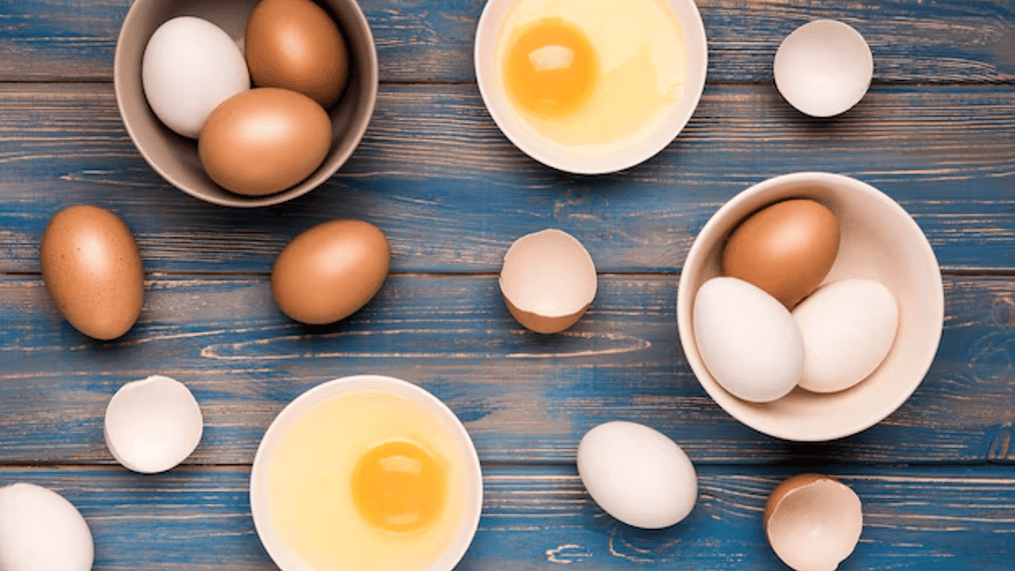
Eggs are a great source of complete protein, containing all nine essential amino acids. They are a single, affordable, and versatile ingredient that needs little prep time during the morning rush of most Indian school households.
Fish
Fatty fish like rohu, mackerel, sardines, and surmai deliver complete protein along with omega-3 fatty acids. It can cut down exercise-induced muscle inflammation. They also help in faster recovery between active days in a way that protein alone without the omega-3 component cannot.
Chicken
Chicken breast has the highest protein concentration of the most commonly consumed non-vegetarian food in Indian homes. It has about 31 g of protein per 100 g of cooked meat.
Plant-Based Protein Foods for Stamina
Beans and Lentils
The highest-protein vegetarian food group available through everyday Indian cooking is the combination of rajma, chana, moong dal, masoor dal, and toor dal. It provides 14 to 24 g of protein per 100 g dry weight, depending on the legume.
Tofu
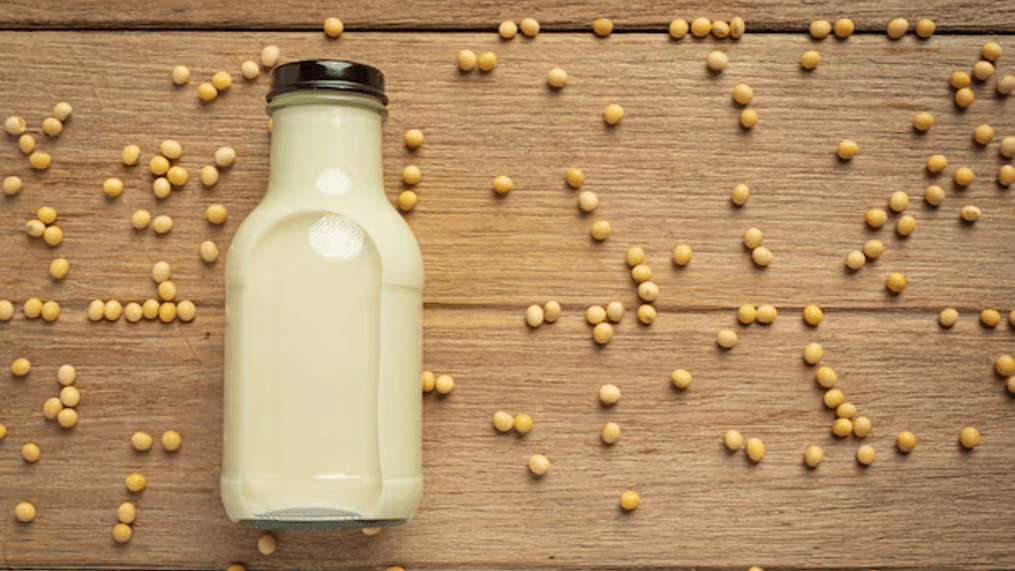
Tofu provides approximately 17 grams of complete protein per 100 grams in addition to calcium, iron, and manganese in a plant-based format. It takes on the flavors of any preparation it is used in. Making it truly versatile in the Indian cooking styles most children already accept without food neophobia resistance.
Peas
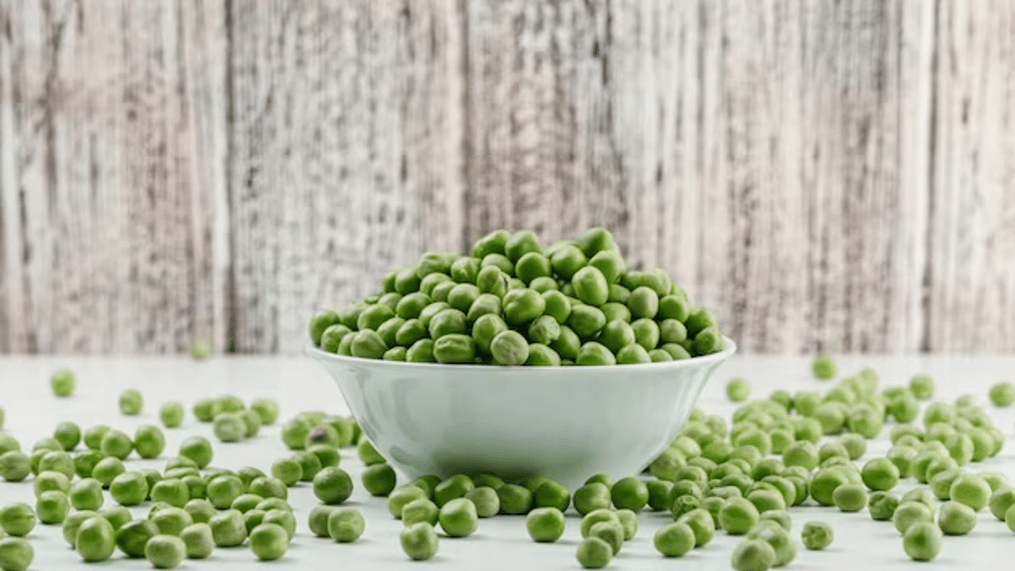
Indian children regularly come across green peas in pulao, sabzi, poha, and paratha fillings. It contains about 5 grams of protein per 100 grams, along with vitamin C, vitamin K, folate, and fiber.
Protein-Rich Nuts and Seeds for Lasting Fuel
Almonds
Almonds contain around 21 grams of protein per 100 grams, as well as vitamin E, magnesium, and healthy monounsaturated fats. It helps to sustain your energy release over the next two to three hours after eating.
Pumpkin Seeds
Pumpkin seeds have about 30 grams of protein per 100 grams and are thus the most protein-dense seed available gram for gram in Indian markets. Zinc content aids immune function as well as testosterone-adjacent hormonal processes of interest to older children and adolescents.
Chia Seeds
Chia seeds contain about 17 grams of protein per 100 grams and the highest omega-3 content of any seed. It has soluble fiber that creates the long-lasting fullness that is essential for endurance during long periods of activity.
Conclusion
Protein aids a child’s stamina by repairing, recovering, and providing a steady release of energy. As well as supporting all of the growth-dependent biological processes that are simultaneously occurring in an active, developing body.
Frequently Asked Questions
Are eggs and beans good for endurance in children?

Eggs are a complete protein, containing all the essential amino acids that help repair muscles overnight. At the same time, beans are a source of protein and complex carbohydrates that help keep blood glucose stable during active days.
How much protein do active kids need from food?
Active school-age children require about 0.95 to 1.2 grams of protein per kilogram of body weight per day. So a child weighing 30 kilograms and playing sports three times a week needs about 29 to 36 grams of protein-rich food for kids per day.
Can plant proteins support stamina as well as animal proteins?
Plant proteins can be effective for stamina support if you get them from a variety of sources that give your kids a complete spectrum of amino acids. Complementary pairing fills out complete amino acid profiles. Dal and rice, chana and roti, and tofu and vegetable combinations all work.
Her love for storytelling began with reading her grandfather’s speeches, where Tarishi saw the power of words in creating lasting memories. Combining her passions for food and writing, she has turned her life into a fulfilling path of sharing stories that celebrate flavours and how food brings communities together.
The views expressed are that of the expert alone.
Popular Topics