



 Parenting Guide


 Child Health & Growth


 Learning & Skills Development


 Food & Nutrition


 Bournvita





Introduction

Teaching children about money can help them understand everyday concepts such as spending, saving, comparing prices and making choices. Money games for kids make these ideas easier to explore through play, pretend shopping and simple challenges. Children can practise recognising Indian currency, counting money, creating a small budget and deciding between needs and wants without using real money. The activity should match the child's age and experience. For younger children, simple pretend play works well, while older children can explore budgeting, saving goals and everyday spending decisions.
What Money Skills Can Kids Learn Through Games?
Well-designed financial literacy games can help children practise:
- Money recognition: Identifying ₹1, ₹2, ₹5, ₹10, ₹20, ₹50 and ₹100 notes or coins.
- Counting and change: Adding prices and working out simple change.
- Price comparison: Comparing two products and deciding which costs less.
- Budgeting: Planning how to use a fixed amount of pretend money.
- Saving: Setting aside money towards a specific goal.
- Decision-making: Considering needs, wants, prices and trade-offs before spending.
Offline Money Games at Home or School
Let's Budget
- Objective:Practise dividing a fixed amount between spending and saving.
- Materials:Fake ₹10, ₹20, ₹50 and ₹100 notes, toy items or picture cards.
- Time:15–20 minutes.
How to play:
- Give the child ₹200 in pretend money.
- Assign prices to snacks, stationery and toys.
- Ask them to choose what they want to buy.
- Keep some money aside for a savings goal.
- Add up the spending and discuss the remaining amount.
Reflection:Which purchases were needs, which were wants, and what could be saved?
Coin Caterpillars
- Objective:Learn to recognise different Indian coins and their denominations.
- Materials:Pictures or play versions of ₹1, ₹2, ₹5 and ₹10 coins, paper and crayons.
- Time:10–15 minutes.
How to play:
- Place the coins in order of denomination.
- Ask the child to identify each one.
- Create a caterpillar by drawing around the coins.
- Give simple counting challenges, such as finding two ways to make ₹10.
Reflection:Which coins have the same value when combined?
Running a Pretend Stall

- Objective:Introduce prices, buying, selling and simple calculations without real-money transactions.
- Materials:Pretend food or stationery, paper signs and play money.
- Time:20–30 minutes.
How to play:
- Set up a pretend lemonade or snack stall.
- Give each item a simple rupee price.
- One child becomes the seller and another becomes the customer.
- Use play money to practise paying and giving change.
- Switch roles.
The focus should be on understanding prices and transactions rather than teaching children that running a business guarantees financial success.
Reflection:How did you decide the price, and how much change did the customer receive?
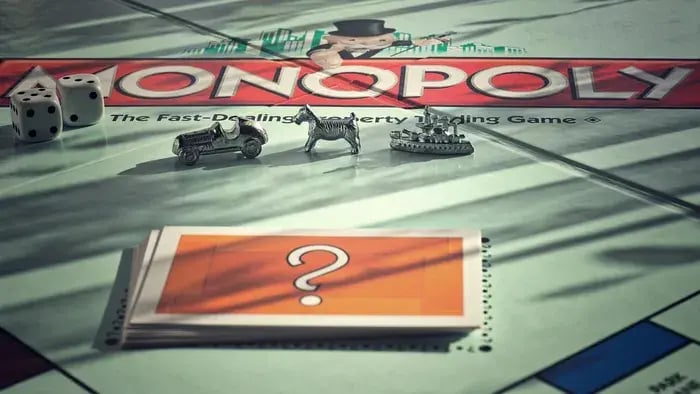
Money Board Games
- Objective:Practise financial choices through structured play.
- Materials:An age-appropriate money-themed board game, play money and counters.
- Time:30–60 minutes.
Choose games that match the child's age and explain unfamiliar concepts before playing. Children can discuss buying, saving, planning and trade-offs during the game. Board games should supplement real-world conversations rather than replace them.
Reflection:What choice did you make during the game, and what happened afterwards?
Bartering Practice
- Objective:Explore value, preferences and negotiation.
- Materials:Toy cards, picture cards or other non-essential pretend items.
- Time:10–15 minutes.
How to play:
- Give each child several pretend items.
- Ask them to choose something they would like from another player.
- Let them suggest a trade.
- Discuss whether both players think the exchange is fair.
- Explain that real-world purchases generally use money rather than direct barter.
Reflection:Why did you think one item was worth exchanging for another?
Menu Maths
- Objective:Practise addition, price comparison and budgeting.
- Materials:A pretend restaurant menu and play money.
- Time:15–20 minutes.
How to play:
- Create a menu with items priced from ₹20 to ₹100.
- Give the child a pretend budget of ₹200.
- Ask them to choose a meal without exceeding the budget.
- Calculate the total and remaining amount.
- Compare different combinations.
Savings Goal Game
- Objective:Help children understand that saving can involve setting aside small amounts over time.
- Materials:Goal chart, play money and a picture of the chosen goal.
- Time:15–20 minutes initially, then a few minutes for follow-ups.
How to play:
- Choose a realistic pretend goal.
- Set a target amount, such as ₹500.
- Give the child pretend weekly amounts.
- Let them decide how much to save.
- Track progress on the chart.
Savings-goal activities are commonly used in age-appropriate financial education because they connect saving with a specific future goal.
Money Games by Age Group
| Age group | Suitable money games | Main skill |
| Preschool | Coin matching, pretend shop, needs vs wants | Recognition and simple choices |
| Primary school | Budget game, price comparison, savings goal | Counting and planning |
| Middle school | Shopping challenge, menu maths, event budget | Budgeting and trade-offs |
| Teens | Monthly budget simulation, spending scenarios, savings planning | Decision-making and financial planning |
Digital Game Safety and Currency Context
Digital money games can be useful, but parents should check the app before children use it. Look for:
- Privacy:Avoid games that request unnecessary personal information.
- Ads:Check whether advertisements are appropriate for children.
- In-app purchases:Disable or restrict purchases where possible.
- Screen time:Balance digital games with offline activities and real-world money conversations.
- Currency:For Indian children, use ₹ and familiar prices so examples relate to everyday shopping.
Avoid games that encourage children to make real financial transactions or purchases without adult involvement.
Conclusion
Money games can introduce children to counting, budgeting, saving, price comparison and needs versus wants. Choose age-appropriate activities, use pretend money where possible, and discuss the decisions made during each game.
Frequently Asked Questions
What are good money games for kids?

Pretend shops, coin matching, budgeting challenges, savings-goal games, menu maths and age-appropriate money board games are useful options.
How can children learn budgeting?
Give children a fixed amount of pretend money and ask them to plan spending, saving and choices within that amount.
Which money games suit different ages?
Preschoolers can practise coin recognition and pretend shopping, while older children can explore budgeting, saving goals and spending scenarios.
How can parents teach needs versus wants?
Use everyday examples and ask children to sort items into needs and wants, then discuss why some choices may take priority.
Her love for storytelling began with reading her grandfather’s speeches, where Tarishi saw the power of words in creating lasting memories. Combining her passions for food and writing, she has turned her life into a fulfilling path of sharing stories that celebrate flavours and how food brings communities together.
The views expressed are that of the expert alone.