


 Parenting Guide


 Child Health & Growth


 Learning & Skills Development


 Food & Nutrition


 Bournvita




Introduction
Self-help books are practical books that inspire teenagers to grow with confidence. These books are centered around mental health, good habits, personal growth, and resilience. They don’t read like academic textbooks. Instead, they provide valuable life skills via relatable experiences and actionable advice. Teenagers feel changing feelings, increasing responsibilities, and social pressure every day. They read the right books to gain a better and more confident understanding of these experiences. Many self-help books deal with ideas such as positive thinking, improved communication, emotional awareness, and responsible decision-making. They also teach perseverance, self-control, empathy, and positive ways to cope with setbacks. These lessons gradually prepare teen-agers for adulthood, but without overwhelming or discouraging young readers. Regular reading develops critical thinking and helps to develop curiosity, independence, and habits of lifelong learning. The little ideas they learn today can be a big help on their journeys in the future.
Parents should make it their business to get teenagers to read age-appropriate self-help books regularly. Sharing reading experiences can often lead to meaningful conversations about emotions, goals, relationships, and values. Such talks create trust and help teens to speak their mind freely and without hesitation. Parents can recommend books based on their child’s interests, challenges, personality, and maturity level. It is more encouraging to guide children gently than to push them through the recommended books. Self-help books should become friends that aid learning and not substitutes for parental guidance. Intelligent parenting plus inspiring books equals confident, resilient, compassionate, and capable young adults.
6 Best Self-Help Books Every Teen Should Read
The Alchemist by Paulo Coelho
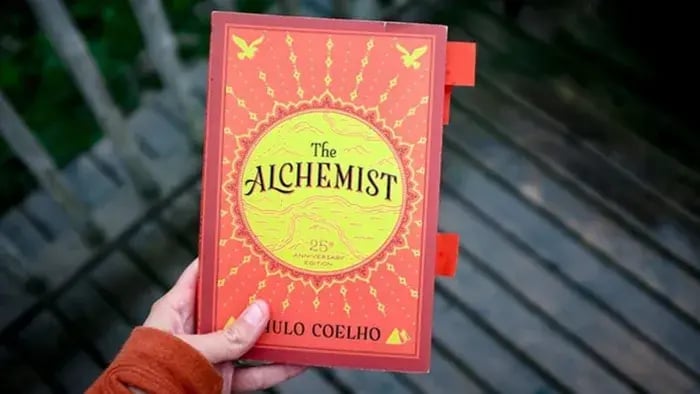
Santiago is a shepherd who abandons a comfortable routine for a recurring dream. The novel considers obstacles along the way to be information, not mere obstacles to be survived. Any teenager who is weighing up a safe route against a more dangerous interest will know this tension. The chapters are short, and the structure is almost parable-like, so it makes for a good first serious read. The line "when you want something, all the universe conspires to help you achieve it" sticks with many readers long after finishing.
Man's Search for Meaning by Viktor E. Frankl
Frankl wrote this as a psychiatrist who had survived the Nazi concentration camps during the Second World War. Once a teen understands the context, his central idea that meaning can be chosen when circumstances cannot strikes a different note. This is denser than the other books on this list and is for an older, more reflective reader. For a teen who’s had a really bad year, this may be more comforting than lighter self-help writing. There are no easy answers, and that’s what makes it feel real.
The Power of Positive Thinking by Norman Vincent Peale
The book was originally written in 1952, and the main premise is that your mindset is more important to outcome than most people think. It's the most straightforward, almost instructional book on this list and provides techniques, not narrative. Its reframing exercises can be applied on the spot by a teen concerned about exams or tryouts. Some of its language is outdated, but the fundamental mechanism that rehearsed confidence improves performance holds up.
Tuesdays with Morrie by Mitch Albom
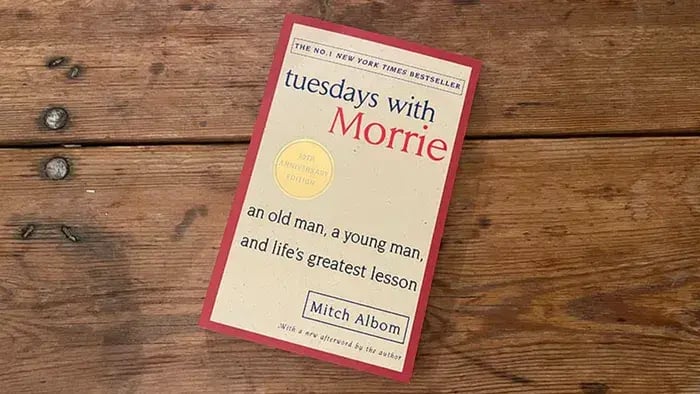
A former student visits his dying college professor on Tuesdays for fourteen weeks. Morrie’s words about regret, relationships, and time spent hit harder because he is actually dying while saying them. This is the shortest book here, the most emotionally immediate, and it is a fast read. This appeals to teens who are more likely to shy away from “self-help” framing because it feels like memoir first.
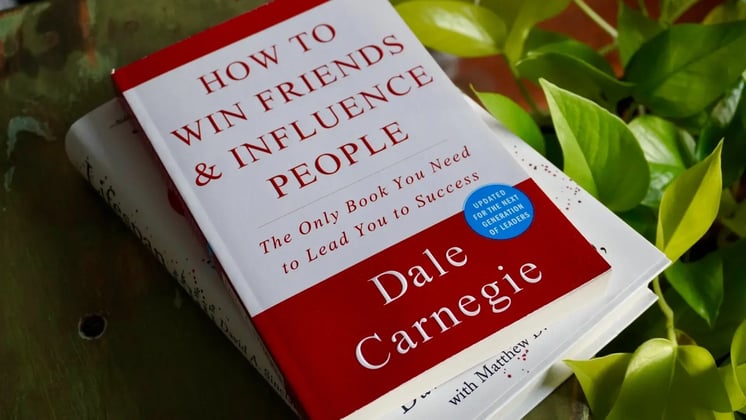
How to Win Friends and Influence People by Dale Carnegie
It’s advice to talk less and listen more, first published in 1936, has aged better than its title suggests. The key skill, which is to remember a person's name and then ask them about their interest before talking about your own, works just as well in a school hallway as it does in a boardroom. What this means is that it’s not a vague “be more confident” sort of advice but concrete scripts that the socially anxious teen can use. It’s more of a manual than any of the other books on this list.
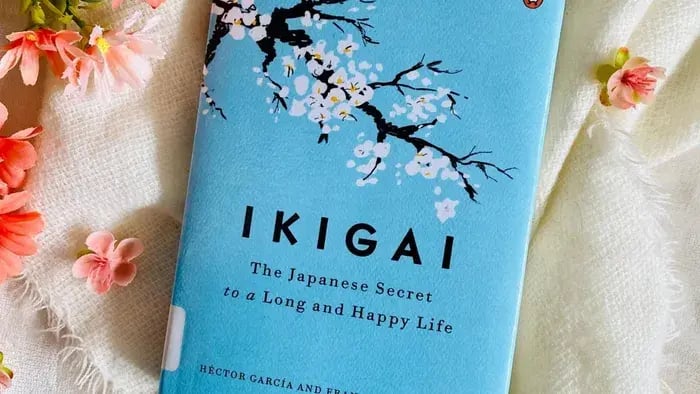
Ikigai by Francesc Miralles and Hector Garcia
Drawing on interviews with elderly residents of Okinawa, Japan, this book asks what gives a life daily purpose. It's less a how-to than the others, more of a meditation. This slower, less outcome-oriented framing could be a relief to a teen who is anxious about choosing the “right” career path. Short chapters make it easy to read in pieces rather than all at once.
How to Encourage Your Teen to Read Self-Help Books
Generally, giving them up all at once backfires. One book, chosen by the teen, is better. Even reading the same copy with a teen, a chapter behind, sparks conversation without pressure. The better question is not, “Did you like it?” but, “What part stuck with you?” Instead, place the book next to a bed, not a desk. Ten minutes before sleep is an easy entry point. A teen who finishes one book on their own terms is far more likely to go on to pick up a second.
Conclusion
There are six books here, each answering a different question a teenager might be silently asking. Some are made for a tough year, others for a simple curiosity about what is to come. Best to begin by choosing the one that fits a teen's mood, not the "best" one. One finished book, of free choice, usually leads to another.
Frequently Asked Questions
How can I encourage my teenager to develop a reading habit?

Choose a book instead of assigning one for the teen. The mere sight of a parent reading his or her own book is of more help than any amount of instruction.
Which self-help book is best for a teen struggling with confidence?
Simple and practical methods to beat exam or performance anxiety. The Alchemist is good for a teen who is confused about a particular decision.
Are these books suitable for younger teens, or only older teenagers?
Most of the book or works well from around thirteen onward. Man's Search for Meaning suits sixteen and up, given its heavier historical content.
Smriti is a content writer who creates clear, practical, and informative content backed by science and relevant data. With a strong understanding of structured writing, she breaks down complex topics into simple, actionable insights. Her work is focused on helping readers prepare, learn, and grow with confidence and clarity.
The views expressed are that of the expert alone.
Popular Topics