
 Parenting Guide


 Child Health & Growth


 Learning & Skills Development


 Food & Nutrition


 Bournvita





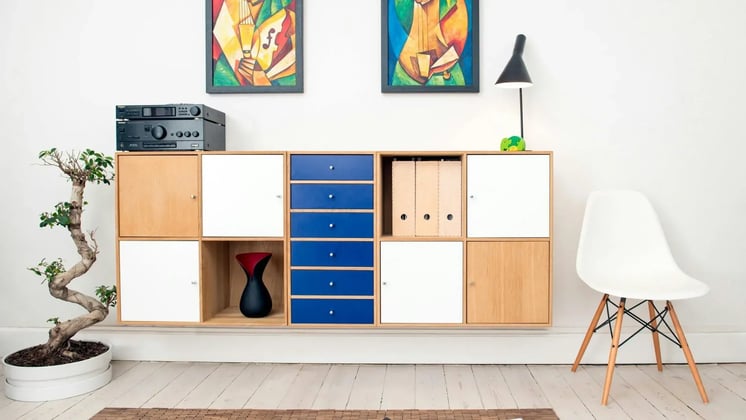
Introduction
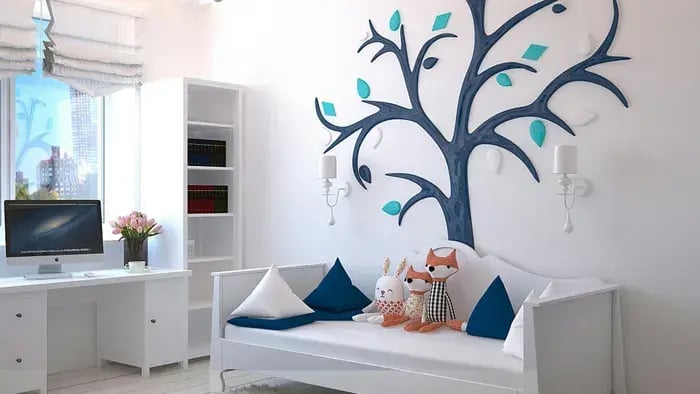
A child’s bedroom can be a place for sleeping, playing, reading, studying and keeping personal belongings organised. Good kids' bedroom design ideas should therefore balance comfort, safety and functionality rather than focusing only on decoration. A simple theme, flexible furniture, accessible storage and clearly defined zones can make the room easier to use as the child grows. Parents can also involve children in choosing colours, artwork and displays while keeping important safety decisions with adults.
Start With Safety and Function
Safety should come before themes or decorative features when planning a child's room.
- Anchor furniture:Secure wardrobes, dressers, bookshelves and other top-heavy furniture to the wall using appropriate anti-tip hardware.
- Keep windows safe:Use suitable window guards or stops where needed, and keep climbable furniture away from windows. Window screens should not be treated as fall protection.
- Choose cordless window coverings:Accessible blind and curtain cords can create a strangulation hazard. Cordless coverings are the safest option where young children are present.
- Check bunk beds:If using bunk beds, follow the manufacturer's safety instructions and use appropriate guardrails. The American Academy of Pediatrics advises that children younger than 6 should not sleep in the top bunk.
- Protect outlets and cables:Keep electrical cords organised and use suitable outlet protection where required for younger children.
- Keep walkways clear:Avoid loose rugs, toys or furniture that could obstruct movement.
- Use practical lighting:Provide enough light for reading and studying while keeping lamps and electrical cords safely positioned.
Kids’ Bedroom Zones
Even a small room can be divided into simple zones based on how much space is available.
Sleep Zone
Keep the bed in a comfortable, uncluttered area with suitable bedding and enough space to move around it.
Storage Zone
Use drawers, baskets, low shelves and labelled containers for clothes, books and toys. Frequently used items can be kept within easy reach.
Play Zone
A floor mat or open area can provide space for toys, puzzles, crafts and other activities without taking over the entire room.
Reading Zone
A small bookshelf with a comfortable chair, floor cushion or suitable seating can create a dedicated reading area.
Study Zone
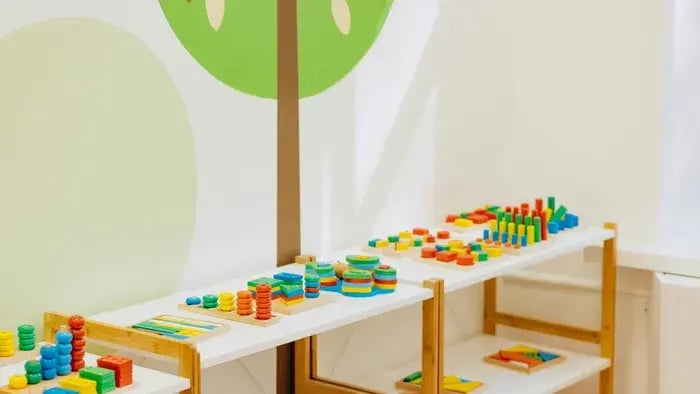
For school-age children and teens, place a suitable desk and chair near adequate lighting. Keep stationery and frequently used books organised nearby.
In a smaller room, one piece of furniture can serve multiple purposes, such as a desk with storage or a bed with drawers.
Design Ideas by Age
Toddlers
Prioritise open floor space, accessible storage, simple furniture and easy-to-clean surfaces. Avoid placing climbable furniture near windows and secure furniture properly.
School-Age Children
Allow children to participate in choosing artwork, colours, bedding patterns or removable decorations. Keep storage flexible as books, toys and school supplies change.
Teenagers
Provide more personal space and storage for clothing, books, hobbies and technology. A comfortable study area and adaptable furniture can make the room easier to update over time.
Choose designs that can change with the child rather than relying on permanent character-themed furniture.
Tips to Decorate Your Child’s Room
Your child's room can reflect their interests while remaining practical. The best children's room decoration ideas do not need to involve filling every wall or corner. Instead, use a few adaptable decorative elements alongside functional furniture.
Select a Theme
Choose a broad theme such as nature, space, animals, travel or a favourite colour rather than committing to permanent character décor.
Wall art, posters, bedding and removable decals can be changed as your child's interests develop. Let your child help choose some decorative elements while adults handle safety-related decisions.
Select Functional Furniture
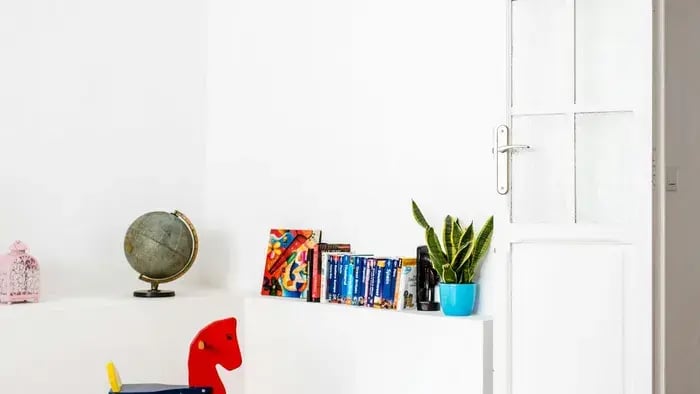
Choose sturdy furniture that fits the room and serves a clear purpose. Beds with drawers, desks with storage and stackable organisers can make better use of limited space.
Avoid placing heavy objects where a child could pull them down, and anchor furniture that could tip.
Divide the Room Into Zones
Create separate areas for sleeping, playing, reading and studying when space allows. In a smaller room, a single area can serve several purposes at different times.
For example, a desk can work for homework, drawing and crafts, while a storage bench can provide seating and toy storage.
Pay Attention to Storage
Children often accumulate toys, clothes, books, school supplies and craft materials. Baskets, labelled bins, drawers and shelves can make these belongings easier to organise.
Keep heavier items on lower shelves and secure tall storage units to the wall.
Make the Décor Simple but Playful
Use removable artwork, colourful cushions, washable rugs, posters, photographs and rotating displays to add personality without permanently changing the room.
A small display board can provide space for drawings, school projects or photographs. Keep wall-mounted items securely installed and away from areas where children may climb.
Make It Safe for Kids
Safety features should be part of the design from the beginning. Secure furniture, keep windows and cords safe, protect accessible electrical points where appropriate and maintain clear walkways.
Avoid placing beds or other climbable furniture next to accessible window-covering cords.
Install the Right Lighting
Use general room lighting along with task lighting for reading or studying. A soft night-light can be useful if a child needs low lighting at bedtime.
Keep lamps, chargers and electrical cords positioned where children cannot easily pull them down or trip over them.
Budget-Friendly Updates
You do not need to redesign the entire room to give it a fresh look.
- Repaint one wall or use removable wall decals.
- Add washable cushions, rugs or curtains.
- Use baskets and labels to organise toys and books.
- Display children's artwork using removable frames or clips.
- Rotate toys and decorations instead of buying new items frequently.
- Replace bedding or posters as the child's interests change.
- Reuse sturdy furniture by changing handles, storage arrangements or accessories where appropriate.
Conclusion
Good kids bedroom design ideas combine safety, comfort, storage and flexibility. Start with secure furniture, safe windows and clear walkways, then create practical zones for sleeping, playing, reading and studying. Use removable décor and involve your child in age-appropriate design choices so the room can change as their needs and interests develop.
Frequently Asked Questions
How should a kids bedroom be designed?

A kids bedroom should prioritise safe furniture, comfortable sleep, clear walkways, accessible storage and suitable areas for play, reading or study.
What safety features should a child’s room have?
Secure furniture to walls, use safe window coverings, protect electrical points where appropriate, keep cords inaccessible and maintain clear walkways.
How can a small kids room include storage and study space?
Use under-bed storage, wall shelves, labelled baskets and a compact desk with built-in storage to combine functions without overcrowding the room.
How can a bedroom grow with a child?
Choose adaptable furniture, neutral or removable décor and flexible storage that can be rearranged as the child's age, interests and school needs change.
Her love for storytelling began with reading her grandfather’s speeches, where Tarishi saw the power of words in creating lasting memories. Combining her passions for food and writing, she has turned her life into a fulfilling path of sharing stories that celebrate flavours and how food brings communities together.
The views expressed are that of the expert alone.