



 Parenting Guide


 Child Health & Growth


 Learning & Skills Development


 Food & Nutrition


 Bournvita




Introduction

Vitamins and minerals work very differently for kids than calories or protein. A child might eat enough to feel full but still lack the nutrients their body needs to perform certain functions. Vitamin A helps kids see in the dark, zinc helps heal wounds, and potassium helps keep muscles firing properly. And none of this is experienced as hunger. That’s why the gaps go unnoticed for so long.
A child eating the same five meals again and again could be missing an entire nutrient group without realizing it. It’s not so much eating “more” as it is eating more types of foods over the course of a week. Two kids can eat the same number of calories and have very different nutrition profiles, depending on what is on that plate.
What Are Vitamins?
Many parents are familiar with many types of vitamins. Vitamins are majorly focused on one function of the body, especially supporting organs. Vitamins enhance the body's strength and quality of endurance by protecting different organs such as eyes, kidneys, lungs, and even bones. Keep reading to know more about vitamins.
Vitamin A
Vitamin A is important for vision and for the health of skin and mucous membranes. Carrots, sweet potatoes, and pumpkins provide beta-carotene, which the body converts into vitamin A as needed. Found in dairy and egg yolks. Lack of long-term care can also mean kids take longer to recover from injuries or have more frequent minor infections.
Vitamin B
B vitamins are a group of several different compounds, each of which takes care of a different part of energy metabolism and nerve function. This group is well covered by the whole grains, eggs, and legumes. It’s well before anything more serious that a deficiency in any one of the B vitamins can cause fatigue, irritability, or poor concentration.
Vitamin C
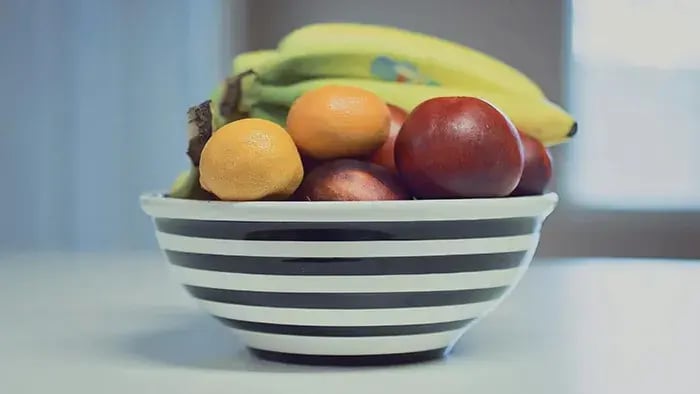
Vitamin C helps form collagen, which can directly affect the health of skin, joints, and blood vessels. It also boosts the body's ability to absorb iron from plant-based foods eaten in the same meal. Citrus fruits, guava, and bell peppers are some of the richest sources.
What Are Minerals?
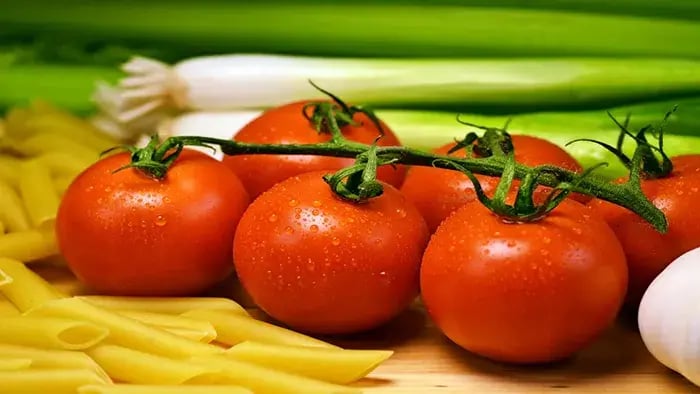
Minerals are a component of micronutrients, which are essential for children to gain stamina and strength. Minerals help the body with core functions such as oxygen supply and many others. Minerals also play a vital part in supporting strength by protecting children's immunity. Here are a few minerals which are essential for the body.
Zinc
Zinc directly supports wound healing and immune cell function. The first sign of low levels is slower recovery from minor illness. It is provided by meat, seeds, and legumes. Plant sources are not absorbed as efficiently as animal ones. Prolonged zinc deficiency in particular, has been associated with delays in growth in children.
Magnesium
Magnesium supports muscle and nerve function and cellular energy production. Whole grains and leafy greens are often good sources, as are nuts. Muscle cramps or restlessness, particularly at night, are the most common signs of low magnesium levels in children.
Potassium
Potassium controls fluid balance and helps muscles work normally, especially the heart muscle. Bananas, potatoes, and yogurt are all good sources. Getting enough of it helps keep your energy up during a workout and can help to prevent muscle cramps while you're exercising.
What Is a Balanced Diet for Kids?
A balanced plate should have about four categories on most meals: a fruit or vegetable, a protein source, a whole grain, and dairy or a dairy alternative. A dal, rice, a vegetable sabzi, and a small bowl of yogurt, eaten at lunch, sort out all four without much planning. Structure trumps any one "superfood." No single ingredient will provide all the nutrients a child needs. You fill the gaps that repetition alone would leave open by rotating the specific foods that fill each category week to week.
Vitamin D and Iron: Other Key Nutrients for Kids
Vitamin D is not in food; it is produced by the body when exposed to the sun and helps to absorb calcium, which is needed for healthy bone growth. Iron is needed to carry oxygen in the blood, and low levels can cause tiredness and poor concentration before kids are diagnosed with anemia. Both are nutrients that are often lacking in the diet of children who eat a limited variety. You can fill the holes in your kid’s daily diet with fortified milk, lentils, leafy greens, and fatty fish.
Conclusion
There is no single food that can provide all the nutrients a growing child needs. As you rotate fruits, vegetables, proteins, and grains during the week, most gaps are filled in naturally. It's a diverse dish that really allows for balanced eating, better than any single "healthy" ingredient.
Frequently Asked Questions
What vitamins are most important for a child's immune system?

Vitamin A, vitamin C, and zinc all have a role in immune defense. The three together cover protection from barriers, response to infection, and speed of recovery.
What are signs of vitamin or mineral deficiency in kids?
Symptoms include tiredness, slow wound healing, frequent minor illness, and poor concentration. These often appear long before any physical symptom is visible.
Smriti is a content writer who creates clear, practical, and informative content backed by science and relevant data. With a strong understanding of structured writing, she breaks down complex topics into simple, actionable insights. Her work is focused on helping readers prepare, learn, and grow with confidence and clarity.
The views expressed are that of the expert alone.
Popular Topics