



 Parenting Guide


 Child Health & Growth


 Learning & Skills Development


 Food & Nutrition


 Bournvita




Introduction
8 Exercises for Healthy Lungs to Support Healthy Lung Function in Kids
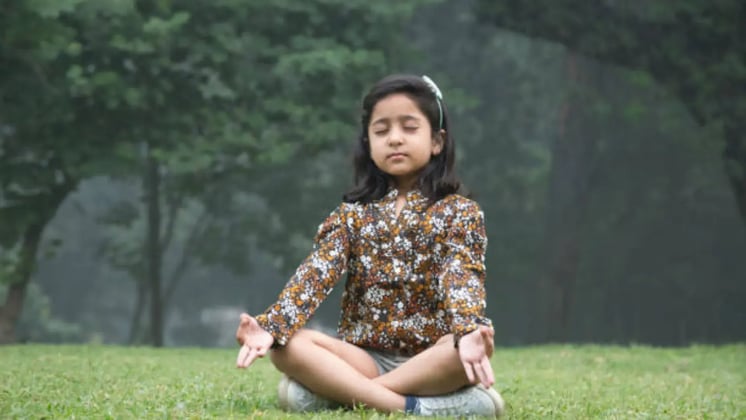
While fitness for children is important for overall well-being, this guide looks at exercises for healthy lungs that help children build stronger breathing muscles, and improve stamina. When kids stay physically active, their heart and lungs work harder to deliver oxygen throughout the body. Regular activity also strengthens the diaphragm and the muscles between the ribs, which makes breathing easier and more efficient over time.
Simple breathing exercises for children, along with fun physical activities, can improve lung capacity, boost endurance, and support long-term respiratory health. Along with their play sessions and exercises, it is extremely important to include lung exercises and breathing exercises for children in their daily routine. These exercises help children stay active, breathe better, and enjoy healthier growth.
Benefits of Healthy Lung Function in Children
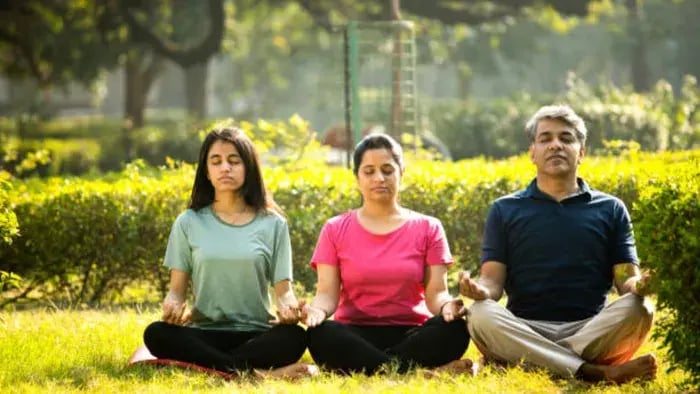
Healthy lungs support a child's physical, mental, and overall development. Here are some key benefits:
Better Overall Health
Healthy lungs deliver enough oxygen to every part of the body. This supports energy production, brain development, tissue growth, and overall well-being.
Improved Physical Performance
Children with stronger lungs can run, swim, play sports, and stay active longer without tiring as quickly. This encourages a healthy and active lifestyle.
Stronger Immunity
Healthy lungs help filter dust, germs, and other harmful particles from the air. This lowers the risk of respiratory infections and supports a stronger immune system.
Better Focus and Learning
The brain needs a steady oxygen supply to work efficiently. Good lung function improves concentration, memory, and learning, helping children perform better in school.
Reduced Risk of Respiratory Issues
Maintaining good lung health from an early age may lower the risk of breathing problems such as asthma, bronchitis, and other respiratory conditions.
Improved Sleep Quality
Children who breathe comfortably during sleep are more likely to enjoy restful sleep, which supports healthy growth, recovery, and overall development.
8 Exercises to Support Healthy Lung Function in Kids
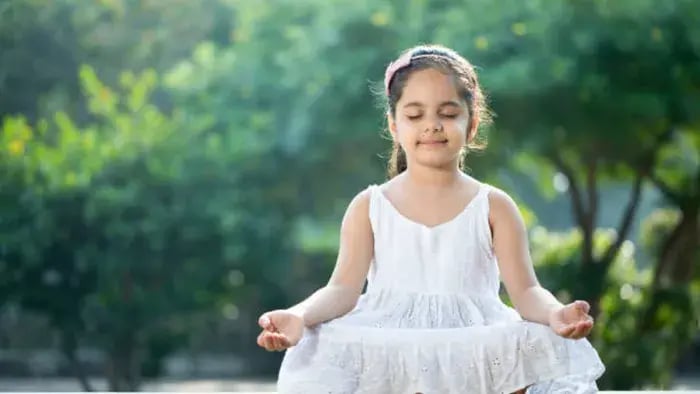
These simple and enjoyable activities can help strengthen your child's lungs and breathing muscles.
Deep Breathing
Ask your child to sit comfortably, breathe in slowly through the nose, hold the breath for a few seconds, and then exhale gently through the mouth. Repeat 5–10 times. This exercise expands the lungs and improves oxygen intake.
Blowing Bubbles
Blowing bubbles is a fun way to strengthen breathing muscles. Using a bubble wand encourages slow, controlled breathing while improving lung function.
Balloon Blowing
Inflating balloons requires controlled breathing and strengthens the diaphragm. It also helps increase lung capacity in an enjoyable way.
Singing
Singing encourages slow, controlled breathing and helps improve lung capacity. It's a fun activity that also promotes good posture, which supports healthy breathing.
Physical Activities
Activities like running, swimming, cycling, skipping, and outdoor games naturally improve heart and lung fitness. Choose age-appropriate activities that your child enjoys to keep them active every day.
Pursed Lip Breathing
If your child becomes slightly breathless during activity, teach them to inhale through the nose and slowly breathe out through pursed lips, as if blowing out a candle. This helps keep the airways open longer and improves breathing efficiency.
Yoga
Kid-friendly yoga poses such as Cat-Cow, Child's Pose, and Cobra Pose gently stretch the chest and strengthen breathing muscles. Pair these poses with slow breathing for added benefits.
Straw Breathing
For this exercise, fill a glass with water and ask your child to blow bubbles through a straw. The gentle resistance helps strengthen respiratory muscles and improves breath control.
When to Consult a Doctor About Your Child's Breathing
While these exercises support healthy lungs but should not replace medical care. Consult a doctor if your child:
- Has frequent wheezing or persistent coughing.
- Often feels short of breath during normal activities.
- Complains of chest tightness or pain while breathing.
- Has repeated chest or lung infections.
- Has asthma or another diagnosed respiratory condition and develops worsening symptoms.
A healthcare professional can identify the cause and recommend the right treatment and exercise plan.
Conclusion
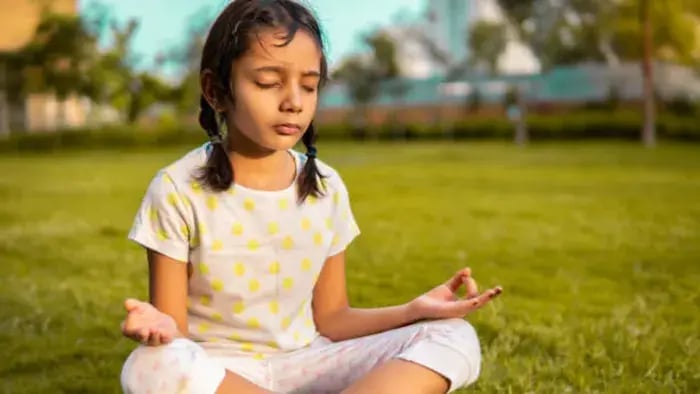
Adding fun exercises for healthy lungs to your child's daily routine can improve breathing, fitness, and overall health. Simple activities like deep breathing, singing, yoga, and active play strengthen the lungs while making exercise enjoyable. Along with regular physical activity and a healthy lifestyle, these habits help children develop stronger respiratory health that benefits them for years to come.
Frequently Asked Questions
1. At what age can kids start doing breathing exercises?

Most children can begin simple breathing exercises from around 3–4 years of age with adult guidance. Keep the activities playful and age-appropriate.
2. How often should kids practice lung-strengthening exercises?
Simple breathing exercises can be practiced for 5–10 minutes daily, while regular physical activity for at least 60 minutes a day helps maintain healthy lungs.
3. Can breathing exercises help children with asthma?
Breathing exercises may support better breathing control, but they should only be used alongside the treatment plan recommended by your child's doctor.
4. Which outdoor activities are best for improving lung health in kids?
Running, swimming, cycling, skipping, football, badminton, and other active games help improve lung capacity and overall fitness.
5. Can blowing bubbles and balloons really strengthen the lungs?
Yes. These activities encourage slow, controlled breathing, strengthen the breathing muscles, and make lung exercises enjoyable for children.
The views expressed are that of the expert alone.
Popular Topics