


 Parenting Guide


 Child Health & Growth


 Learning & Skills Development


 Food & Nutrition


 Bournvita




Introduction
Introducing kids to yoga at an early age can be a wonderful gift, setting them up for a lifetime of health and well-being. These gentle, fun yoga poses offer children an enjoyable way to stay active while also improving their physical strength and flexibility. Through these simple yet effective exercises, kids can pick up valuable skills for managing stress, improving posture, and cultivating inner calm - whether they practice yoga in class or as part of a family routine.
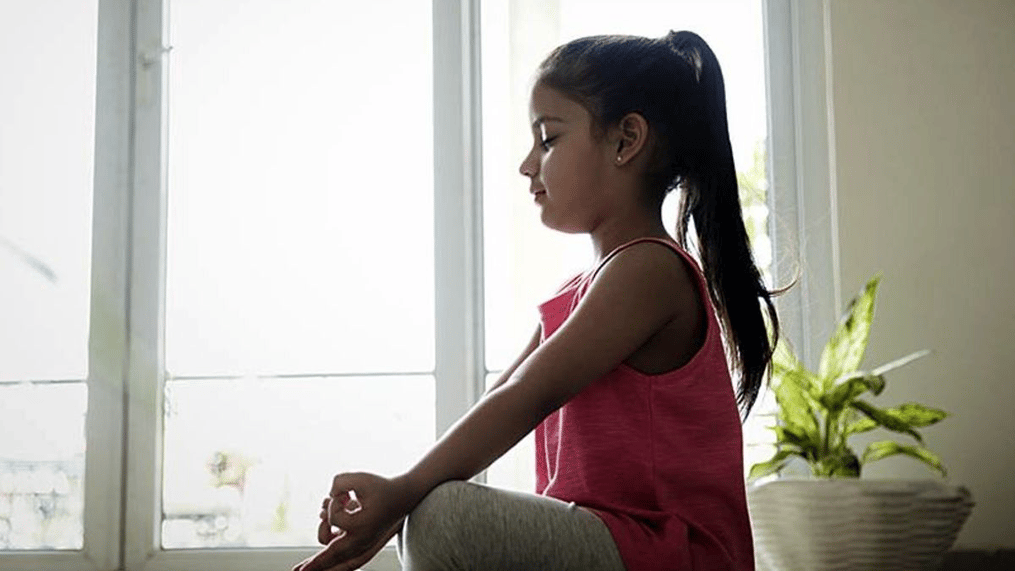
Yoga is an incredible tool for young, growing bodies and minds. The physical postures, or "asanas," help build muscle tone, balance, and coordination, while the breathing techniques and meditation aspects teach vital lessons about focus, patience, and self-regulation. Even just 10-15 minutes of daily practice can have a profoundly positive impact, allowing kids to channel their natural energy in a healthy, constructive way.
Why Yoga Is Good for Toddlers
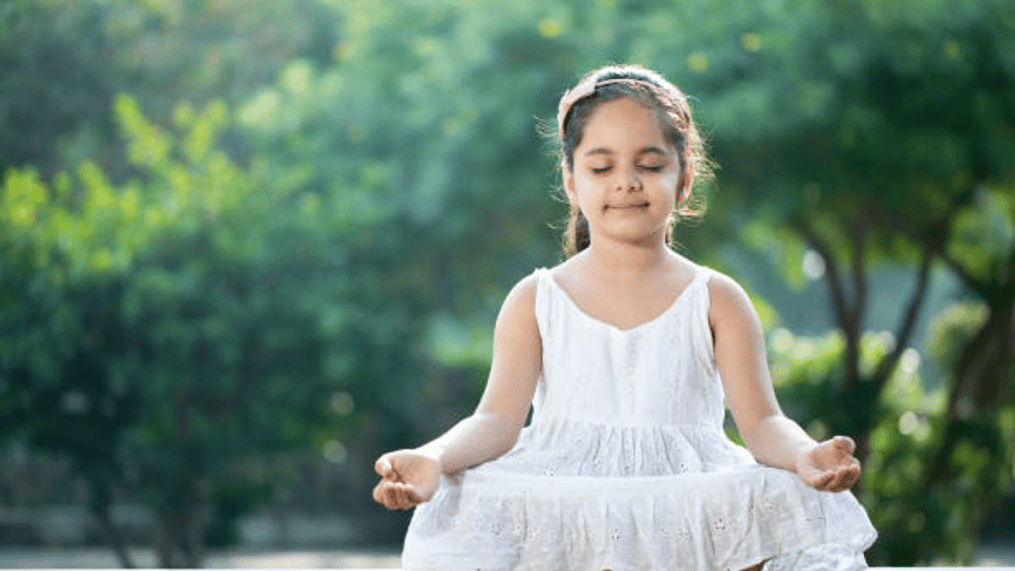
Supports physical growth
It’s movement that lays down the foundational motor patterns on which all further physical competence is built in toddler bodies. Yoga exercises offer a systematic exploration of movement leading to muscular coordination, joint mobility, and body awareness.
Builds balance and coordination
Walking, running, and climbing require the development of balance and coordination in the nervous system, and toddlers are actively involved in this process. Yoga poses for kids challenge these developing systems with one-legged stances, reaching motions, and subtle shifts of body weight on surfaces. The more your kid succeeds at balancing, the more that neural pathway is reinforced, and the more that all future physical activities depend on this as a base.
Helps toddlers manage energy calmly
Toddlers have lots of physical energy that needs to be channeled in constructive ways through structured movement activity. This is a soothing effect that rhythmic breathing combined with slow intentional movement, can have on children at this age. Children who regularly do yoga, compared to their peers who don’t engage in structured physical activity, show measurably better emotional regulation and transition management.
Benefits of Yoga for Toddlers
Improves Gross Motor Development
Toddler yoga builds the large muscle groups and full body movement patterns that support gross motor milestones and healthy physical development. Crawling, jumping, squatting, and reaching stimulate the motor pathways that are used for voluntary physical control over the following years.
Builds Fine Motor Skills
Writing, drawing, and self-care tasks eventually require fine motor control, which is developed by pressing palms together, spreading fingers wide, and holding feet with hands. Toddler yoga exercises include hand and finger movements that are physically demanding to build the dexterity and strength these small muscle groups need. Yoga practice improves fine motor skills, which heighten readiness for the manual tasks that early school and preschool learning require.
Enhances Flexibility and Balance
The flexibility exercises kids do with yoga help prevent muscle tightness that can start to build up in kids as young as toddlers from sitting and screen time. Gentle hip openers, forward bends, and side stretches preserve the natural flexibility of toddlers while developing the dynamic balance that their rapidly developing nervous systems specifically need. Both increased flexibility and balance translate directly into safer, more confident physical movement in all of your toddler’s daily activities.
Supports Emotional Regulation
Slow breathing with gentle movement regularly promotes physiological calming, which is helpful for toddlers experiencing big emotions. Yoga benefits for children at this phase of development include the development of the capacity for nervous system regulation, which is key to tantrum management and transition management. Regular practice of yoga helps children to develop emotional flexibility just as it helps them develop physical flexibility.
Encourages Focus and Calmness
Toddlers have short attention spans, but practicing gentle yoga helps increase their ability to sustain attention beyond current developmental levels. Five minutes of animal-pose play, with a focus on the task, develops greater capacity for attention than five minutes of passive screen entertainment, according to measurable neural development. Practicing yoga with toddlers fosters a sense of calm, reflected in improved sleep transitions, reduced separation anxiety, and calmer responses to daily frustrations.
Makes Physical Activity Fun
Fun yoga for kids at the toddler stage leads to positive early associations between physical activity and enjoyment that last throughout childhood. Children who like to move their bodies, rather than seeing it as a job, will develop intrinsic motivation for active habits throughout their lives. The animal themes, sounds, and imaginative aspects of toddler yoga make movement feel like the most fun game there is, rather than structured exercise.
Fun Yoga Poses for Toddlers
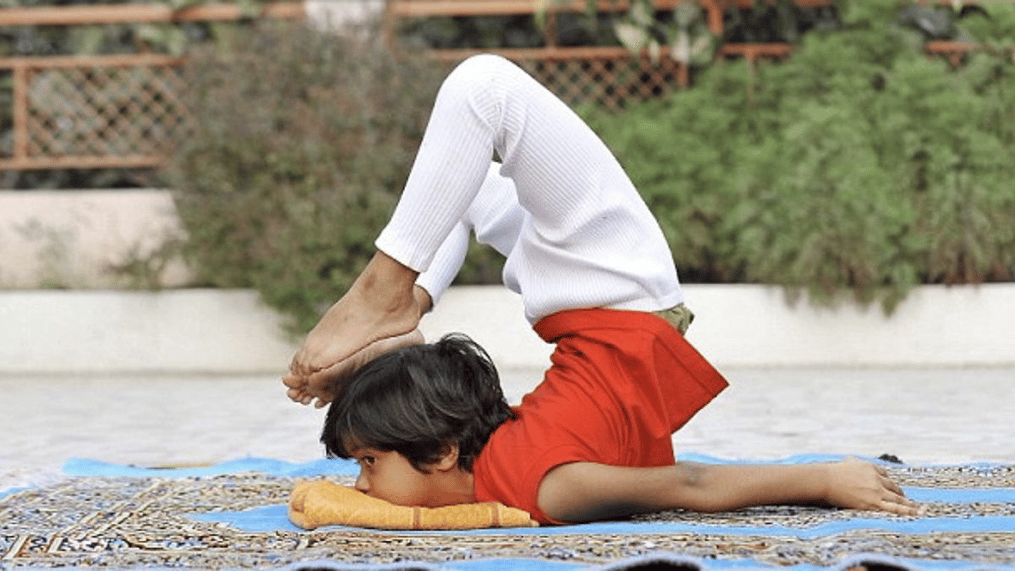
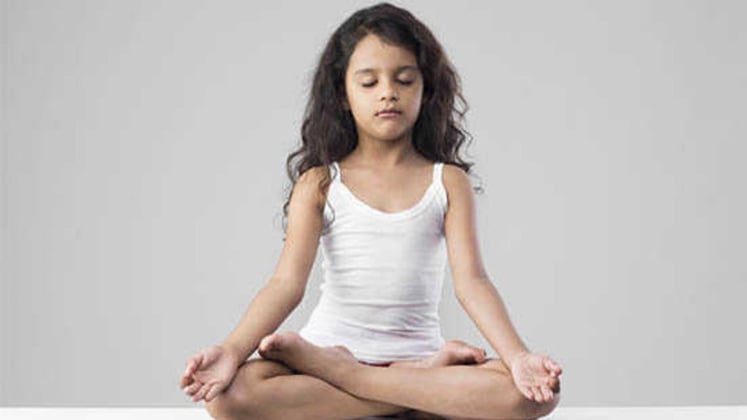
1. Easy Pose – Builds Calm and Posture
Easy pose has the toddler seated cross-legged on the floor with a tall spine and hands resting on the knees. This basic seated position builds the hip flexibility, spinal awareness, and comfortable seated stillness that will be needed down the road for circle time and classroom sitting. The easy pose with three deep belly breaths offers toddlers the simplest self-calming tool available to them through direct experience with their physiology. Consistent ninety seconds in easy pose reduces observable agitation in overstimulated toddlers before transitions.
2. Cobra Pose – Strengthens Back and Spine
The toddler is lying on his stomach, pressing his small hands down on the sides of his shoulders, then pushing himself up, lifting his chest and head in a playful snake rise. Cobra: Strengthens the spinal extensors and opens the chest. This is a posture that toddlers will naturally find fun, since it resembles their spontaneous floor exploration behavior. The hissing sounds during the pose give the sensory playfulness that keeps toddlers hooked beyond the physical duration of the pose. This simple yoga pose builds the spinal strength that healthy sitting and walking posture depends upon throughout development.
3. Cat Pose – Improves Spine Flexibility
Get the toddler on hands and knees, then round the spine to the ceiling on an exhale. This gentle spinal flexion releases lower back tension and creates the spinal mobility that growing bodies need for healthy physical development. The toddler’s natural vocal expressiveness is engaged through loud meowing in the pose, while breath-movement synchronization, which is what yoga develops in particular, is reinforced. Cat and cow is a flowing pair that develops spinal mobility and breath awareness, which are the foundation of all subsequent yoga practices.
4. Child’s Pose – Helps Relax the Body
In Child’s Pose, the toddler is folded forward from a kneeling position, arms extended out in front or resting gently by the body. This rest pose gently stretches the lower back, hips, and thighs and sends signals of physical and psychological safety to an overwhelmed nervous system. When toddlers learn to find child’s pose when emotions are escalated, they get one of the most accessible self-regulation tools any child has. It is the most accessible calming yoga pose that can be used in any setting without instruction or guidance from an adult.
5. Tree Pose – Builds Balance and Focus
Tree pose is with one foot on the opposite ankle or calf instead of the inner thigh, as required for adult tree pose. This age-appropriate adaptation allows the toddler to participate in a single-leg balance challenge at a developmentally appropriate difficulty. It is the mental stillness part that makes the development of the tree pose complete and this is achieved by bringing the hands together at the chest and looking at a fixed point. The fact that there is a wobble, a fall, and a return to the pose is proof of neural adaptation and that the balance training needs to happen.
6. Frog Pose – Strengthens Legs and Hips
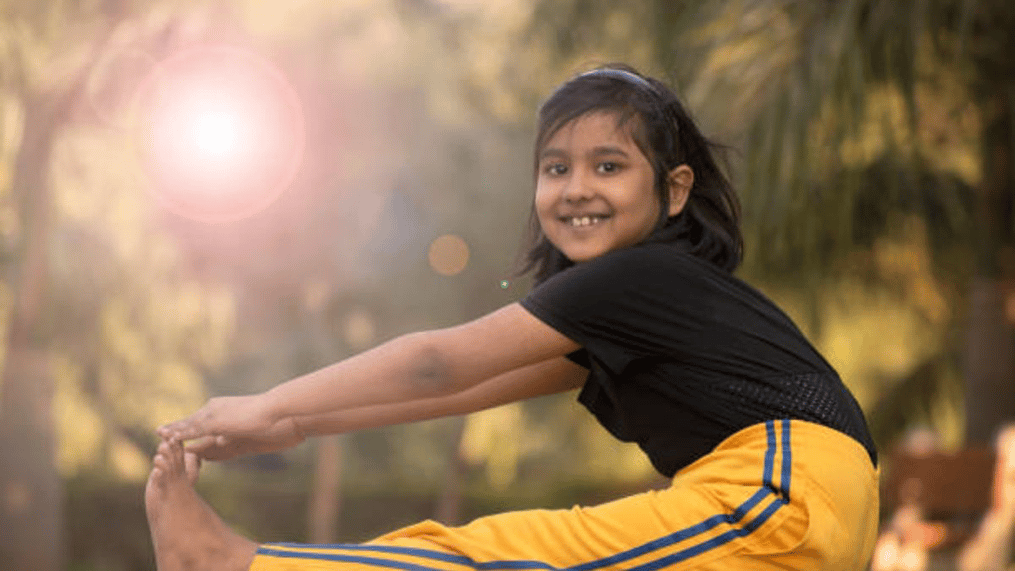
Squat low in frog position, feet wide and flat on the floor, hands pressing against the floor between feet. This position develops hip flexor flexibility, inner thigh strength, and the deep squat mobility that toddlers have naturally but lose bit by bit through increasing amounts of chair sitting in childhood. Ribbits and jumps between squat holds provide the playful, energetic engagement toddlers crave to stay engaged throughout the pose sequence. Frog pose helps build leg and hip strength that supports confident, active movement that is necessary for healthy toddler physical development.
More Easy Yoga Poses for Toddlers
Butterfly Pose
Gentle seated hip stretch, soles of feet together, opening inner thighs. Butterfly. Throughout the hold, the toddlers flap their knees like butterfly wings to keep the engagement. This simple yoga pose for kids is universally accessible regardless of current flexibility or previous movement experience.
Happy Baby Pose
Lie on your back and hold the outside of your feet while your knees come toward your armpits naturally. This position is natural for toddlers, as it closely resembles their spontaneous positions of exploration during floor play. Gentle side-to-side rocking provides a calming vestibular input, which further calms an activated nervous system.
Downward Dog Pose
In downward dog, the feet and hands form an upside-down V, hips lifted and heels pressing toward the floor. This kids' yoga pose stretches the hamstrings and calves and builds the shoulder and arm strength that comes from crawling and climbing. The barking sounds in the pose provide the imaginative engagement toddlers need to willingly and joyfully participate.
Lion Pose
In the lion pose, kids sit on their heels, spread your fingers wide like paws, and let out a forceful exhale with their tongue out expressively. The dramatic facial expression and loud exhale release physical tension from the face, jaw, and throat at the same time. The lion pose is always funny to toddlers. This positive emotional association with yoga practice is what will carry through all future voluntary participation.
Mountain Pose
Mountain pose teaches toddlers to stand tall with even weight distribution, calm breath, and a focused gaze ahead. This base position develops a sense of body, of verticality, and of the stillness in standing that conscious physical control requires of a growing child. Five minutes of unstructured standing activity through passive experience will develop less body awareness than one to two minutes of mountain pose through three conscious breaths will.
Animal Yoga Poses for Toddlers
Animal yoga engages toddlers through familiar animal identities, making each pose immediately memorable and enthusiastically repeatable. Cat pose rounds the spine with meowing sounds, cobra rises from the floor with hissing expressiveness, and frog squats with ribbiting and jumping between repetitions. Butterfly flaps its wings with seated knee movement, lion releases tension through roaring, exhales with dramatic paw-spread hands. Each animal pose targets a specific physical benefit, while the creature's identity provides the imaginative context that toddlers require for sustained engagement across any structured activity.
Beginner Yoga Routine for Toddlers
5-Minute Toddler Yoga Routine
Start with 3 breaths in mountain pose, flow through cat and cobra, add in frog squats with jumps, and finish in child's pose. This 5-minute sequence addresses spinal flexibility, back strength, leg strength, and calming the nervous system all in one accessible daily practice. Five consistent minutes every day are more developmentally beneficial than thirty sporadic minutes of practice without routine consistency.
10-Minute Fun Yoga Routine
The five-minute routine can also include tree pose balance, butterfly hip opening, and happy baby relaxation. Include two or three animal sounds for each corresponding pose to maintain the playful engagement that keeps toddlers in the game longer. Finish by sitting in Easy Pose and taking two to three slow belly breaths, a calming way to close the session.
Family Yoga Routine at Home
The most powerful motivational context for consistent participation over weeks is parent-and-toddler practice together. When toddlers see parents wobbly and laughing, trying poses without self-consciousness, they get the permission to imperfectly participate in what real learning needs. Daily practice of family yoga routines for kids consistently gives shared physical activity memories and the developmental benefits each pose provides individually.
How to Make Yoga Fun for Toddlers
Use animal sounds
The animal sound for that creature when kids hold the pose makes the engagement level even higher for each animal pose. Sounds are activated at the same time as the voice, the breath, and the imagination, and reinforce the pose identity that makes sequences memorable for toddlers.
Add storytelling
A simple guided story that links poses into a coherent animal adventure keeps toddlers' attention five times longer than instruction-based sequencing. The story context provides the meaning of the individual poses, which is absent when the poses are practiced in isolation, and which young children need to be able to engage in imaginative play.
Keep sessions short
Realistically, the sustained attention span for structured yoga activities for kids in the toddler age group is 3 to 7 minutes. Sessions that end while the toddler is still engaged elicit the “again, again” response, which supports voluntary daily participation.
Practice with music
The rhythmic music provides an external cue for timing that helps the toddlers to synchronize movement with breath more naturally than verbal counting instruction alone. Familiar children's songs reworked to fit yoga movement themes add another playful element to an already playful practice.
Avoid perfection
The cobra that barely lifts its head is the perfectly correct cobra for that child at that stage of development, a toddler’s cobra. An imperfect form impairs physical benefit far less than the correction of posture details in toddler practice impairs the enjoyment that sustains all future participation.
Safety Tips for Toddler Yoga
Supervise every pose
With toddlers, parents must be present with their child during practice because their judgment and balance are developmentally limited, and so is their ability to communicate pain. Unsupervised toddler yoga, balance poses, and getting up from the floor are all injury risks that simply having an adult there can totally eliminate.
Avoid forceful stretching
Although the tissue is highly flexible, connective tissue and joint structures in toddlers are more prone to overstretching than those in adults. The safest and best results always come from gentle encouragement to take things easy rather than any physical forcing to go deeper.
Use a soft mat
Toddler balance attempts and floor transitions need a non-slip yoga mat or carpeted surface for safety, offering the cushioning and stability required for safe practice. Soft surfaces (the right type of friction) completely eliminate the risk of slipping on hard floors when polished during standing poses.
Keep poses short
Most toddler yoga poses are developmentally appropriate for three- to five-breath holds, not the longer holds usually practiced by adults. Shorter’s keeps away the muscular fatigue and attention drain that undermine both safety and fun in the session.
Stop if the child feels discomfort
If you see any verbal or behavioral sign of discomfort, stop the pose right away and then figure out if your kids want to keep going. Physically uncomfortable yoga for toddlers leads to avoidance that outweighs any developmental benefit of a one-time session.
Common Mistakes Parents Should Avoid
Making yoga too serious
A silent, correction-focused toddler yoga class undermines the activity's core developmental purpose. Laughter, creative animal expression, and imaginative engagement are the healthy indicators of participation, not discipline failures that need correcting.
Expecting stillness for too long
Toddlers cannot sit still physically for more than a few seconds without real developmental conflict. Longer stillness sessions foster resistance, misery, and negative associations with yoga that playful movement-based formats absolutely avoid through appropriate developmental matching.
Forcing difficult poses
Even if you introduce adult poses that require advanced flexibility, strength, or balance too early, it poses a risk of injury and discourages participation. In fact, age-appropriate poses with animal names and simple modifications are far more beneficial for toddler development than technically challenging adult poses that are poorly modified for small, developing bodies.
Skipping warm-up movement
Even toddler yoga benefits from two to three minutes of simple jumping, shaking, and free movement before structured poses begin. The warm-up movement raises core temperature and stimulates the nervous system, providing the physical activation needed to make the following structured poses safer and more beneficial for developing bodies.
Conclusion
Yoga for toddlers needs to be the best game around, not a chore of doing structured exercise. Short, fun yoga routines for kids' sessions that use animal sounds, storytelling, and parental participation offer the developmental benefits of consistent, joyful movement. Introducing toddlers to fun yoga for kids early on helps develop the strength, flexibility, balance, and emotional calm that provide the foundation for healthy development at every stage that follows.
Frequently Asked Questions
What are the best yoga poses for toddlers?

The most developmentally appropriate and engaging fun yoga poses for toddler-aged children are cobra, cat, frog, tree, butterfly, and child's pose.
Is yoga safe for toddlers?
Easy yoga poses for kids, tailored for toddlers, are completely safe with adult supervision. Poses should always feel comfortable and playful throughout practice, not forceful or uncomfortable for this age group.
How long should toddlers do yoga?
Three to seven minutes of yoga activities for kids at the toddler stage provide developmental benefits without exceeding their realistic attention span. It’s better developmentally to have short sessions every day than longer sessions every once in a while in a given month.
Can yoga help toddlers calm down?
Yoga has measurable benefits for toddlers, including calming the nervous system through parasympathetic activation, which slow breathing with gentle movement consistently produces.
What are fun animal yoga poses for kids?
Animal yoga poses for kids that toddlers universally enjoy include frog with ribbiting and jumping, cobra with hissing and floor rising, cat with meowing and spine arching, butterfly with wing-flapping knee movement, and lion with roaring, tongue-exhale, and dramatic paw-spread fingers.
Her love for storytelling began with reading her grandfather’s speeches, where Tarishi saw the power of words in creating lasting memories. Combining her passions for food and writing, she has turned her life into a fulfilling path of sharing stories that celebrate flavours and how food brings communities together.
The views expressed are that of the expert alone.
Popular Topics