



 Parenting Guide


 Child Health & Growth


 Learning & Skills Development


 Food & Nutrition


 Bournvita





Introduction
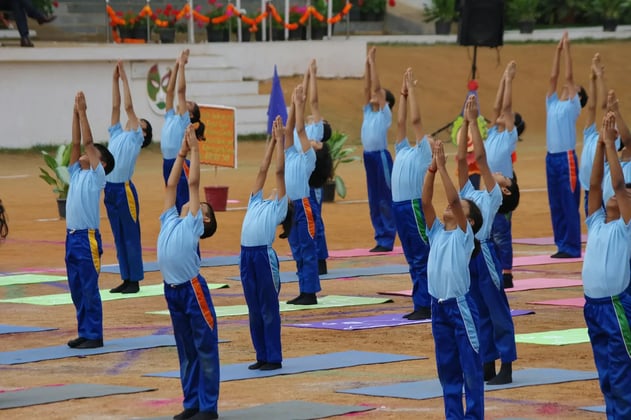
Yoga is one of the most comprehensive developmental tools available to children today. Through practice it develops strength, flexibility, and emotional balance at the same time. Today’s children are exposed to screens, academic pressure, and less physical activity on a daily basis. These pressures result in developmental gaps that traditional sports alone cannot fully fill.
Kids' yoga provides a structured, but playful, response to these growing challenges. Instead of competitive sports, yoga develops inner awareness as well as outer physical competence. With regular practice, children develop their breathing, balance, and emotional regulation. The benefits of yoga extend beyond the mat, to the classroom, and to friendships and family life.
More and more Indian families are seeing yoga as a developmental practice rooted in culture. It covers benefits, poses, routines, activities, safety, and common parental mistakes in detail. Each section addresses a particular developmental need that children are facing today.
What Is Yoga for Kids and Why Is It Important Today?
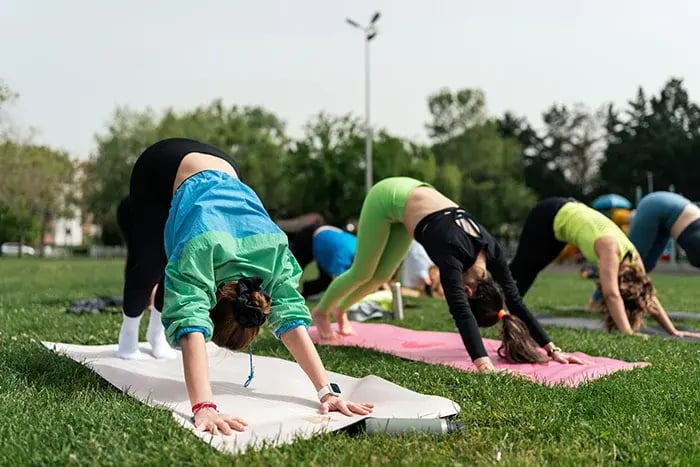
Yoga is a disciplined practice involving physical poses, controlled breathing, and focused awareness. For children, it develops body control, mental calm, and self-regulation skills. Kids don't need any equipment, any facility, or any competitive pressure. On average, Indian kids spend three to five hours a day on screens. Yoga exercises offer the movement, mindfulness, and physical correction that screens displace entirely. Yoga is a self-paced activity; sports involve teams, equipment, and competitive performance. Children progress without pressure, comparison, or elimination in athletic performance. Yoga develops the physical and psychological qualities upon which all other activities essentially depend.
Key Benefits of Yoga for Kids
Builds Physical Strength and Muscle Endurance
Yoga exercises require children to support their body weight in static poses. All three—plank, downward dog, and warrior pose—directly build functional, full-body strength. Regular physical activity, including yoga, significantly decreases childhood obesity. Yoga for kids, as stretching exercises, also improves the muscle endurance required to perform day-to-day physical activities effectively.
Improves Flexibility and Mobility
Yoga poses stretch tight muscle groups that sedentary children develop from sitting long periods of time. Gentle stretching of the hip flexors, hamstrings, and spinal muscles on a regular basis can be helpful. Yoga flexibility exercises for children reduce the risk of injury in all the other physical activities children do. Improved mobility benefits our posture, coordination, and quality of our daily movements—all in one go.
Enhances Balance and Coordination
Single-leg postures, such as tree pose and warrior III, directly build children’s proprioceptive awareness. The constant challenge of balance makes the nervous system learn fast postural corrections. Regularly attending yoga classes develops breath, movement, and focused gaze coordination. Children who regularly practice yoga have better balance in any physical education setting.
Supports Mental Well-Being and Reduces Stress
Yoga benefits for mental health work by triggering the parasympathetic nervous system that controls breathing. Yoga practice leads to measurable reductions in cortisol levels in school-age children. Yoga-based interventions significantly reduce anxiety scores in Indian children. Kids who practice consistently show consistently calmer emotional responses to stressful situations.
Boosts Focus, Concentration, and Academic Performance
Holding a yoga pose requires sustained attention, the same kind of concentration needed for classroom learning. Yoga builds present-moment awareness that translates into a quantifiable increase in academic focus. Yoga and other mindfulness-based activities can improve concentration in school children.
Encourages Emotional Stability and Self-Confidence
Kids learn to sit with the physical discomfort of challenging poses and not give up. This builds emotional resilience, patience, and the grit that tough situations call for. Self-confidence is built with every pose mastered, earned through real physical accomplishment. Emotional stability is the result of repeated exposure to challenge, its management, and the calm success of it.
Promotes Healthy Lifestyle Habits from an Early Age
Kids who practice yoga often learn to have a healthy relationship with their own bodies. They discover that health is not the outcome of the occasional hard push but of daily practice. These habits, formed in childhood, persist with very great reliability into adolescence and adult life. A yoga routine for kids learned early is a self-regulation and wellness tool for life.
Best Yoga Poses for Kids (Easy and Beginner-Friendly)
Mountain Pose (Tadasana) – Improves Posture
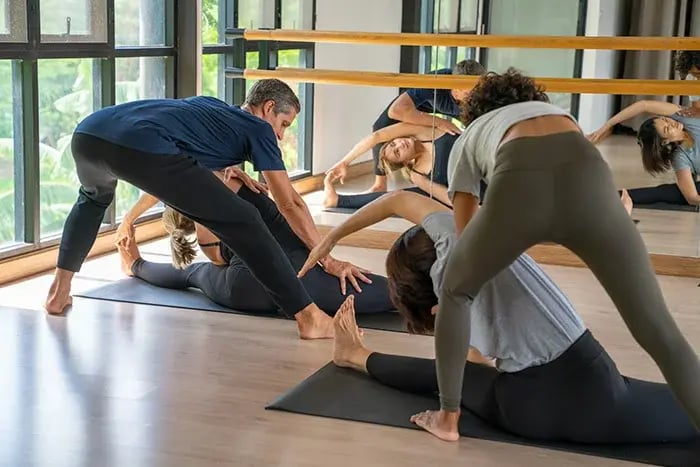
Tadasana helps children to stand straight with equal weight through both feet. This basic yoga pose fixes the slouch that long stretches in front of a screen tend to produce. This deceptively simple standing pose develops the children’s body awareness and alignment consciousness. It’s the beginning of just about every other yoga sequence.
Tree Pose (Vrikshasana) – Builds Balance
Vrikshasana is a balancing pose on one leg with the foot placed on the inner thigh of the standing leg. The single fixed point in front allows children to develop a steady, calm concentration. Through practice, this pose creates strength in the ankles, stability in the hips, and stillness in the mind all at the same time.
Downward Dog – Enhances Flexibility
The Downward Facing Dog stretch stretches the hamstrings, calves, spine and shoulder girdle simultaneously. It effectively opens and strengthens the upper body and core and releases tension from the lower back. This pose is natural and fun for children because it resembles an animal movement pattern. It’s one of the most popular easy yoga poses for kids in formal classes.
Cobra Pose – Strengthens Spine
Bhujangasana directly strengthens the muscles on either side of the spine. It helps counteract the forward rounding posture caused by heavy school bags and screen use. Cobra chest opening increases lung capacity and breathing depth in children. This pose builds the spinal resilience that long hours of sitting consistently erode over time.
Child’s Pose – Promotes Relaxation
Balasana is the universal rest position in yoga asana practice for kids. It’s a gentle bend in the lower back, hips, and thighs, and it also has a soothing effect on the nervous system. This posture helps children learn to recognize their own need to rest. It offers a safe, comfortable home base between more challenging poses in any session.
Bridge Pose – Strengthens Core
Setu Bandhasana works the glutes, hamstrings, lower back, and core all at the same time. Lifting the pelvis off the mat develops the posterior chain strength needed for healthy posture. This counterbalancing hip-opening movement is especially helpful for kids who sit for long periods at school. It builds core stability, the foundation for athletic performance in every sport.
Butterfly Pose – Improves Flexibility
Baddha Konasana opens up the inner thigh and hip adductor muscles with gentle, sustained pressure. Children put the soles of their feet together and let the knees fall out slowly. Here, flexibility in the hips reduces lower back tension and makes sitting more comfortable during study. This is one of the most accessible, easy yoga poses for kids of all ages.
Plank Pose – Builds Strength
Plank pose develops core stability, shoulder strength, and awareness of spinal alignment simultaneously. Progressive development of muscular endurance over weeks by holding ten to thirty seconds. This exercise builds the foundational strength that more advanced poses eventually need. Children who can do plank have much better postural control in all their daily activities.
Beginner Yoga Routine for Kids
5-Minute Daily Yoga Routine
Kids' Yoga Five-Minute Routine Begins in Mountain Pose, Passes Through Downward Dog, Finishes in Child’s Pose. The time investment is small enough to build the habit of consistency that longer sessions require before they feel sustainable. Three to five minutes of practice a day is more effective than thirty minutes once in a while. Over weeks, kids who start with short routines develop real intrinsic motivation.
10-Minute Balanced Yoga Flow
A ten-minute flow joins with a five-minute foundation sequence, adding tree pose, cobra, bridge, and butterfly. Hold each pose for three to five breaths before moving on to the next pose. The sequence starts out standing, moves into floor work, and ends with a relaxing closing pose. This kids' beginner yoga flow works strength, flexibility, and balance in one short session.
Weekend Fun Yoga Routine for Kids
Weekend routines allow for more animal-themed sequences, partner poses, and playful storytelling elements. Family yoga on Saturday mornings fosters positive shared associations with physical activity and mindfulness together. Children practicing yoga with parents show stronger motivation to continue on their own on school days. Sun salutation for kids can be a whole dynamic warm-up sequence for the weekend.
Fun Yoga Activities for Kids
Animal-Themed Yoga Poses
Animal names provide an instant memory hook and fun for young children in yoga poses. The cat, cobra, frog, butterfly, and downward dog all use familiar animal movement patterns. Children naturally mimic animal sounds and postures, providing playful vocal and imaginative participation. Animal-themed yoga poses for kids offer fun and motivation to stay engaged longer than technical instruction alone.
Partner Yoga Activities
Partner yoga is when two children work together on movement, communication, and support at the same time. It builds the trust, cooperation, and social attunement that independent yoga cannot develop on its own. There are many activities that can be done in pairs, such as simple mirroring exercises, back-to-back breathing, and assisted stretches. Partner formats for yoga activities are especially effective in classroom and group settings.
Story-Based Yoga Sessions
Guided yoga stories present sequences of poses woven into imaginative stories that children follow eagerly. For example, a child may pass through a forest as a tree, then as a snake, then as a butterfly, then as a resting animal. Each story sequence poses what otherwise would seem arbitrary to young children. Story yoga captures the attention of 3- to 7-year-olds for much longer than instruction-based yoga sessions.
How to Introduce Yoga to Children
Your first attempt at yoga should be more like imaginative play than regimented exercise. Silly sounds, animal poses, and storytelling take the pressure off kids to perform. Kids who like their first yoga class come back on their own without their parents having to ask them to.
Even a five-minute session at the same time each day, either before school or at bedtime, helps build the habit. The same space, the same mat, tells the child’s nervous system: it’s time for yoga. Routine reduces the activation barrier that makes occasional practice feel effortful and inconsistent.
Children whose parents tag along have more consistency and a better attitude toward kids' yoga. When practiced by the family, yoga becomes a shared value rather than a demand on children.
Yoga Classes vs Home Practice: What Works Better for Kids?
Benefits of yoga classes
Qualified instructors maintain proper alignment, safe modifications, and age-appropriate sequencing throughout. Children who thrive in group settings will enjoy the social interaction with peers that yoga class provides and the motivation to attend. Structured class progression typically builds skills more systematically than unguided practice at home.
Benefits of practicing at home
Kids can practice at home with no transportation, no fees, and no set class time. Children can practice in pajamas for three minutes or thirty without outside expectations. Parents can practice along at home and watch the beginner’s yoga for kids without extra cost.
Hybrid approach
The best developmental outcomes are from one class a week and 5 minutes’ home practice each day. Class provides structured learning and social engagement that can’t be fully replicated by home practice. Practicing at home gives a frequency and consistency that one weekly class can simply not provide.
Safety Tips for Kids Practicing Yoga
Avoid Overstretching
Children are naturally more flexible than adults, and overstretching is a real hazard. The poses should never be painful or feel like a muscle strain, but a gentle release. Instructors should prohibit the inclusion of comparisons of competitive flexibility between children in any session.
Focus on Proper Form
Proper alignment protects joints and allows for the intended muscular benefit of each pose. A child doing downward dog with a rounded spine gets less benefit and more risk. In yoga asanas for children, quality of movement always comes before depth of stretch.
Practice Under Guidance (for beginners)
For instance, new practitioners trying complex inversions or advanced poses without guidance risk injury. A good instructor’s initial direction prevents the habitual compensation patterns of the self-taught beginner. The safe base that independent practice eventually needs is built with beginner yoga sessions under trained supervision.
Use Comfortable Space and Mats
A non-slip yoga mat prevents slipping injuries that come from hard floor surfaces during poses. Sufficient space prevents injuries from colliding in dynamic or partner sequences. “Comfortable clothing that gives a full range of motion takes away the restriction that formal athletic wear sometimes causes.
Common Mistakes Parents Make with Kids Yoga
Expecting perfection
Children’s poses will always look imperfect by adult technical standards and that’s okay. Yoga becomes another performance space with every tiny alignment fault being corrected. Children benefit from yoga through consistent, imperfect practice, not perfect, infrequent attempts.
Making it too serious
The atmosphere of a stiff and silent yoga class defeats the inherent fun that helps kids sustain a yoga practice over the long haul. Healthy engagement is marked by laughter, wobbling, and creative interpretation. Playful yoga consistently produces better results than serious yoga in maintaining children's voluntary engagement for many months.
Lack of consistency
Three sessions in the first week, then three weeks of no practice, will not result in any lasting benefit. Five minutes a day for 30 days straight yields measurably better developmental results. It’s more about repetition over time than the length or intensity of any one session.
Ignoring child’s interest
If a child actively resists yoga even after repeated playful attempts, then provide other options for physical activity. Mandatory participation generates negative associations that persist beyond the session and diminish the likelihood of voluntary participation in the future. Children who select their own physical activity develop intrinsic motivation that programs imposed from the outside rarely maintain.
Conclusion
Yoga is a complete developmental activity for children, balancing physical fitness with mental clarity. Practice regularly to build strength, flexibility, emotional stability, and habits for a lifetime. A child who builds a yoga routine for kids early on carries those skills through every tough life stage ahead.
Frequently Asked Questions
What are the benefits of yoga for kids?

Yoga helps kids to be stronger, more flexible and better at balancing. It also helps them to focus and manage their emotions.
At what age can children start yoga?
Children's yoga is suitable for children aged three and over, as long as programs are specifically tailored for that age group.
How often should kids practice yoga?
Practicing for five to ten minutes a day yields more consistent developmental benefits than practicing for longer periods once a week. Children’s yoga development is more about frequency and consistency than about session duration.
Is yoga better than other exercises for kids?
Yoga complements, not replaces, other types of physical activity in children. It addresses flexibility, breath awareness, and emotional regulation, which are usually missing from sports training, in a unique way.
Can yoga help with child anxiety and focus?
The advantages of children’s yoga for anxiety are derived from the activation of the parasympathetic nervous system by mindful breathing. Focus is enhanced by the sustained attention that consistently demands holding poses and mindful movement.
Deepali is a senior food and wellness writer with over a decade of experience in top media houses, crafting engaging narratives. She is a professional home baker and loves exploring food from every corner of the world to reading cookbooks. She believes a healthy lifestyle is a combination of both mental and physical fitness. Her goal always remains to keep moving, eating seasonal and practicing gratitude.
The views expressed are that of the expert alone.
Popular Topics