



 Parenting Guide


 Child Health & Growth


 Learning & Skills Development


 Food & Nutrition


 Bournvita




Introduction
Gluten is a structural protein found naturally in grains such as wheat, rye and barley, which are common in many Indian meals. For parents, shifting a child to a gluten-free diet can feel challenging, especially when familiar foods such as roti and other wheat-based dishes are part of everyday meals. The key is to choose alternatives that are both enjoyable and nutritionally satisfying. Since children can also be picky eaters, taste, texture and presentation matter when introducing new foods. With thoughtful planning, parents can offer a variety of gluten-free meals and snacks without making food feel restrictive or boring. From naturally gluten-free Indian dishes to simple protein-rich options, there are plenty of choices that can fit into a child's daily routine while keeping meals interesting.
What Is Gluten and Why Do Some Kids Need to Avoid It?
Gluten is a protein found mainly in wheat, rye and barley. Some children may need to avoid gluten because of conditions such as celiac disease, gluten sensitivity or certain wheat-related allergies. For these children, avoiding gluten may be an important part of managing symptoms and supporting their overall well-being.
Parents should remember that a gluten-free diet is not automatically more nutritious. When removing wheat and other gluten-containing foods, it is important to replace them with naturally nutritious alternatives rather than relying heavily on packaged gluten-free products. If you suspect your child needs to avoid gluten, speak with a paediatrician before making major dietary changes.
Gluten-Free Meal and Snack Options for Kids
Here are some simple options parents can consider. Always check packaged ingredients such as sauces, spice mixes and wraps for possible gluten-containing ingredients.
Stuffed Capsicum
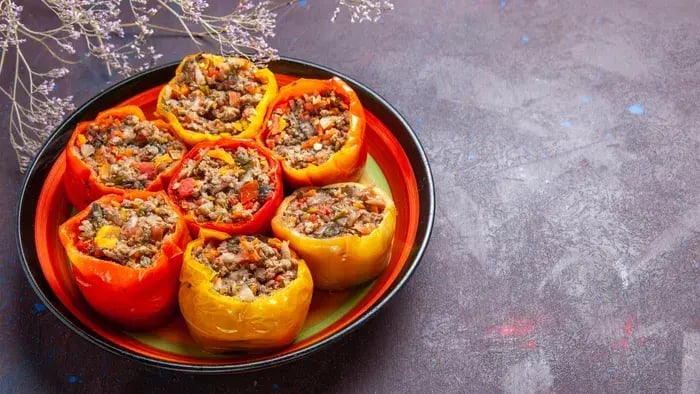
Stuffed capsicum can be a colourful option for children who enjoy cheesy foods. Fill a hollow capsicum with chopped onion, tomato, mozzarella cheese and mild seasoning, then bake until the cheese melts and the capsicum becomes tender. Serve with a suitable gluten-free dip.
Aloo Gobhi
Aloo gobhi is a familiar Indian dish made with potatoes, cauliflower, onion, tomato and spices such as turmeric, cumin and garam masala. Serve it with a certified gluten-free roti or naturally gluten-free accompaniment for a filling meal.
Chickpea Curry
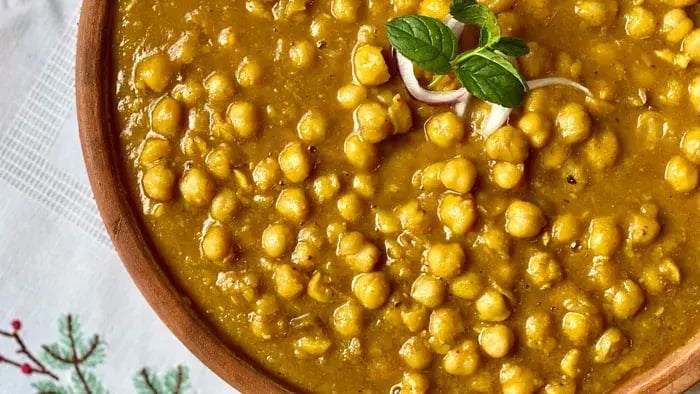
Chole or chickpea curry is naturally gluten-free when prepared with gluten-free ingredients. Chickpeas provide protein and fibre, making the dish filling. Serve it with rice or another suitable gluten-free accompaniment for a complete meal.
Gluten-Free Chicken Tikka
Marinate chicken pieces in curd, tomato purée, lemon juice and mild spices, then cook them on a skillet or grill. Serve with mint chutney, checking that all packaged ingredients used are gluten-free.
Rajma Wrap
Prepare a filling with rajma, crunchy vegetables such as capsicum, onion and carrot, and paneer or chicken. Use a gluten-free wrap instead of a regular wheat-based one. This makes a convenient option for lunch or an evening snack.
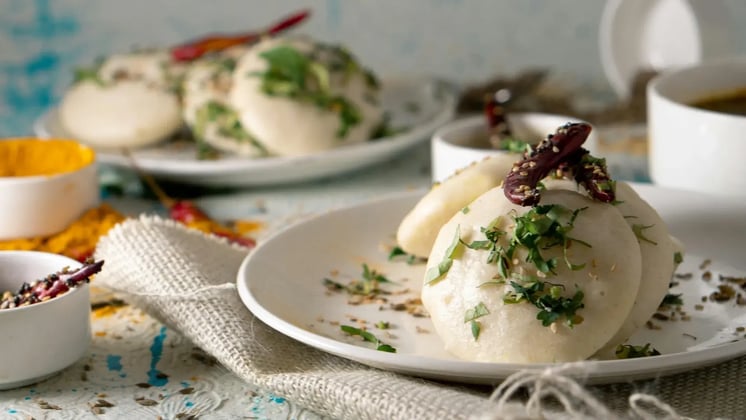
Fried Idli
Idli can be a convenient breakfast or snack when made from a gluten-free batter. Cut steamed idlis into pieces and lightly sauté them with vegetables, curry leaves and mild spices. However, check the ingredients carefully, as some versions may contain rava, which is made from wheat.
Dosa
Traditional dosa made from fermented rice and lentils is naturally gluten-free. Serve it with sambar, coconut chutney or a mild potato or paneer filling. If using ready-made batter, check the label to ensure no gluten-containing ingredients have been added.
Tips for Keeping a Gluten-Free Diet Nutritious and Kid-Friendly
- Focus on naturally gluten-free foods: Include rice, lentils, beans, vegetables, fruits, dairy, eggs, meat and gluten-free grains where suitable.
- Replace, don't simply remove: Make sure wheat-based foods are replaced with nutritious alternatives to keep the child's overall diet varied.
- Read labels carefully: Gluten can appear in packaged sauces, seasonings, snacks and processed foods. Look for clear gluten-free labelling where appropriate.
- Prevent cross-contact: Use separate clean utensils, chopping boards and cooking surfaces when preparing food for a child who needs strict gluten avoidance.
- Keep meals familiar: Adapt foods your child already enjoys rather than introducing several unfamiliar dishes at once.
- Watch nutritional variety: A gluten-free diet should still provide adequate fibre, protein, iron and B vitamins through a varied selection of foods.
Conclusion
You do not need to prepare complicated dishes to offer your child gluten-free food. Simple meals made with naturally gluten-free ingredients can be tasty, filling and easy to include in everyday routines. Focus on variety, check labels carefully and adapt familiar favourites to make the transition easier for your child.
Frequently Asked Questions
Why would a child need to follow a gluten-free diet?

Children with conditions such as celiac disease, gluten sensitivity or certain wheat-related allergies may need to avoid gluten. A paediatrician can help determine whether a gluten-free diet is appropriate.
What Indian foods are naturally gluten-free?
Rice, dal, rajma, chana, traditional dosa, many idlis, vegetables, fruits, dairy, eggs and meat are naturally gluten-free when prepared without gluten-containing ingredients.
What are easy gluten-free snacks for picky eaters?
Fruit, roasted chana, makhana, homemade idli pieces, paneer cubes and suitable gluten-free snacks can be simple options for picky eaters.
Her love for storytelling began with reading her grandfather’s speeches, where Tarishi saw the power of words in creating lasting memories. Combining her passions for food and writing, she has turned her life into a fulfilling path of sharing stories that celebrate flavours and how food brings communities together.
The views expressed are that of the expert alone.
Popular Topics