




 Parenting Guide


 Child Health & Growth


 Learning & Skills Development


 Food & Nutrition


 Bournvita




Introduction
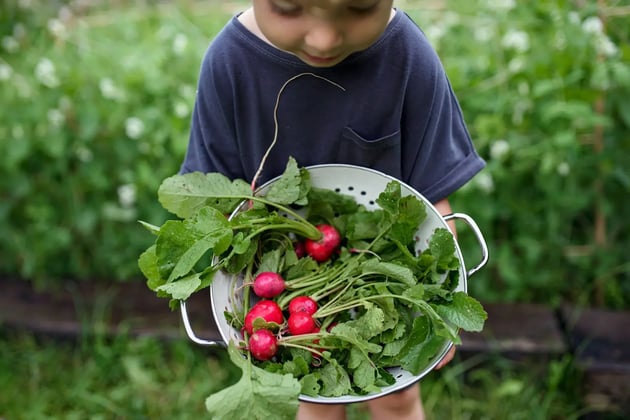
From palak in a paratha to methi in a dal, Indian kitchens have always known something that nutritional science is only now catching up to — green leafy vegetables are among the most powerful foods a growing child can eat. These green leafy vegetables for kids in India are packed with vitamins, minerals, antioxidants, and fibre that support healthy growth, immunity, brain development, and strong bones.
This guide explores six popular Indian greens, their key nutrients, specific child health benefits, and easy kid-friendly ways to serve them. From iron-rich vegetables in India to nutrient-dense moringa leaves, these greens offer remarkable health benefits. Yes, getting children to eat their greens can feel like a daily battle — but with the right recipes and a little creativity, these vegetables can become the highlight of any meal and an important part of your child’s healthy diet.
Why Indian Green Leafy Vegetables Are Especially Powerful for Growing Children
Indian green leafy vegetables are nutritional powerhouses that provide many of the nutrients children need most. They are rich in iron, which helps prevent anaemia—a condition that affects nearly one in two Indian children. They also contain Vitamin A for healthy vision and immunity, calcium for bone development, folate for brain growth, and Vitamin C, which improves iron absorption and strengthens immunity.
Many Indian greens, including palak, methi, bathua, and moringa, are affordable and widely available year-round, making them among the most accessible superfoods for Indian families. Seasonal options such as sarson and bathua thrive in winter, while moringa and arbi ke patte are more common in summer and the monsoon. Including a variety of these greens helps support children's immunity, growth, and overall development.
6 Must-Know Green Leafy Vegetables for Indian Kids
Palak
Health Benefits of Palak for Kids
Palak (spinach) is one of the most nutritious green leafy vegetables for kids and offers a wide range of health benefits. It is rich in iron, calcium, folate, Vitamin A, and Vitamin C, all of which support growth, immunity, and healthy blood production.
Palak is also one of the richest plant sources of lutein and zeaxanthin—antioxidants that help protect children's developing eyes and support long-term vision health. Additionally, spinach is an excellent source of folate, which plays a key role in brain development and cognitive function in school-going children. Regular consumption of spinach supports children's immunity, learning, and overall well-being.
Easy Ways to Add Palak to Your Child's Meals
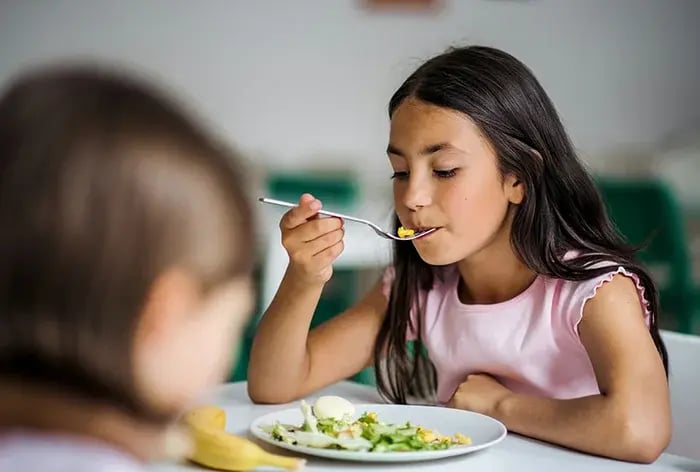
Spinach can be added to meals in many child-friendly ways. Mix finely chopped spinach into paratha dough, blend it into soups, add it to sandwiches, or include it in smoothies with fruits.
For a crowd-pleasing classic, palak paneer is one of the most effective ways to help children enjoy spinach. The mild, creamy texture and soft paneer cubes make it appealing even to picky eaters while delivering excellent nutrition.
Sarso
Benefis
Mustard greens are a reliable source of vitamins A, C, and K, and they provide a good amount of calcium and iron. These nutrients help in strong bones, healthy vision, and a strong immune system. Mustard greens are also rich in glucosinolates, which have been proven to show anti-cancer properties.
Easy Ways to Add Sarso to Your Child's Meals
Sarson (mustard greens) is commonly enjoyed in traditional Indian dishes and is packed with vitamins, minerals, and antioxidants. Sarson ka saag is one of the most popular ways to serve mustard greens to children.
For younger children who may find mustard greens slightly bitter, blend a small amount into palak dal or mild yellow dal. The lentils and tempering naturally soften the stronger flavour, making it easier for children to enjoy while still benefiting from the nutrients.
Methi
Health Benefits of Methi for Kids
Methi (fenugreek leaves) is rich in fibre, iron, calcium, and antioxidants that support healthy growth and digestion. It also helps strengthen immunity and contributes to overall nutritional balance in children.
Methi contains a unique plant compound called diosgenin, which helps regulate blood sugar levels and improve insulin sensitivity. This can be particularly beneficial for children who regularly consume processed or sugary foods. Methi can be safely introduced to babies from around 10 months of age as part of soft foods or mixed into dough for rotis and parathas.
How to Cook for Kids
Add methi to the dough and make methi parathas. This green makes a great combination with dals, soups, or curries because of its stronger flavor. Methi can be combined with pancake batter, or it can be made in vegetable fritters.
Bathua
Benefits
Bathua is a very nutritious green that is rich in vitamins A and C, calcium, and iron. It helps digest food, strengthens bones, and boosts immunity. Bathua also helps in detoxifying the body and enhancing skin health.
Health Benefits of Bathua for Kids
Bathua is a highly nutritious winter green that deserves a place in every child's diet. It provides iron, calcium, fibre, and antioxidants that support immunity, digestion, and bone health.
Interestingly, bathua contains more protein than spinach, making it especially valuable for vegetarian Indian families. It is also exceptionally rich in Vitamin K, which supports healthy blood clotting and bone mineralisation in growing children. Bathua is primarily available during winter and can usually be found fresh in Indian markets between November and March.
Arbi ki Patte
Health Benefits of Arbi ki Patte for Kids
Safety Note:Taro leaves (arbi ke patte) must always be thoroughly cooked before serving to children. Raw or undercooked leaves contain calcium oxalate crystals that can cause severe itching and burning sensations in the mouth and throat. Always steam, boil, or cook the leaves completely before consumption.
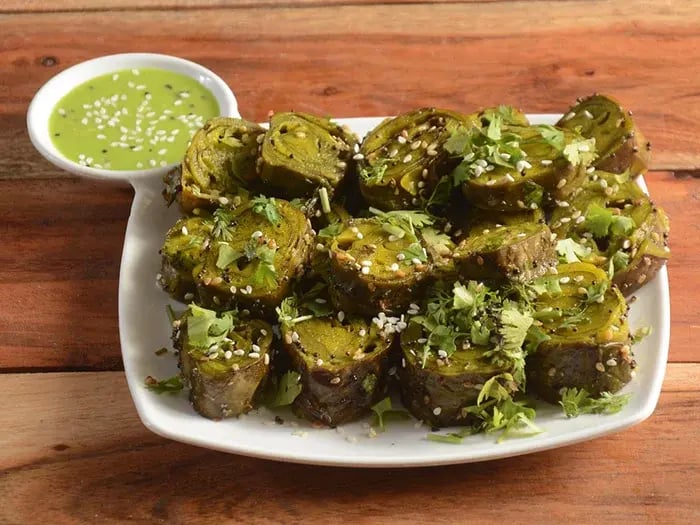
Once properly cooked, arbi ke patte provide fibre, calcium, iron, and antioxidants that support healthy digestion, strong bones, and immunity. They are commonly used in traditional Indian recipes such as patra and can be a nutritious addition to a child's diet when prepared safely.
How to Cook for Kids
They can be traditionally used to make items like patra, where the leaves are coated with a spiced gram flour paste and steam cooked. Taro leaves can also be added to curries or make rolled taro leaves with a savory filling. The chopped leaves can also be added to fritters or soups to add nutrition.
Moringa Leaves
Health Benefits of Moringa Leaves for Children
Moringa is often referred to as a superfood because of its exceptional nutritional profile. It contains iron, calcium, protein, Vitamin A, Vitamin C, and several essential minerals that support healthy growth and development.
Moringa is one of the few plant foods that contains all nine essential amino acids, making it a complete protein source. This is particularly important for vegetarian Indian families where animal protein intake may be limited. Research has also highlighted moringa's potential to address childhood malnutrition and stunting, prompting many health programmes and NGOs in India to promote its use among young children.
How to Cook for Kids
Moringa leaves can be added to smoothies and juices. One can also use moringa powder in baking and sprinkle it over cereals and raita. Cook moringa leaves in soups, stews, and curries or simply sauté them with other vegetables.
Give Your Child India's Greens — Nature's Most Powerful Growth Food
The six greens featured in this guide are among the most affordable, accessible, and nutrient-dense foods available to Indian families. From palak and methi to moringa and bathua, these vegetables provide essential vitamins, minerals, and antioxidants that support immunity, brain development, strong bones, and healthy growth.
While picky eating can sometimes make vegetables challenging, small changes can make a big difference. A smoothie here, a paratha there, or a bowl of palak paneer can help transform greens into foods children genuinely enjoy. Bookmark the comparison table and meal ideas for easy reference, and always remember that arbi ke patte should be fully cooked before serving. When it comes to green leafy vegetables for kids in India, even one extra serving each week is a step toward better nutrition. Start with one green this week—your child's body will thank you for it.
Frequently Asked Questions
Which green leafy vegetable is best for kids in India?

Palak (spinach) is often considered one of the best green leafy vegetables for kids because it provides iron, folate, calcium, Vitamin A, and antioxidants that support growth, immunity, and brain development.
How can I get my child to eat green vegetables without resistance?
Try adding greens to familiar foods such as parathas, dal, sandwiches, soups, smoothies, or paneer dishes. Presenting vegetables in child-friendly recipes often reduces resistance and increases acceptance.
Are taro leaves (arbi ki patte) safe for children?
Yes, taro leaves are safe for children when cooked thoroughly. Raw or undercooked leaves contain calcium oxalate crystals that may cause irritation and discomfort in the mouth and throat.
Which Indian greens are highest in iron for children?
Palak, methi, bathua, and moringa leaves are among the best iron-rich vegetables in India. Pairing them with Vitamin C-rich foods, such as lemons or tomatoes, can improve iron absorption.
Her love for storytelling began with reading her grandfather’s speeches, where Tarishi saw the power of words in creating lasting memories. Combining her passions for food and writing, she has turned her life into a fulfilling path of sharing stories that celebrate flavours and how food brings communities together.
The views expressed are that of the expert alone.
Popular Topics