




 Parenting Guide


 Child Health & Growth


 Learning & Skills Development


 Food & Nutrition


 Bournvita






Introduction
Travelling with family is an exciting adventure, but it can also present challenges when it comes to staying healthy and well on the go. Whether it is a road trip or flying to a new destination, maintaining family's well-being is essential for enjoying every moment of the journey. From managing snacks to staying active, there are simple yet effective strategies to ensure everyone stays healthy and happy during their travels.
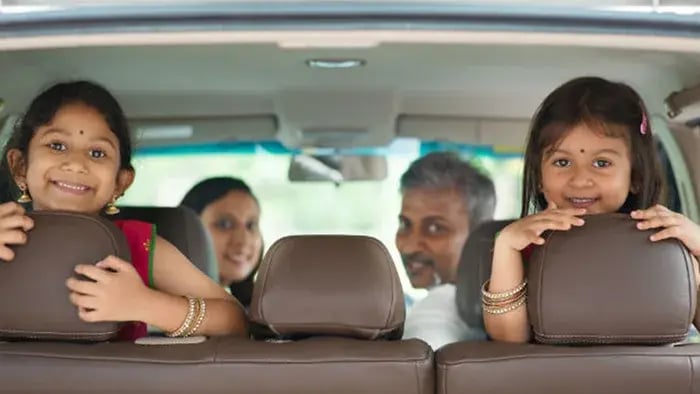
A trip where the family feels prepared and confident about keeping everyone in good spirits. By incorporating practical tips and mindful planning, you can navigate through travel hurdles with ease. From packing nutritious snacks to finding opportunities for physical activity, these strategies not only promote physical health but also contribute to a positive travel experience overall.
Why Healthy Travel Habits Matter for Families

Travel disrupts food, sleep, hydration, and movement routines
Time-zone changes, departure schedules, and strange environments all conspire to interrupt the daily rhythms to which children are accustomed. Skipping meals, sleeping irregularly and sitting for long periods all cause measurable physical stress in children. Within 24 to 48 hours of disrupted nutrition, children’s immune function, concentration, and emotional regulation begin to suffer. Nutritional consistency is what a child’s developing body needs every day and healthy meals on the go provide it. Intentional planning avoids the cumulative disruption that makes travel unnecessarily difficult for young bodies.
Planning helps kids stay energetic and less cranky
Pre-planned nutrition ensures children get enough protein, complex carbohydrates, and micronutrients along the way. Regular, balanced eating keeps blood sugar stable, which directly reduces irritability and behavioral challenges. Children with regular access to food while traveling had improved attention, cooperation, and physical stamina. Parents who pack strategic snacks lower their own anxiety about the availability of unhealthy food at transit points. Planning ahead will replace reactive stress with calm, informed decision-making at every stage of your trip.
Healthy habits make trips smoother and more enjoyable
Traveling families who keep up their baseline health habits have fewer medical interruptions and recovery days. Children who eat well and regularly sleep adjust to new places more quickly and with less distress. Each of these will independently reduce the chances of becoming ill while travelling: smooth digestion, steady energy and sufficient hydration.
Essential Healthy Travel Hacks for Families
1. Pack Healthy Travel Snacks for Kids
Pre-packed healthy travel snacks end the dependence on airport vendors, highway stops, and hotel minibars. Choose nutrient-dense foods, such as roasted nuts, whole fruit, whole-grain crackers, and unsweetened granola bars. Avoid packaged snacks, loaded with refined sugar, artificial flavoring, and sodium that send kids’ energy soaring and crashing. Divide treats into small containers to prevent binge eating and make it easier to hand out to kids on the road. Packaged healthy snacks for kids always win over travel snacks in a store when it comes to nutrition.
2. Plan Balanced Meals While Traveling
Before your departure day, research healthy meals you can eat at transit hubs, rest stops, and destination restaurants. For each main meal point on the trip, provide at least two nutritionally appropriate meal choices. Look for foods high in vegetables, lean protein, and whole grains, and low in added sugar and artificial ingredients. Try not to fall back to fast food because it’s in front of the kids, it’s easy, and the kids are used to it when traveling. If you can plan a healthy meal each day, it can serve as a nutritional anchor that helps counteract less-than-ideal incidental food choices.
3. Practice Mindful Eating on the Go
Mindful eating on the road is about choosing foods based on nutritional intent rather than convenience or emotional comfort. On long trips, teach kids to look for signs of hunger and fullness rather than eat because they’re bored. Don’t use food as entertainment or as a reward during travel, as it creates counterproductive long-term habits. Children should be seated when eating whenever possible, to eat more slowly and have a better digestive response.
4. Keep Everyone Hydrated
The most common health hazard when traveling with family by any mode of transport is dehydration. Children need to drink water regularly on travel days to support digestion, concentration, and recovery. Bring at least one reusable insulated water bottle per family member, and refill at every safe water point. While traveling, do not replace plain water with fruit juices, carbonated drinks, or sweetened beverages. Mild dehydration in children is seen as irritability, headache, and decreased appetite before obvious thirst.
5. Choose Better Airport Snacks
Airport snacks at most terminals range from highly processed to nutritionally viable options. Look for fresh fruit cups, yogurt, hard-boiled eggs, hummus with veggies or unsalted mixed nut packs. When buying packaged options, check nutrition labels specifically for added sugar, sodium, and trans fat content. Steer clear of fried snacks, sweet pastries and salt-laden processed foods that are bad for children's energy stability. That’s a small price to pay for decent airport food. But it will keep the whole family healthy and happy for the duration of the trip.
6. Build Movement Breaks Into the Trip
Long stretches of sitting on flights, car trips, and train journeys tighten muscles and reduce circulation in kids. During any long-distance travel segment, plan for a mandatory movement break of 10-15 minutes every 90 minutes. Light stretching, walking through the terminal, or playing in the airport play areas are all good ways to keep your blood circulating. Use fuel and rest stops in vehicles as planned opportunities for children to run, jump, and move. Movement breaks during a journey make children more comfortable, less physically uncomfortable, and easier to settle after travel.
7. Maintain Sleep Routines
Travel-sleep consistency supports children’s immune, hormonal, and behavioral health holistically. Replicate important features of the home sleep environment, e.g., using a comfort toy or blanket. Try to keep bedtime within 30 to 60 minutes of the regular time at home, even if you’re in a different time zone. Dim screens 45 minutes before expected sleep time – this can help children produce melatonin naturally.
8. Pack Smart Travel Essentials for Kids
Kids’ essential travel items include health, safety, and comfort items that support well-being directly during travel. Carry oral rehydration salts, a digital thermometer, and age-appropriate pain and fever relief medication as a matter of course. Clearly marked travel bags for probiotics, vitamin C supplements, and any prescription medications that are easy to get to. Every family’s travel essential kit should include insect repellent, sunscreen, and allergy medication suitable for children. Systematic packing of health essentials cuts back on emergency pharmacy visits that throw travel plans into chaos and crank up the stress.
Best Road Trip Snacks for Kids
Roasted makhana
Makhana Roasted is a healthy snack for kids of all ages. Roasted makhana is a light, crunchy, and protein-rich healthy snack. Makhana is naturally low in fat and sodium and keeps you comfortable on long car journeys. With its neutral flavor and dry texture, it is one of the safest road trip snacks for kids who are sensitive to motion.
Dry fruits
Dry fruits and nuts are a good source of concentrated energy, essential minerals and healthy fats in a compact and mess-free format. Dates, raisins, apricots, and figs are natural, fast-release sugars without the sugar crash of refined confectionery. Portion-controlled servings of dried fruit prevent overconsumption and help maintain steady energy between main meals.
Fruit slices
Pre-cut apples, pears, mangoes, and oranges will hydrate, provide fiber and natural sugar for a slow release of energy. The airtight containers seal in fruit slices, keeping them fresh for up to six hours under normal travel conditions. For each age group, fruit slices are one of the most universally accepted healthy snack options for kids.
Homemade sandwiches
Whole-grain sandwiches with fillings like boiled egg, paneer or lean chicken provide balanced protein and complex carbohydrates. You can make sandwiches at home, know the quality of the ingredients, and not have to worry about hygiene when traveling. Wrap sandwiches in parchment paper and seal tightly to comfortably keep them fresh for up to four hours.
Granola bars
Homemade or low-sugar granola bars are a great option for oats and nuts in a portable, single-serving format. Look for bars with less than eight grams of added sugar and three or more grams of protein per serving. Granola bars are one of the easiest healthy snacks for travel to help keep children’s hunger at bay between planned meal stops.
Thepla or paratha rolls
Thepla and paratha rolls are among the most practical, traditional, healthy, and homemade snacks for Indian traveling families. They are filled with whole-wheat flour, vegetables, and mild spices, and provide sustained energy without refrigeration. They are long-lasting, taste as you know, and are full of nutrients. They are perfect for long road trips with kids.
How to Stay Healthy While Traveling with Kids

Eat balanced meals
Regardless of the travel schedule, make sure to have at least one nutritionally complete, healthy meal a day. Even in food-limited environments, eat balanced protein, complex carbs, and vegetables throughout the day. One good meal can set the tone for the day and counterbalance the damage of a string of bad choices.
Hydrate regularly
Water intake during travel should be deliberate and planned, as children often have delayed thirst signals. For long travel days, set an alert every 45-60 minutes to remind you to hydrate and stay on top of your water intake. When kids begin to complain of vague hunger or discomfort on long stretches of travel, offer them water before food.
Walk whenever possible
Choosing to walk instead of driving to destinations directly increases the amount of physical activity children get each day. On a full travel day, even short walks between close attractions add up to significant step counts and cardiovascular benefit. Walking also tends to slow down the pace of exploration, giving children better opportunities to engage with their surroundings.
Avoid too much junk food
Sure, it’s okay to eat a little junk food once in a while, but eating it all the time quickly wears down kids’ energy, digestion and immune systems. Create a simple travel rule for the family: one decadent food item a day, guilt-free and no negotiating. This arrangement avoids either the extremes of rigid diets or the cumulative nutritional damage of unfettered access to junk food.
Schedule rest breaks
Rest breaks are a non-negotiable health requirement on active family travel days, not optional extras. When on the road, take at least a 60-minute break every four hours for physical or exploratory activity. Children who get enough rest between activity periods are more engaged and aware of physical safety throughout.
Common Travel Health Challenges and Quick Fixes
Kids Getting Tired or Cranky
Children on the road who are irritable and fatigued are most often communicating their need for food, water or sleep. And before you decide a problem is behavioral, give a nutrient-dense snack, a full glass of water and 30 minutes of seated rest. Stay away from reactive stimulants like sugary drinks or screen time that mask tiredness while exacerbating it. The most effective way for children to regain their strength is by lying down horizontally for 20-30 minutes, more than any food or stimulant. If we can meet fatigue with calm, practical care rather than frustration, we can dramatically improve the recovery trajectory.
Overeating Junk Food
The most common reason behind overindulging in junk food while traveling is the unavailability or inaccessibility of healthy food options for families. Pre-packing healthy travel snacks prevents the impulse buying that leads to junk food overconsumption at transit points. If you find yourself overeating, return to water, light protein and vegetable-rich foods at the very next meal opportunity.
Motion Sickness or Digestive Discomfort
Motion sickness is a common problem for many children traveling by car, boat, plane, and train around the world. Avoid heavy meals within 90 minutes of departure and limit screen time while in motion to prevent symptoms. Mild motion sickness in children can be relieved non-pharmacologically by ginger-based foods and acupressure wristbands. If you are traveling with children with a documented history of severe motion sickness, pack physician-approved anti-nausea medication. Seat motion-sensitive children in front of vehicles or over the wings of aircraft to reduce vestibular disruption.
Poor Sleep During Travel
Sleep loss associated with travel accumulates, leading to significant immunosuppression and behavioral dysregulation in children. Before going to bed, recreate the home sleep environment by using familiar objects, engaging in regular bedtime rituals, and minimizing sensory stimulation. Consider blackout travel blinds, white noise apps and child-sized travel pillows to improve the quality of sleep in unfamiliar environments. Do not give children of any age any caffeine-containing foods or drinks on the days of travel leading up to their expected bedtime.
Conclusion
Healthy meals and mindful travel patterns help keep children’s bodies and moods safe on every journey. Families who incorporate nutrition, rest, and movement into their travel logistics tend to have consistently smoother trips. Small, steady decisions at each stop along the way lead to a healthier, more pleasurable family holiday.
Frequently Asked Questions
What are the best healthy snacks for kids while traveling?

The best healthy snacks for kids to eat on the go are portable, non-perishable, and nutritionally balanced for sustained energy. Roasted makhana, dry fruits, fruit slices, whole-grain homemade granola bars, and sandwiches are always good.
How can families eat healthily during road trips?
Healthy eating on road trips requires some pre-planning, research, and expectation management. Before you leave, pack a snack box for each child that includes a portion of nuts, fruit, whole-grain crackers, and protein-rich foods.
What travel essentials should parents pack for kids?
There are three categories of must-have travel essentials for kids: health, nutrition, and comfort. Health essentials include fever medicine, rehydration salts, probiotics, sunscreen, insect repellent, and allergy medicine.
How do you stay healthy while traveling with children?
To keep your children healthy on the road, you have to constantly monitor four pillars: nutrition, hydration, sleep, and movement. Bring healthy meals and snacks for each part of your journey instead of depending on commercial food.
Her love for storytelling began with reading her grandfather’s speeches, where Tarishi saw the power of words in creating lasting memories. Combining her passions for food and writing, she has turned her life into a fulfilling path of sharing stories that celebrate flavours and how food brings communities together.
The views expressed are that of the expert alone.
Popular Topics