




 Parenting Guide


 Child Health & Growth


 Learning & Skills Development


 Food & Nutrition


 Bournvita





Introduction
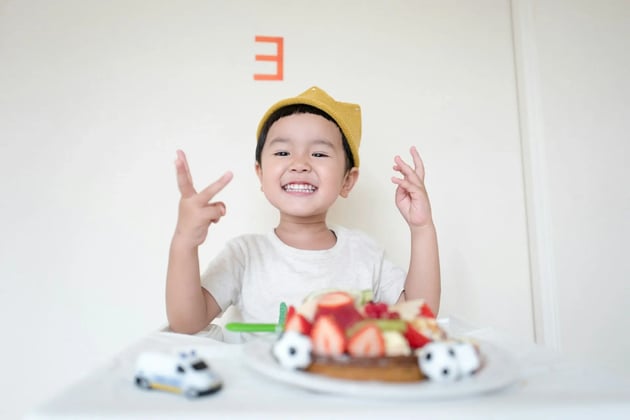
Most parents have no idea how much better celebrating small wins is for building a child’s confidence. Real celebrations are for the day-to-day accomplishments, such as completing homework or trying something new. The article explains why small wins are so crucial to a child’s overall development. It also provides insight into the psychology of why recognition works so well with children. The remainder of the article examines simple, practical ways to celebrate wins. None require much extra time or fancy rewards from parents. Small, regular doses of positive reinforcement work better for building long-term confidence and motivation than occasional big rewards. A practical, accessible guide to bringing celebration to your everyday life. Celebrating small wins regularly can make a big difference in how a child approaches future challenges.
Why Small Wins Matter for Children
These small victories are building blocks that gradually increase a child's general confidence. Each small success bolsters the confidence that hard work does bring about real progress. It may be doing your homework, learning a new skill, or being kind. These little moments build over time into a strong, lasting sense of capability. Kids who are regularly acknowledged are more likely to take on new challenges. That desire is a direct result of the belief that their effort will be seen and appreciated. Little victories also help children learn to persevere through progress over the desire for instant, perfect results. This mindset promotes healthier responses to both success and the occasional setback. Regularly noticing these moments helps build your child's resilience over time. This foundation drives a child’s motivation beyond any single achievement itself.
The Psychology Behind Small Wins
The Progress Principle is about how visible incremental progress drives ongoing motivation and engagement. This concept, derived from research in workplace psychology, is clearly applicable to children, too. Small signs of progress can be very meaningful for mood and effort. This is because the progress itself is rewarding independent of the end goal. Kids get the same thing when their small steps are genuinely acknowledged. One compliment can really boost a child's confidence for the next task. This is why celebrating small wins is so consistently and so effectively successful overall. Recognition need not be elaborate to have this meaningful, lasting effect. A short, sincere “Thank you” creates the same psychological feeling of forward momentum. Once parents understand this principle, they understand why small praise, given consistently, really matters.
The Significance of Achieving Small Successes
Boosts Self-Confidence and Self-Esteem
It boosts children to have more self-confidence in believing in themselves. Recognizing and appreciating work habits from the parents sends a powerful message to the kid that his or her efforts at work are being appreciated. This kind of positive reinforcement from the parents makes children believe in their capabilities and motivates them to aim for much more.
Develops Intrinsic Motivation
Intrinsic motivation is an inner calling for achieving goals out of one's satisfaction, rather than an external award system. Celebrating small wins can inculcate the love for learning and growing with children. In turn, this intrinsic motivation will be important for the long-term development of sustained and resilient success.
Teaches Persistence and Resilience
Recognizing small wins teaches a child never to give up and to be resilient in life. If there is anything in life that one desires, it usually comes in steps or phases, and each step taken, come what may for now, ought to be calculated; hence, this will create a child with high resilience not to be knocked down by every setback but to take this as part of the notch and journey and not as an insurmountable obstacle.
Promotes Positive Emotional Well-Being
Celebrating achievements, however small, contributes to a child's overall emotional health. It creates a positive and supportive environment where children feel loved and appreciated. This emotional security is essential for healthy development and can protect against anxiety and depression.
Strengthens Parent-Child Bond
Celebrating small wins with your children creates an intense parent-child bond. It presents an opportunity to bond with positivism, where happiness is shared, and therefore draws the parent and child closer to each other.
How to Celebrate Small Wins
- Name and Recognize the Win: Start by naming and calling what the small win would be. Maybe it's a singular thing done, a task your child completed, or simply a positive behavior they exhibited. Naming the small win makes that tangible and significant.
- Praise for Effort: In other words, praise the effort rather than the result. This inculcates in the child the ideology of hard work and commitment. For example, "I'm so proud of how hard you've worked on your homework," instead of just praising the completed assignment.
- Make Up Celebratory Rituals: Come up with some simple acts in which recognition can be given when your child has achieved something minor. This could be with some kind of treat, such as a special family activity, or it could even be mentioned at the dinner table. Continuous recognition helps the child get a connection between the positive feedback and effort extended.
- Set Realistic Goals: Help a child set goals that are realistic and achievable. Breaking large tasks into smaller, more manageable steps gives the child a bit of feeling of forward movement that can be acknowledged as progress—it helps avoid low motivation and overwhelm.
- Nurture Gratitude: Encourage a gratitude culture at home. Children should reflect on what they have done and be grateful for that. Gratitude reduces negative feelings, like envy, hatred, and resentment, which come from discontentment and improve psychological health.
Conclusion
Celebrating the little wins builds lasting confidence, motivation, and connection in your family. These simple, consistent practices are very easy to implement and give really significant benefits. Just one little ritual can create a lasting positive family habit.
Frequently Asked Questions
Why is it important to celebrate small wins with children?

Regular, meaningful recognition builds confidence, motivation, and resilience through small wins. A foundation gives a child the confidence to take on new challenges.
Can celebrating small wins help with a child's confidence long-term?
Yes, and it's that repeated recognition over time that produces a lasting internalized sense of capability. This foundation gives rise to a confidence that carries into later childhood.
Smriti is a content writer who creates clear, practical, and informative content backed by science and relevant data. With a strong understanding of structured writing, she breaks down complex topics into simple, actionable insights. Her work is focused on helping readers prepare, learn, and grow with confidence and clarity.
The views expressed are that of the expert alone.
Popular Topics