



 Parenting Guide


 Child Health & Growth


 Learning & Skills Development


 Food & Nutrition


 Bournvita




Introduction
Learning about the human body is an important part of early education. When children know the names of different body parts, they can communicate more clearly, understand basic health and hygiene, and become more aware of how their bodies work. Introducing body parts for kids through simple conversations, pictures, songs, games, and everyday examples can make this topic easier and more enjoyable.
Children naturally become curious about their hands, feet, eyes, ears, nose, mouth, and other parts of the body. This curiosity can be used as an opportunity to teach correct names in a comfortable and age-appropriate way. Simple activities can help children remember new words while also developing language, observation, and communication skills.
Learning body parts for kids can also support everyday routines. Children can understand why hands should be washed, teeth should be brushed, eyes should be protected, and feet should be kept clean. These small lessons connect classroom learning with healthy daily habits.
As children grow, body-part lessons can gradually become more detailed. Younger children can start with familiar external body parts, while older children can learn about basic organs and their functions. Using respectful, clear, and correct language creates a positive learning environment.
10 Simple Ways to Learn Body Parts for Kids
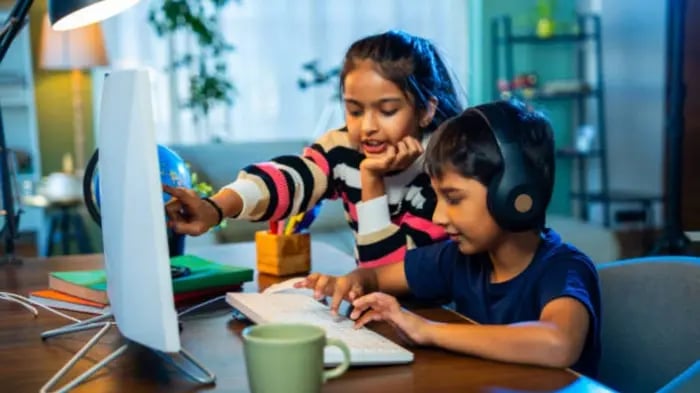
Learning body parts for kids becomes easier when children can see, name, touch, and use the words in everyday activities. Simple learning methods can turn a basic lesson into an interactive experience. Parents and teachers can use songs, drawings, games, flashcards, and daily routines to introduce body-part names naturally. The following activities can support vocabulary development while helping children develop basic body awareness in a clear, age-appropriate way.
Use a Body Parts Picture Chart
A colorful picture chart can introduce children to common body parts such as the head, eyes, ears, nose, mouth, hands, arms, legs, and feet. Pointing to each part while saying its correct name can help children connect the word with the corresponding body part.
A chart can also become a simple daily learning activity. Children can be asked to identify different parts, match labels with pictures, or color specific areas. For younger children, starting with a few familiar parts at a time can make learning easier. Older children can gradually learn additional terms such as shoulders, elbows, knees, ankles, and wrists.
Try a Body Parts Song
Songs and rhymes can make body parts for kids easier to remember. A simple action song can name body parts while children point to or move each one.
Activities involving clapping hands, touching shoulders, moving feet, or nodding the head can turn vocabulary practice into physical movement. Repetition helps children become familiar with new words without making the lesson feel like memorization. Teachers can also pause during a song and ask children to identify the next body part. This activity supports listening, memory, movement, and language skills together.
Play a Body Parts Matching Game
Create picture cards showing different body parts and matching cards containing their names. Children can match each picture with the correct word.
For younger learners, use large and clear pictures with familiar parts such as eyes, ears, hands, and feet. Older children can use more detailed vocabulary. The game can also include simple questions, such as which body part helps with seeing or hearing. This makes body parts an interactive learning topic for kids while encouraging them to connect names with basic functions.
Draw and Label a Human Body
Drawing provides a simple way to help children learn body vocabulary. Give children paper and ask them to draw a basic human figure, then label familiar body parts.
Younger children can label only a few parts, while older students can add more terms such as elbows, knees, fingers, toes, and shoulders. Children can use arrows to connect each word with the correct location. This activity supports creativity, writing practice, observation, and memory. It can also be turned into a classroom poster for continued revision.
Use Everyday Hygiene Routines

Daily routines provide natural opportunities to teach body parts to kids. During handwashing, children can learn about fingers, palms, wrists, and nails. During toothbrushing, they can learn about teeth, gums, and the mouth.
Connecting body-part names with familiar routines helps children understand why personal hygiene matters. Simple explanations can make these habits easier to remember. For example, clean hands help remove dirt and germs, while brushing teeth helps maintain oral hygiene. These everyday connections make body education practical rather than limited to classroom lessons.
Play “Touch and Name”
A simple touch-and-name game can help children practice body-part vocabulary through movement. An adult can name a body part, and children can point to the correct place.
The activity can begin with familiar words such as head, nose, eyes, ears, hands, and feet. As children become comfortable, additional words can be introduced. The game can also reverse the activity by pointing to a body part and asking children to name it. This approach supports listening skills, body awareness, memory, and vocabulary development.
Learn Body Parts Through Movement
Movement activities can help children understand how different body parts work together. Children can jump using their legs, clap with their hands, blink their eyes, bend their knees, and move their arms.
During the activity, adults can name the body part involved in each movement. This creates a connection between vocabulary and physical action. Older children can discuss simple functions, such as how legs help with walking or hands help with holding objects. Movement-based learning can make learning about body parts engaging for kids while adding physical activity to the learning session.
Create Body Parts Flashcards
Flashcards can make vocabulary revision quick and convenient. Each card can feature one body part with a clear picture and its correct name.
Children can look at a picture and say the word aloud, or an adult can say the word while children find the matching card. Flashcards can also be grouped into categories such as body parts used for seeing, hearing, moving, or eating. Short, regular sessions can help children remember vocabulary without making the activity tiring.
Read Age-Appropriate Body Books
Picture books and educational books can introduce body parts for kids through simple illustrations and stories. Books can explain familiar body parts and introduce basic information about their functions.
Parents and teachers can pause while reading to ask children to identify body parts shown in the pictures. Older children can explore beginner-level information about organs such as the heart, lungs, and brain. Age-appropriate books also provide an opportunity to introduce correct terminology in a calm and respectful manner.
Make a Body Parts Quiz
A simple quiz can help children revise what they have learned. Questions can include identifying a body part from a picture, matching a body part with its basic function, or completing a sentence.
For younger children, picture-based questions can make the activity easier. Older students can answer questions about body systems and basic health habits. Keeping the quiz short and interactive can make revision enjoyable. A body-parts quiz can also be used at the end of a classroom lesson to check understanding and reinforce important vocabulary.
Conclusion

Learning body parts for kids can become simple and engaging through songs, games, drawings, books, and everyday routines. Clear explanations help children build vocabulary, understand basic body functions, and develop healthy habits. Age-appropriate activities also encourage curiosity, confidence, and respect for the human body.
Frequently Asked Questions
What are the basic body parts for kids to learn first?

Children can begin with familiar parts such as the head, eyes, ears, nose, mouth, hands, arms, legs, knees, and feet. More detailed terms can be introduced gradually.
How can children learn body parts easily?
Songs, flashcards, picture charts, drawing activities, matching games, and movement exercises can make body parts for kids easier to understand and remember.
Why is learning body parts important for children?
Learning body parts helps children build vocabulary, communicate about their bodies, understand basic hygiene, and develop greater awareness of health and personal care.
Her love for storytelling began with reading her grandfather’s speeches, where Tarishi saw the power of words in creating lasting memories. Combining her passions for food and writing, she has turned her life into a fulfilling path of sharing stories that celebrate flavours and how food brings communities together.
The views expressed are that of the expert alone.
Popular Topics