




 Parenting Guide


 Child Health & Growth


 Learning & Skills Development


 Food & Nutrition


 Bournvita





Introduction
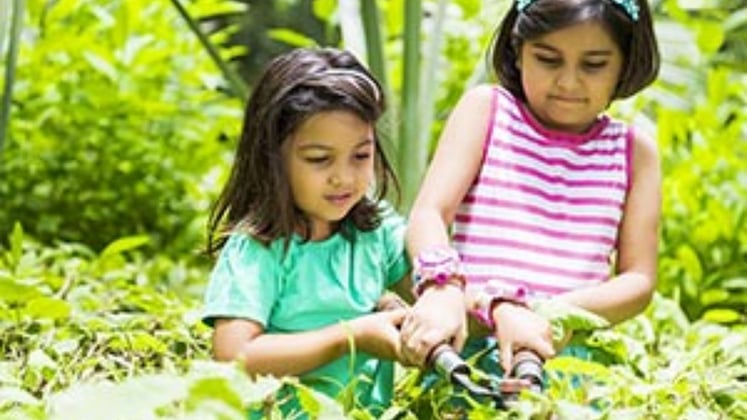
Gardening allows children a real connection to nature and teaches them patience. Good teamwork skills are developed. When you are working toward a common goal—a thriving garden, for example—cooperation is natural. There are a few ways that gardening develops teamwork skills in children. Here are some practical tips to promote teamwork in gardening activities.
These lessons can be used for home or school gardens. Suitable for beginners. The easiest and most common tasks teach the best lessons about working as a team. This article is a practical starting point for family gardening. Working side by side often teaches more than direct instruction. These lessons can naturally transfer over into other areas of a child’s life.
How Gardening Teaches Kids Teamwork Skills

Shared Responsibilities
You can assign each other garden jobs, and this teaches responsibility as a group. Every child learns that his part has a common effect. That gives a sense of ownership of the success of the garden. This enhances the sense of responsibility because if one person fails to do a task, then it affects the whole group. Children learn to follow through on tasks they’ve committed to. This is reflective of teamwork dynamics in many group settings. Reliability of cooperation is based on shared responsibility.
Communication
Often when working in the garden, children need to communicate clearly and consistently with each other. In shared discussion, it must be decided what to plant or water. This means you are comfortable sharing ideas and listening to others. In the garden, miscommunication has immediate and visible consequences. This is when clear and straightforward communication is so valuable. It’s a skill that simply takes time and regular gardening sessions. Good communication will result in more effective group collaboration.
Task allocation
Divide the gardening jobs by strength or interest, and learn to work as a team efficiently. Children learn to distribute labor by individual ability. This develops an early understanding of complementary skills. It also promotes fairness in the sharing of common responsibilities. A good gardener has many balls in the air at one time. This structure will guide you on how to do practical, real-world tasks. This skill is used by children far beyond the garden itself.
Problem-Solving Skills
Gardening throws up surprises, often requiring group solutions. Pests, weather, or plant problems require collaborative problem-solving. Children learn to work as a team to develop solutions. This builds confidence to face challenges as a team. Gardening is a great hobby because problem-solving usually has a visible outcome. This shows that perseverance and teamwork are valuable. These skills are transferable to academic and social situations.
Knowledge sharing
Kids learn gardening tips at different ages. By sharing this knowledge with teammates, a collaborative learning environment is fostered. That goes to the power of personal knowledge. It also develops patience in teaching new skills to others. Gardening naturally encourages this sort of peer learning. It is like the valuable team dynamics of a group project. Common knowledge helps the group to succeed overall.
Success celebration
To see a good harvest helps to validate the importance of working together. When we celebrate together, we make positive associations with the group effort. It teaches children to recognize collective and not just individual achievement. Celebration is reinforced through sharing. It also provides an incentive to work together on future projects. This positive feedback helps to keep the motivation for teamwork. Celebrating joint success develops enduring cooperative habits.
Relationship Building
As they spend time together in the garden, children’s relationships will improve naturally. Shared effort builds trust and mutual respect over time. That’s the basis for cooperation outside the garden. Children learn to lean on and support each other. These relationships tend to extend to other common activities too. This makes teamwork an even more important transferable life skill. Good relationships facilitate future group work.
Tips for Encouraging Teamwork in Gardening

Always reinforced with practical strategies and lessons in teamwork. Clearly defined roles help each child to understand their individual role. Motivation keeps the kids moving through the process and setting exciting, achievable goals.
Open communication helps in smooth collaboration during tasks. Letting kids create their own teams builds ownership. Problem-solving creativity enhances the confidence in decision-making of the group. Celebrating wins together reinforces positive associations with teamwork.
Being empathetic and respectful will make for better group dynamics. With simple, proper tools, the job is safe and manageable. Together, post-activity reflection reinforces the lessons learned in the activity. The best results from these strategies come from regular use over time. Small, intentional acts build strong, lasting teamwork habits through gardening.
Conclusion
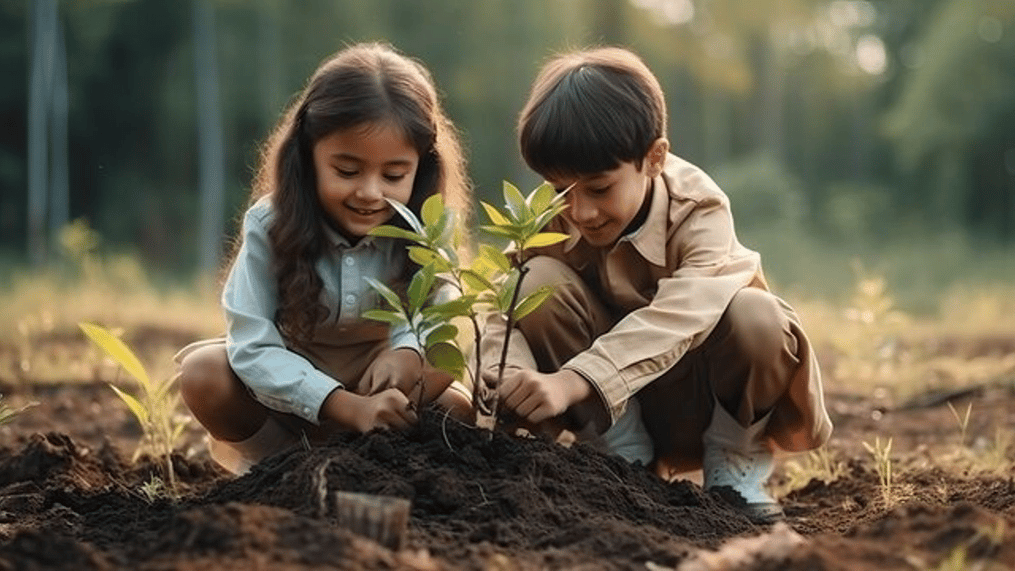
Gardening is a simple and effective way to teach children to work as a team. This promotes shared responsibility, communication, and problem-solving naturally. These lessons go far beyond the garden into everyday life. With a small community garden, kids can learn lifelong skills of cooperation.
Frequently Asked Questions
What gardening tasks are best suited for group or family activities?

Watering, planting, and harvesting are all good for group participation. Part and parcel of every activity, of course, is co-ordination and co-operation.
How does gardening compare to sports in teaching teamwork skills?
Gardening, unlike the quick-moving collaboration of sports, teaches patience and long-term cooperation. Both build communication, but gardening is about steady, slow cooperation.
Smriti is a content writer who creates clear, practical, and informative content backed by science and relevant data. With a strong understanding of structured writing, she breaks down complex topics into simple, actionable insights. Her work is focused on helping readers prepare, learn, and grow with confidence and clarity.
The views expressed are that of the expert alone.
Popular Topics