




 Parenting Guide


 Child Health & Growth


 Learning & Skills Development


 Food & Nutrition


 Bournvita





Introduction
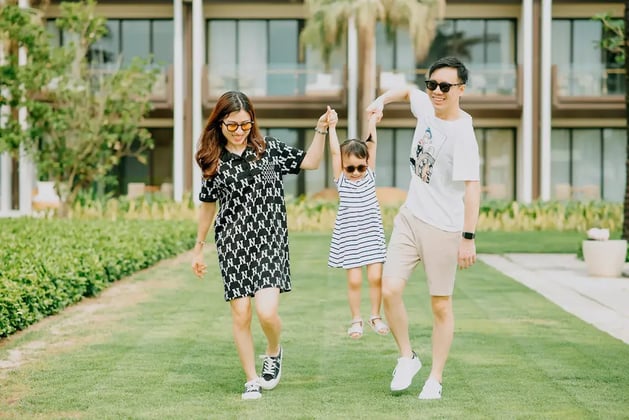
For many families, long holidays mean the need for memorable vacations that combine fun, relaxation, and bonding. More often than not, they turn into trips of sedentary days or lounging beside the pool, beating local cuisine. But what if your holiday could also tack on some fitness and wellness?
Now that you opted for a family vacation where the fun came tagged with fitness—you know, lazy beach days turned hiking trails, water parks became mountain biking, and car rides turned into walking tours. Not only was it a heady experience but brought them closer, inculcating a love for fitness in the kids. Although including kids in this concept of what a fitness-focused vacation is might perhaps seem a bit daunting, well-tailored activities with a dash of creativity will easily turn something otherwise tedious into an exciting and rewarding adventure for the family.
What Is a Fitness-Focused Family Vacation?
A fitness-focused family vacation blends travel with purposeful physical activity each day. Families participate in various outdoor settings, both structured and unstructured. Kids love to move, and this is a natural way to build strength and coordination. This vacation style is about active, body-engaging exploration and fun, not passive sightseeing. Every destination is an opportunity to move, discover, and connect in a meaningful way.
Combining Travel, Fun, and Physical Activity
When families travel with intention and purpose, exercise is a perfect match. Active destinations can easily provide trails, water sports, cycling routes, and adventure parks. Kids get to explore new settings while building physical fitness and real-world confidence. Rather than being a separate, structured obligation, movement is woven into the travel narrative. Stronger family memories are made through shared activities that involve energy, laughter, and effort.
Why Active Vacations Are Better for Kids
Children’s bodies and minds are much more fully engaged during active vacations than during passive trips. Physical activity during travel promotes healthy growth, sleep quality, and emotional regulation. Kids who go on regular trips come home healthier, calmer, and more focused. Active vacation ideas that involve going outside help reduce screen time and support natural sensory development. Structured movement while traveling also greatly reduces behavioral challenges in young children.
Why Choose an Active Family Vacation?
Physical Health Benefits for Kids and Parents
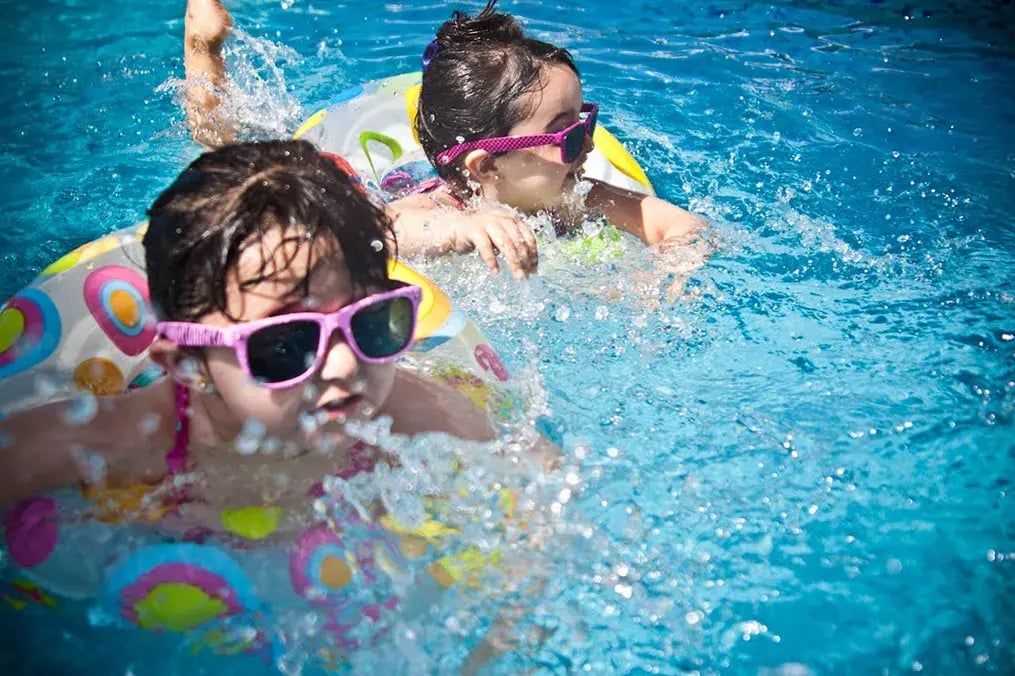
Regular physical activity during holidays is important for the cardiovascular health of children and adults. Hiking, swimming, and cycling help children develop stronger muscles and healthier bone density. Movement-based travel participation also reduces sedentary behavior accumulated over workweeks for parents. The World Health Organization says children ages 5-17 need at least 60 minutes of moderate physical activity every day. Active family vacation ideas obviously satisfy this recommendation without any further scheduling effort.
Strengthens Family Bonding Through Shared Activities
Shared physical challenges create lasting emotional bonds between parents and their children through travel. As family members hike a trail together, they must communicate, trust, and encourage one another. Children feel seen and valued when parents are involved in physically demanding activities with children. Cooperative activities such as paddling, hiking, or cycling foster team spirit within the family unit.
Encourages Outdoor Exploration and Learning
Outdoor family vacation experiences provide children with first-hand knowledge of ecosystems, geography, and natural science. Children learn how to observe wildlife, read terrain, and gain spatial awareness. Nature travel ignites a curiosity seldom matched in the depth of structured classroom learning. Parks, forests, mountains, and coastlines all offer unique learning environments for growing children. Families sharing nature experiences build a shared love of the outdoors.
How to Plan a Fitness-Focused Vacation with Kids
1. Research Family-Friendly Active Destinations
Start with places with trails, parks, beaches, and infrastructure for outdoor activities. National parks, hill stations, and coastal towns always top the list of active family vacation ideas. Consider the accessibility, climate, and facilities available for children of various ages at each site. Check out the reviews from families with kids your age. Choose locations with emergency medical facilities and child-friendly activity zones everywhere.
2. Choose Activities Suitable for Kids
The activity should be suitable for the child's age, physical ability, and level of interest. Short nature walks, shallow-water play, and low-intensity cycling routes will work well with young children. Moderate hikes offer kids trails, paddleboarding, and introductory rock climbing that older kids can handle. Do not force strenuous activities on children who complain or are reluctant during planning. Let the kids choose between two or three options. It really helps get them involved and cooperative.
3. Book Family-Friendly Accommodation with Fitness Options
Accommodations with pools, open lawns, cycling paths, or near trailheads support constant movement. Resorts and guesthouses generally offer structured outdoor programming for children and families. Being near nature reduces travel time and increases time available for physical activity. Ensure accommodation is safe, child-proof, and away from heavy vehicular traffic. If you read accommodation reviews from traveling families, you can make an informed, realistic decision when you book.
4. Plan Daily Physical Activities
Plan at least one big physical activity and one exploratory movement session for every day of travel. The morning hours are best for high-energy activities before the heat and fatigue set in. Afternoon times are suitable for more leisurely pursuits such as swimming, cycling, or guided nature walks. Each day’s plan should allow for flexibility to accommodate children’s moods, energy levels, and weather changes. A written daily plan will help avoid decision fatigue and ensure physical activity remains a priority.
5. Add Fun Fitness Challenges for Kids
If you gamify physical activity, children will participate much more willingly, without resistance or complaints. Create simple step-count challenges, scavenger hunts, or nature-identification competitions while you are outdoors. Reward effort, not performance. Build intrinsic motivation and a good relationship with movement. Printable challenge cards or simple apps help you keep track of your children’s accomplishments throughout the trip. Recognizing little physical accomplishments every night helps keep kids encouraged and eager for tomorrow.
6. Balance Activity with Rest and Recovery
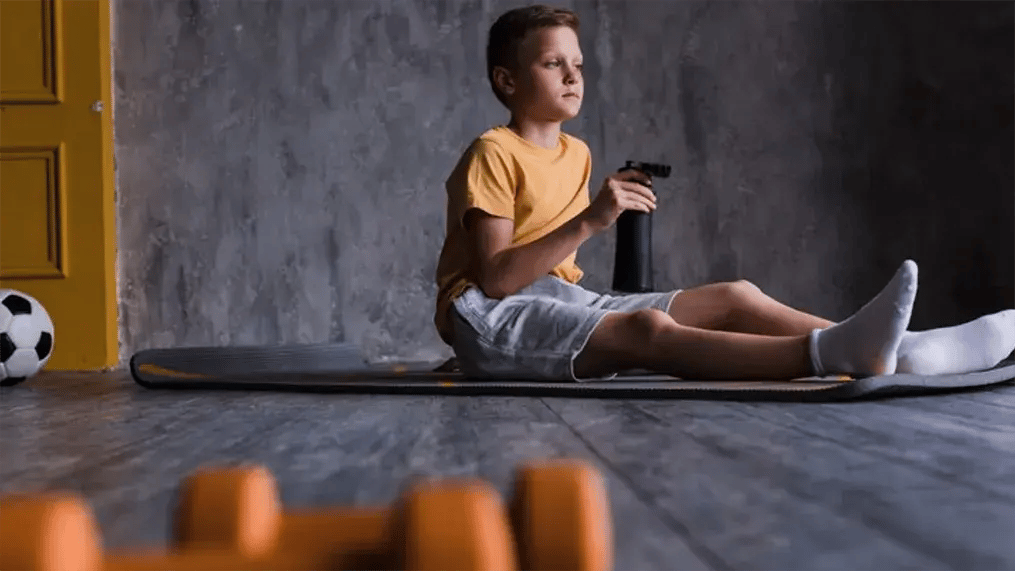
And just as physical activity is important on a fitness-focused family vacation, so is adequate rest. Too much activity can cause irritability, muscle fatigue, and reduced immune function in growing children. Allow for at least one full rest period mid-day and one light activity in the evening after dinner. Children need their hormonal and physical recovery, so travel schedules should be a priority even when traveling. On rest days, there should still be gentle movement, such as stretching, walking, or pool play.
7. Pack Smart for Active Travel
Smart packing keeps you from having to stop physical activity because you don’t have the right gear. Make sure to pack age-appropriate footwear, moisture-wicking clothes, sun protection, and insect repellent in every bag. For any outdoor activity, it is important to have hydration equipment, such as reusable water bottles and electrolyte sachets. First-aid essentials such as bandages, antiseptics, and pain relief are non-negotiables on active family trips. Lightweight backpacks for kids help them to carry their own gear and feel independent and responsible.
Best Active Vacation Ideas for Families
Nature and Adventure Trips
There are great hiking opportunities for all fitness levels, even with kids, in national parks and forest reserves. Family-friendly trail networks feature gradual elevation gains that won’t challenge younger or less experienced hikers. Wildlife observation, bird identification, and botany walks can be educationalized in physical outdoor excursions. Camping in national parks builds families’ connection to the outdoors and develops teamwork and resilience skills daily.
Beach and Water-Based Activities
Coastal destinations offer natural playgrounds where you can swim, snorkel, kayak, and play beach games all at the same time. Water-based activities effectively engage large muscle groups and improve coordination, balance, and cardiovascular endurance. It’s one of the easiest fitness choices while traveling. Children naturally love to play with water. Supervised snorkeling incorporates the concepts of marine biology while instilling confidence in swimming and breath control in the children. Families always like to choose beaches with designated safe-swim zones and a lifeguard presence, when possible.
City Exploration with Walking Tours
Cities with historic districts, botanical gardens, and cultural landmarks are natural high-step-count destinations. Walking tours offer a lot of material and keep children’s attention by discussing history, architecture, and the local culture. Families visiting cities by walking, not by car, rack up a lot of physical activity without formal exercise planning. Choose walks that are child-friendly with regular rest stops, accessible facilities, and interesting visual points. Through urban exploration, children begin to develop their sense of geography and cultural understanding from an early age.
Adventure Parks and Outdoor Play Zones
Ropes courses, zip lines, boulder walls, and balance trails foster physical confidence and risk-assessment skills. In adventure parks, activity zones are divided by age, so children are never placed in inappropriate physical situations. Structured adventure challenges require children to solve physical problems, developing cognitive and motor integration concurrently. When parents participate with their children, they model courage and demonstrate that physical challenge is safe and fun.
Sample Daily Fitness Routine on Vacation
| Time | Activity |
| 7:00 AM | Light morning walk or stretching |
| 10:00 AM | Main activity: hiking or swimming |
| 1:00 PM | Lunch and rest period |
| 4:00 PM | Light exploration or play |
| 7:00 PM | Evening family walk |
Tips to Keep Kids Motivated During Active Trips
- A healthy daily routine can help children stay physically active while traveling without being over-constrained or over-booked.
- Start morning sessions at 7:00-9:00 AM before the ambient temperature has increased too much.
- Most kids five and older can handle a 45- to 60-minute hike, bike ride, or nature walk. Mid-morning could include 20–30 minutes of exploratory free play in a safe outdoor environment.
- A minimum 90-minute rest period is required after lunch to aid in physical recovery and digestion.
- In the afternoon (from 4:00 PM onward), swimming, light yoga, or casual beach games can be comfortably enjoyed.
- Evening can include a short family walk of 20-30 minutes before dinner to wind down.
- This framework keeps the family vacations fun and relaxed while keeping physical consistency.
Common Challenges in Fitness Vacations (and Solutions)
Kids Getting Tired Quickly
Children's energy stores are depleted faster than adults' during prolonged outdoor activity in the heat. Schedule mandatory hydration breaks every half hour, even if children report they are not thirsty. Pack energy-dense snacks like dried fruit, nuts, or banana slices to quickly replenish glycogen stores. If children show early signs of physical fatigue, reduce the activity's intensity, not its duration. Catch fatigue early and respond to it so you don't have a full-day collapse that ruins family itineraries.
Lack of Interest
Children may lose interest in physical activity if it is repetitive, adult-directed, or physically uncomfortable. Bring in new activity formats, new environments, or creative challenges to quickly rekindle engagement. Peer influence is strong – it’s often just meeting up with other traveling families at a destination that naturally rekindles enthusiasm. Free outdoor play, as a temporary substitute for structured activity, keeps the body active without the pressure to perform. Getting them to do it just leads to a lifetime of hating activity and being outside.
Weather Constraints
However well planned, outdoor activities can be ruined by unexpected rain, intense heat, or poor air quality. Always have at least two indoor alternative activities planned at each destination before departure day. Indoor climbing walls, swimming pools, trampoline parks, and museum walking tours are good ways to stay active. Monitor daily weather forecasts and plan your high-intensity outdoor activities in windows of good weather. Flexibility and an advanced, research-backed backup plan mean no holiday day is completely lost to weather disruptions.
Safety Tips for Active Family Vacations
Stay hydrated
Kids can become dehydrated more quickly than adults, especially when exercising outdoors in hot weather. Make sure each child drinks 6-8 glasses of water throughout the activity day. Don’t replace water with sugary sports drinks, sodas, or fruit juices as your main hydration source. Give each child their own insulated water bottle to promote independent, regular hydration habits. Signs of dehydration in children include dry lips, decreased urination, irritability, and sudden fatigue.
Use proper gear
Most minor injuries that unnecessarily disrupt active family vacations can be prevented with the right gear. All trail-based and adventure park activities require closed-toe shoes with non-slip soles. Protect children from prolonged sun exposure with sun-protective clothing, broad-spectrum sunscreen, and sunglasses that block UV rays. Helmets are required for cycling, zip-lining, and any activity involving speed or an elevation change. Never let children participate in physical activities without the appropriate protective equipment or in improper footwear.
Supervise water and adventure activities
No exceptions – all physical activities in water or at heights must be directly supervised by an adult. Never assume marked safety zones are risk-free during swimming, kayaking, or snorkeling sessions. Have supervising adults close enough to touch non-swimmers or novice swimmers near any body of water. Make sure all equipment at the adventure park is safety-certified before you let the kids participate. Assign one adult per activity group to supervise children for the entire session.
Know local emergency options
Know the location of the nearest medical facility and emergency numbers before starting any outdoor activity. Save the address of your accommodation, local emergency services, and the nearest hospital in every parent's phone. Always carry a small first aid kit with antiseptic, bandages, antihistamines, and a digital thermometer on all excursions. Inform accommodation staff of any child’s known medical conditions, allergies, or emergency protocols before activity days.
Conclusion
Fitness family trip ideas turn regular vacations into powerful experiences of health, connection, and growth. Active travel teaches children that moving is fun, not a chore or punishment. Families who get out and explore the world come home stronger in body and bond alike.
Frequently Asked Questions
What are the best family trip ideas for active vacations?

The best family vacation ideas for fitness blend natural settings with structured physical activities for all ages. National parks, beaches, hill stations, and adventure resorts always offer high-quality active family experiences.
How do I keep kids active during travel?
The best way to work physical activity into travel logistics is to think of it as being part of the travel logistics rather than an additional task. Opt to walk between sights rather than taking a taxi or public transport.
Is hiking safe for kids?
Hiking with children is safe when the trail difficulty matches each child's age and fitness. If you have young kids, look for well-maintained trails with gradual elevation changes. Don’t hike without plenty of water, snacks, sun protection, and a basic first-aid kit.
How to balance relaxation and activity on vacation?
The good balance is about purposeful planning of both active sessions and authentic, unstructured rest periods. Plan for physical activity in the morning and rest, free play, or lighter exploration in the afternoon.
Deepali is a senior food and wellness writer with over a decade of experience in top media houses, crafting engaging narratives. She is a professional home baker and loves exploring food from every corner of the world to reading cookbooks. She believes a healthy lifestyle is a combination of both mental and physical fitness. Her goal always remains to keep moving, eating seasonal and practicing gratitude.
The views expressed are that of the expert alone.
Popular Topics