




 Parenting Guide


 Child Health & Growth


 Learning & Skills Development


 Food & Nutrition


 Bournvita





Introduction
Physical stamina helps kids be strong through long, hard days. It allows for longer play times without getting tired too early. Good endurance helps focus and mood during the day, too. Parents want to find fun ways to build this skill naturally, and many want to. This article discusses 10 easy play activities that build endurance. It also details the importance of endurance for a child’s overall health. Helpful tips guide parents in creating consistency without more stress. Family involvement is key to the stickiness of these activities. None of these require special equipment or formal training. Playing simple games on a regular basis can provide huge physical benefits over time. It makes fitness feel fun, not like a chore. Little consistent efforts build lasting stamina and healthy habits in kids.
10 Fun Activities to Boost Physical Endurance in Kids
Skipping
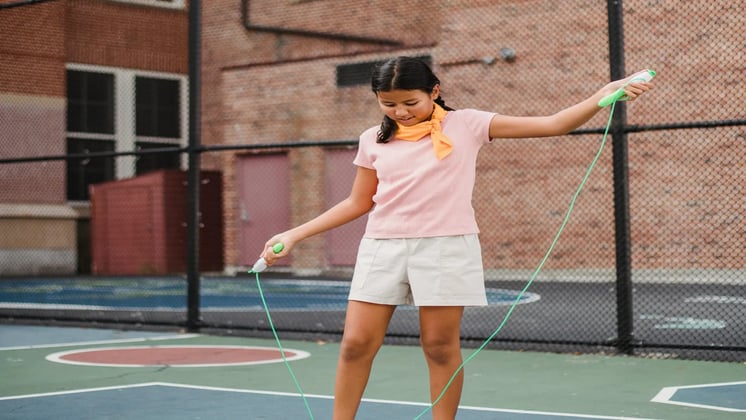
Skipping is a very good exercise that allows the child to keep on going until a certain goal. It showcases excellent endurance and body restraint with a single movement in a controlled manner. Although it is an exercise, it can be made into fun games, such as playing different tricks with the ropes or playing in a group. Children can compete in skipping races to make it more fun.
Obstacle Climbing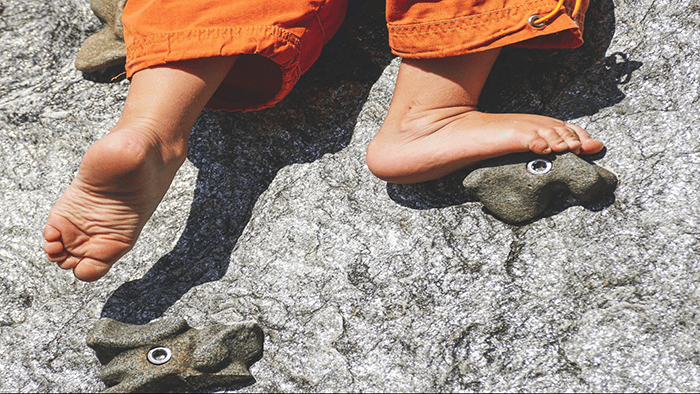
Obstacle climbing is an indoor wall-climbing game like rock climbing but with different obstacles stuck into the wall. The energy to hold on to different obstacles to climb further progresses endurance and resilience, helping the children develop higher ground. This kind of physical activity focuses on cardio and enhancing endurance capacity instead of other abilities showcasing strength. Obstacle climbing under parents' supervision can help a child taste the adrenaline rush, making it an adventurous and fun activity.
Football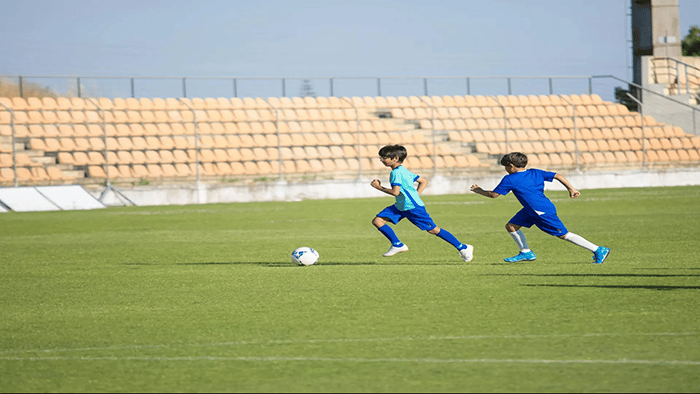
Children playing football have a half-time of 60 minutes, during which they must be on foot running from one end to another on the ground. Although football is a team game, it individually showcases the strength of the legs, resilience, and endurance throughout the match. Children playing football will have increased endurance and stamina compared to other children. Football is a sensation in the whole world, and the sport is considered a fun activity.
Gully Cricket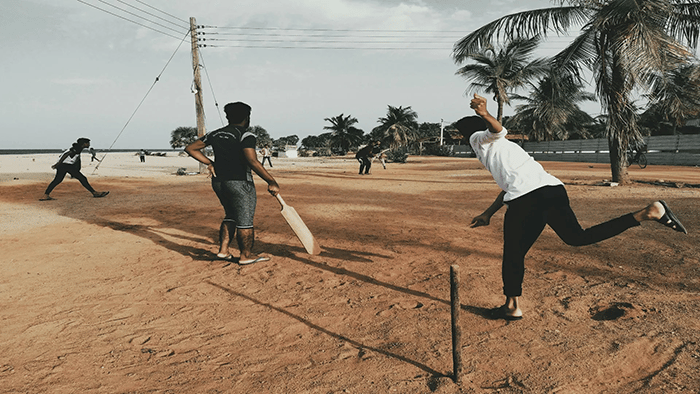
Gully cricket is also a fun and adventurous activity with rules according to the kids. This can enhance children's endurance as they constantly switch between batting and bowling. Also, children playing in areas such as alleyways, garages, and other places can make their running more difficult, enhancing their resistance and helping them build more endurance.
Tug Of War
A tug-of-war can be a friendly family or a friend's activity, which can increase the resistance and endurance in children by strength. A tug-of-war consists of ropes that are being pulled in either direction, showcasing strength and resistance to be the winner. There are mostly two teams playing this game, increasing endurance overall.
Ladder/ Stair Climbing
Young children can be entertained and helped with physical endurance by climbing a ladder or stairs. Children under five years who are recently learning to walk can engage in such activities, enhancing their strength and contributing to bone development. Parents must supervise children in such activities, constantly encouraging them to enjoy themselves.
Sit And Stand / In Or Out Game
If the children are not into many physical activities, some activities are fun and should be tried at home. Parents must take out a chair while commanding children to sit and stand anonymously multiple times. The constant movement will enhance endurance, like skipping. It can be made into a fun activity and a game where if children fail to obey the command, they are out. Similarly, the line game can serve the same purpose. Parents must draw a line from chalk and command children to jump in and out constantly to get that daily exercise and enhance endurance.
Pitthu
Pitthu is a traditional Indian game that most adults are familiar with. It consists of building a stone tower and two teams constantly playing to build it while dodging the ball. The team that has broken the tower first will have to dodge the ball while building the tower, and the opponents will have to run around trying to hit the other team members before the tower is made to win. The constant running and exercise through play will help build kids' physical endurance.
Dodgeball
Dodgeball is played with a bigger ball, like Picto, where two teams compete for physical exercise, enhancing their endurance. Dodgeball is a popular sport in various schools and can be played as a part of a fun indoor activity.
Kho Kho
Kho Kho is also a popular Indian sport that can be turned into a fun activity that enhances endurance in kids. Kho Kho is a team game played with many rules and activities. The constant need to sit and run around actively when chosen enhances the endurance and strength of the lower body in kids.
Why Physical Endurance Is Crucial for Kids' Health
Physical activity is more of a shared experience with your family involved. Children are engaged when they are involved. This also gives natural opportunities for bonding and encouragement. There is no pressure to perform or compete when you play with your family. It reinforces that movement is not only useful but also fun. Better than effort alone is family activity with regularity. This helps to get fitter and strengthen family ties.
Exercises should be fun, not feel like work. Variety holds children’s interest over time. Not pressuring about performance helps in retaining motivation in the long term. And that’s why celebrating effort instead of results is a healthier relationship with activity. If children really enjoy an activity, they are more likely to continue with it. Short, flexible sessions stop burnout before it happens. You get to be consistent without the pressure.
Endurance helps kids to do stuff without getting tired out too fast. This means more time to play and more physical activity on a regular basis. Children with more endurance tend to play group games longer. This promotes physical fitness and social interaction. A slow buildup of stamina reduces the risk of over-exertion. Regular activity also increases time to recovery between physical efforts. This sets a better foundation for lifelong fitness habits over time.
Over time, regular endurance training helps to strengthen the heart muscle. This promotes better circulation of blood throughout the body. Regular aerobic exercise also helps to increase lung capacity. Healthy hearts in children recover faster from exercise. This foundation supports health over the long term and well beyond childhood. If these habits are formed early on, future health risks can be greatly reduced. Regular activity, rather than vigorous, yields the longest-lasting benefit.
Conclusion
Regular and fun activity builds physical endurance. Here are ten easy, doable activities to build stamina. Family involvement and a relaxed attitude promote consistency over the long haul. This gradually leads to fitness and healthier habits.
Frequently Asked Questions
How can I motivate my child to participate in endurance activities?

Activities are much more motivating when they are fun and social. Joining in as a family also encourages consistent participation. Around sixty minutes of activity daily is generally recommended. This can be broken into shorter, manageable sessions throughout the day.
Smriti is a content writer who creates clear, practical, and informative content backed by science and relevant data. With a strong understanding of structured writing, she breaks down complex topics into simple, actionable insights. Her work is focused on helping readers prepare, learn, and grow with confidence and clarity.
The views expressed are that of the expert alone.
Popular Topics