




 Parenting Guide


 Child Health & Growth


 Learning & Skills Development


 Food & Nutrition


 Bournvita





Introduction
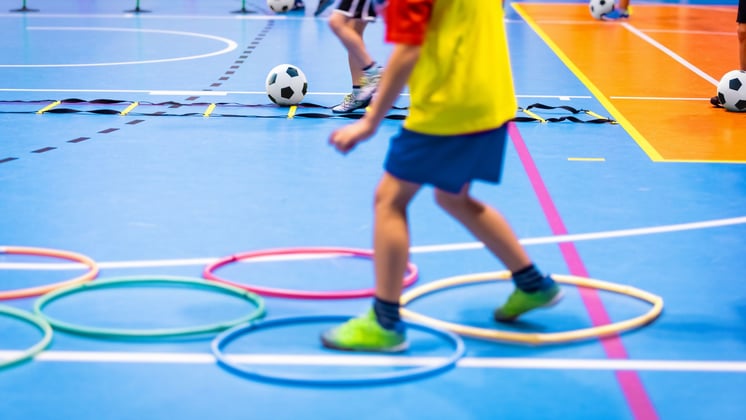
Indoor sports offer much more than physical fitness for children. They provide opportunities to build confidence, improve focus, develop friendships, and strengthen emotional well-being. Many parents focus on physical development but may overlook how movement supports the mind.
Activities such as basketball, volleyball, yoga, table tennis, and other indoor games for kids help children manage emotions, cope with challenges, and build important life skills. Participation encourages teamwork, communication, leadership, and self-belief while reducing feelings of loneliness and stress.
As concerns about child mental health continue to grow, indoor sports can play an important role in helping children stay active, engaged, and emotionally healthy. Through structured play and movement, children gain valuable experiences that support personal growth and overall well-being.
Why Indoor Sports Matter for Children’s Mental Health
Indoor sports provide a healthy outlet for movement, emotional expression, and social interaction while supporting mental and emotional development.
Rising Concerns Around Child Mental Health and Screen Dependency
Many children spend long hours using digital devices. Indoor sports provide opportunities for movement, interaction, and skill-building while reducing excessive screen exposure.
Indoor Sports as a Structured Outlet for Energy and Emotions
Physical activities help children channel excitement, frustration, and energy into positive experiences that support emotional well-being and healthy behavior.
Helps Children Stay Active Regardless of Weather or Space Constraints
Indoor sports create opportunities for movement throughout the year, even when outdoor conditions or limited space restrict physical activity.
How Indoor Sports Support Emotional and Mental Development

Movement-based activities influence both physical and emotional growth during childhood.
Links Between Physical Activity and Brain Function
Exercise increases blood flow to the brain, supporting concentration, learning, memory, and cognitive development in growing children.
Role of Play in Emotional Expression and Stability
Play allows children to express feelings, release tension, and understand emotions in a safe and supportive environment.
Importance of Routine and Structured Movement
Planned activities create stability, encourage healthy habits, and help children develop discipline and self-management skills.
Key Mental Health Benefits of Indoor Sports
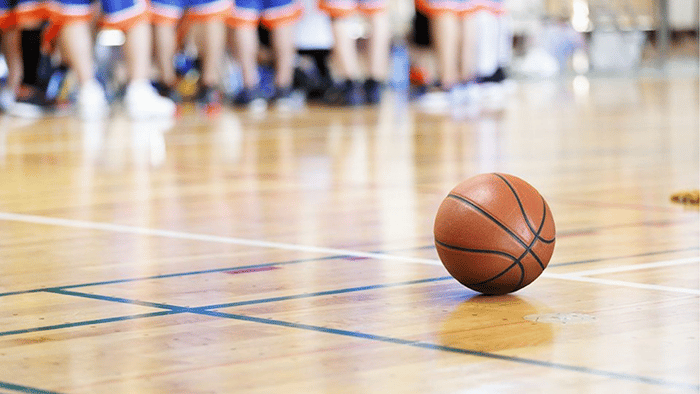
Indoor sports contribute to emotional growth, confidence, focus, and social development while making physical activity enjoyable.
Improved Focus and Concentration
Indoor sports improve attention span, task completion, and concentration. Repeated skill practice encourages discipline while helping children stay focused on goals and activities.
Better Emotional Regulation in Kids
Participation supports emotional regulation by helping children manage excitement, frustration, disappointment, and success. Competitive situations teach patience, self-control, and balanced responses.
Stress Relief and Anxiety Reduction
Physical movement supports stress relief by reducing tension and providing a healthy outlet for emotions. Active play helps children feel calmer and emotionally refreshed.
Increased Confidence and Self-Esteem
Learning new skills and achieving goals strengthens self-belief. Success during sports activities helps children develop confidence and encourages greater independence.
Development of Social Skills
Sports improve communication, cooperation, teamwork, and friendship-building. These experiences help children develop stronger relationships and social confidence.
Indoor Sports That Support Mental Health in Kids
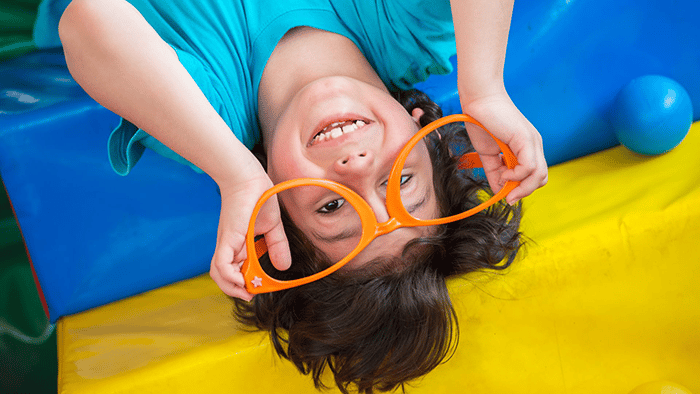
Different sports offer unique benefits that contribute to emotional and psychological well-being.
Basketball for Teamwork and Focus
Basketball improves coordination, strategic thinking, decision-making, teamwork, and concentration while helping children feel connected to a group.
Indoor Soccer (Futsal) for Agility and Confidence
Futsal encourages quick thinking, cooperation, confidence, and problem-solving while improving coordination and communication skills.
Volleyball for Communication Skills
Volleyball promotes teamwork, shared responsibility, communication, and trust among players while helping children learn cooperation.
Yoga for Emotional Balance

Yoga supports emotional health through breathing exercises, mindfulness, stretching, and relaxation techniques that encourage calmness and self-awareness.
Table Tennis for Focus and Reflexes
Table tennis improves hand-eye coordination, concentration, reaction speed, and mental alertness while providing enjoyable physical activity.
Indoor Games That Promote Mental Well-Being
Interactive indoor games for kids combine movement and play while supporting emotional wellness.
Balloon Games for Stress Relief
Balloon challenges encourage laughter, movement, and focus while helping children release energy and reduce tension.
Relay Games for Teamwork
Relay activities promote cooperation, communication, teamwork, and problem-solving through shared goals and group participation.
Puzzle-Based Movement Games for Focus
Combining physical tasks with puzzles strengthens concentration, memory, critical thinking, and engagement.
Role-Play Sports for Creativity and Confidence
Pretend-play sports activities encourage imagination, self-expression, confidence, and creative thinking while making movement enjoyable.
Long-Term Mental Health Benefits of Sports for Children
Participation in sports can influence emotional well-being throughout childhood and beyond.
Builds Resilience and Coping Mechanisms
Sports teach children how to handle challenges, setbacks, mistakes, and achievements in healthy ways.
Reduces Risk of Anxiety and Behavioral Issues
Active lifestyles support emotional balance and can help reduce stress-related concerns and behavioral difficulties.
Encourages Discipline and Emotional Maturity
Sports help children develop responsibility, patience, perseverance, self-control, and emotional awareness.
How Parents Can Encourage Indoor Sports Participation
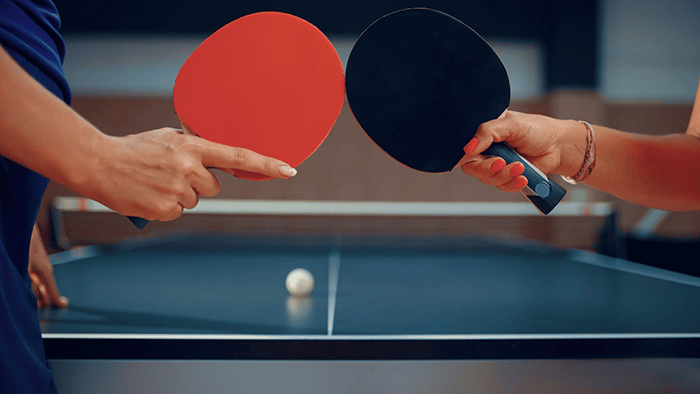
Parental support can make sports experiences enjoyable and meaningful for children.
Create a Safe and Engaging Play Environment
Provide adequate space, age-appropriate equipment, and a welcoming atmosphere that encourages participation.
Focus on Enjoyment Rather Than Performance
Allow children to enjoy activities without pressure, helping them build confidence and positive experiences.
Encourage Participation Over Competition
Celebrate effort, learning, and involvement rather than focusing solely on winning outcomes.
Be Involved to Boost Motivation
Joining activities, offering encouragement, and showing interest can increase enthusiasm and engagement.
Creating a Balanced Indoor Activity Routine
A simple schedule helps children enjoy movement while supporting physical and emotional well-being.
10 Minutes Warm-Up (Light Movement)
Begin with gentle stretching, walking, or simple mobility exercises to prepare the body for activity.
20 Minutes Sports or Games
Choose basketball, volleyball, yoga, table tennis, relay games, or other engaging indoor activities.
5–10 Minutes Cool-Down (Stretching or Breathing)
Finish with breathing exercises and gentle stretches to promote relaxation and recovery.
Frequently Asked Questions
How do indoor sports improve emotional health in kids?

Indoor sports help children manage emotions, build confidence, reduce stress, and develop social skills through structured physical activity.
What are the best indoor games for stress relief?
Balloon games, yoga, relay activities, movement challenges, and role-play sports are excellent options for reducing tension and improving mood.
Can sports help children with anxiety?
Physical activity can support emotional well-being by providing healthy outlets for stress while improving confidence and social connections.
How often should kids play indoor sports?
Children should participate in active play or sports daily as part of a balanced routine that supports growth and well-being.
Conclusion
Indoor sports support far more than physical fitness. They help children strengthen emotional regulation, build confidence, improve social skills, and develop resilience. Through enjoyable movement experiences, young children gain valuable tools that contribute to positive mental health and long-term well-being.
Her love for storytelling began with reading her grandfather’s speeches, where Tarishi saw the power of words in creating lasting memories. Combining her passions for food and writing, she has turned her life into a fulfilling path of sharing stories that celebrate flavours and how food brings communities together.
The views expressed are that of the expert alone.
Popular Topics