




 Parenting Guide


 Child Health & Growth


 Learning & Skills Development


 Food & Nutrition


 Bournvita




Introduction
Shape games for kids can turn everyday learning into a fun activity. From doors and school bags to wheels, windows and plates, children see different shapes around them every day. Learning to recognise shapes helps them understand their surroundings while building early skills in geometry, symmetry and spatial awareness. Instead of relying only on worksheets, parents can introduce shapes through simple games that involve searching, sorting, matching and creating. These activities make it easier for children to connect shape names with objects they already know. With a little creativity, shape recognition games can become an enjoyable part of playtime while helping children build important early mathematical skills.
Why Learning Shapes Matters for Kids?
Learning shapes gives children an early foundation for understanding geometry and the world around them. Recognising differences between circles, squares, triangles and other shapes can improve spatial awareness and help children understand dimensions, patterns and symmetry.
These skills can also support learning in other subjects. For example, children may use observation and spatial reasoning while learning science, building objects or understanding diagrams. Shape recognition also prepares them for later mathematical concepts such as area, perimeter and measurement.
Fun Games to Help Kids Learn Shapes
These simple shape recognition games can be played at home or in the classroom with everyday materials.
Shape Hunt
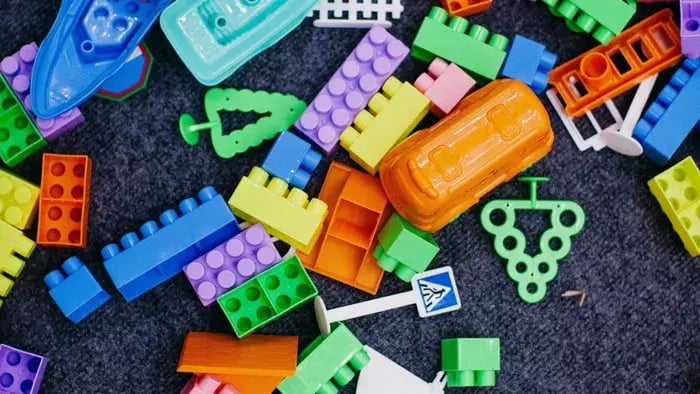
Turn your home into a shape-hunting zone. Start by introducing your child to a few basic shapes, then ask them to find objects that match each one.
For example, they might find a clock for a circle, a book for a rectangle or a tile for a square. You can give clues such as, “Find something that looks like a triangle.” As children search, ask them to name the shape and explain why the object matches it. This makes shape recognition more interactive and practical.
Shadow Shapes Game
A shadow game can make shape learning exciting, especially for younger children. In a dim room, use a torch or phone flashlight to create shadows of safe household objects on a wall.
Ask your child to identify the shape of each shadow. Connect the activity to familiar objects by explaining that a wheel resembles a circle or a chapati has a circular shape. You can also make funny voices or stories around the shadows to keep younger children interested.
Shape Bingo
Create simple bingo cards with different shapes such as circles, squares, triangles, rectangles and stars. Call out one shape at a time and ask your child to find and mark it on their card.
You can make the game more challenging by showing a shape instead of saying its name. This encourages children to identify the shape visually rather than simply remembering its name. Repeated rounds can help reinforce recognition and recall.
Shape Puzzle
Shape puzzles are particularly useful for preschoolers who are beginning to recognise basic shapes. Give children cut-outs of different shapes and ask them to place each one into its matching space.
Once they become comfortable with basic puzzles, introduce more challenging jigsaw puzzles containing different shapes. Encourage them to describe what they are doing, such as “This piece has three sides, so it is a triangle.” This adds vocabulary practice to the activity.
Shape Sorting Game
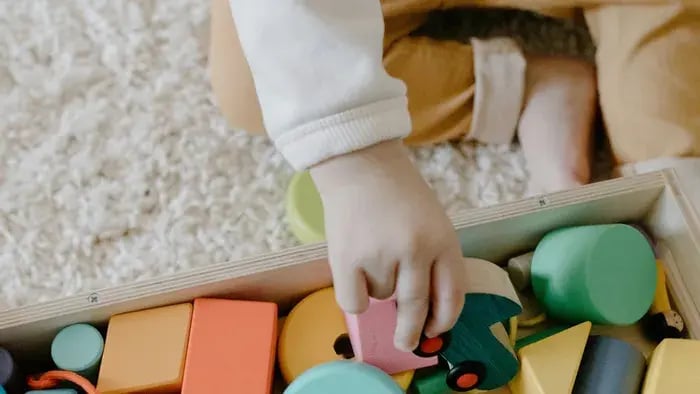
Place different shapes in front of your child, including circles, squares, triangles, pentagons and hexagons. Call out one shape and ask them to find it from the group.
You can make the activity more interesting by asking children to sort all the shapes into separate groups. For example, all circles go together, all triangles form another group, and so on. For older children, ask them to sort shapes according to the number of sides.
Play-Dough Shape Creation
Play-dough provides a hands-on way for children to learn shapes while exploring their creativity. Give them play-dough and ask them to make simple shapes using their hands or moulds.
Once they become comfortable, encourage them to create shapes independently. They can then combine circles, squares and rectangles to make a larger picture or object. For example, children can build a train using rectangular carriages, circular wheels and square windows. This makes shape learning more creative and memorable.
Tips to Make Shape Learning Age-Appropriate
Start with simple shapes according to your child's age and familiarity. Toddlers and preschoolers can begin with circles, squares, triangles and rectangles using familiar household objects.
As children become more confident, introduce shapes with more sides, such as pentagons, hexagons and octagons. Older children can learn about symmetry, dimensions, sides and angles while playing more advanced matching or sorting games.
Keep the activities short and playful, especially for younger children who may have shorter attention spans. You can also repeat familiar games with new objects or shapes so that learning stays interesting without becoming overwhelming.
Conclusion
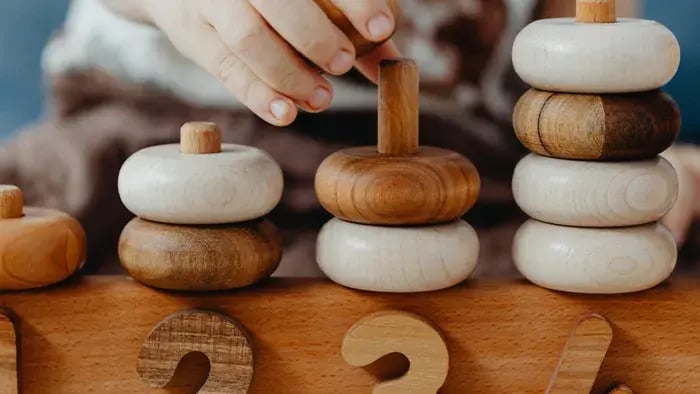
Developing shape recognition helps children connect what they learn with the world around them. It builds observation, spatial awareness and early mathematical reasoning while preparing them for concepts such as geometry and measurement. Instead of making shape learning feel like a lesson, parents can use simple games to make it part of everyday play. Pick one shape game for kids this week and let your child learn through searching, sorting, creating and exploring.
Frequently Asked Questions
At what age should kids start learning shapes?

Children can begin recognising simple shapes during the toddler and preschool years. Start with familiar shapes such as circles, squares and triangles.
How can I teach shapes to a toddler who gets easily distracted?
Keep activities short and hands-on. Shape hunts, sorting games, play-dough and familiar household objects can make learning more engaging.
What shapes should kids learn first?
Start with basic shapes such as circles, squares, triangles and rectangles. Once children recognise these confidently, introduce more complex shapes.
How do shape games help with math and geometry later on?
Shape games build visual and spatial awareness, which can support later learning about geometry, measurement, symmetry, area and perimeter.
Her love for storytelling began with reading her grandfather’s speeches, where Tarishi saw the power of words in creating lasting memories. Combining her passions for food and writing, she has turned her life into a fulfilling path of sharing stories that celebrate flavours and how food brings communities together.
The views expressed are that of the expert alone.
Popular Topics