




 Parenting Guide


 Child Health & Growth


 Learning & Skills Development


 Food & Nutrition


 Bournvita






Introduction
Being physically active is important for children at every stage of growth. Regular movement is important for physical fitness, healthy growth, motor skills, and weight management. It can also support cognitive development, attention, and overall well-being. The benefits of physical activity for kids go beyond building stronger muscles. Sports, active games, dancing, cycling, and other forms of movement can encourage children to focus, develop coordination, and learn skills such as teamwork and time management.
The World Health Organization (WHO) recommends that children and adolescents ages 5–17 get an average of at least 60 minutes of moderate- to vigorous-intensity physical activity each day. It also recommends including vigorous activities and activities that strengthen muscles and bones at least three days a week.
While every child has different needs and abilities, changes in energy, stamina, movement, or mood may suggest a need for more opportunities to be active.
Signs Your Child Needs More Physical Activity
Poor Posture
Poor posture while walking, standing, sitting, or writing can sometimes be associated with long periods of sitting or sedentary activities. Children who spend extended periods sitting at a desk or using screens may benefit from regular movement breaks and activities that build core strength. Age-appropriate sports, active games, and exercises that strengthen the core can encourage better movement habits. If posture concerns persist or cause pain, parents should discuss them with a pediatrician or other qualified healthcare professional.
Low Stamina & Mobility Issues
Some children may tire quickly while running, walking, climbing stairs, or standing for extended periods. They may also avoid activities that require sustained movement. These can be signs that a child needs more opportunities to gradually build stamina and endurance. Parents can start with activities that the child enjoys, such as walking, cycling, swimming, dancing, or playing simple outdoor games. The duration and intensity can increase gradually as the child's fitness improves.
Muscle Weakness
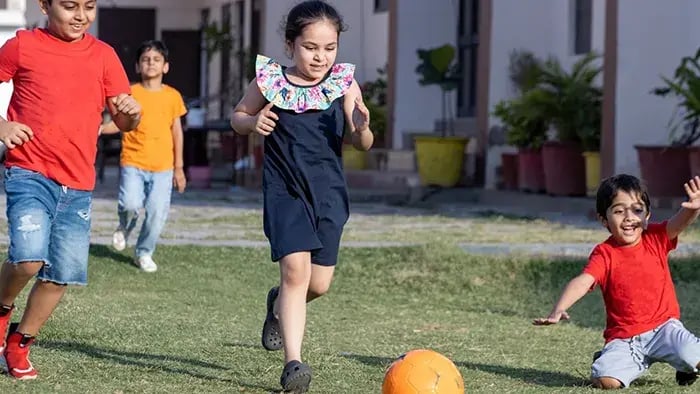
When children are not regularly active, they may have fewer opportunities to develop muscular strength. This can sometimes make everyday activities such as climbing stairs, carrying light items, or walking on an incline feel more difficult. Age-appropriate activities such as climbing, running, jumping, swimming, or supervised strength-building exercises can help children develop strength as part of a varied routine. Activities should match the child's age and ability rather than focusing on strenuous workouts.
Difficulty Managing Body Weight
A child who is gaining excess weight may have more difficulty with movement, posture, or everyday physical activities. Sleep, eating habits, activity levels, and other factors can all influence a child's overall health and weight. Rather than placing a child on a strenuous exercise routine, parents should focus on enjoyable daily movement and balanced eating habits. If there are concerns about a child's weight or growth, a pediatrician can provide guidance suited to the child's individual needs.
Low Energy or Irritability
Inactivity may also show up through changes in mood and daily energy. A child who frequently feels sluggish, becomes irritable, or loses interest in activities they once enjoyed may benefit from more opportunities for active play. Physical activity can support mental well-being and mood, and WHO notes that activity among children and adolescents is associated with benefits for mental health and cognitive outcomes. However, persistent changes in mood or energy should not automatically be attributed to inactivity and may warrant a conversation with a paediatrician.
How Much Physical Activity Does a Child Actually Need?
The recommended amount depends on age:
- Under 5 years: WHO recommends plenty of movement throughout the day. Children ages 1–2 should get at least 180 minutes of physical activity spread throughout the day. For ages 3–4, at least 180 minutes is recommended, including at least 60 minutes of moderate- to vigorous-intensity activity.
- Ages 5–17:Children and adolescents should get an average of at least 60 minutes of moderate- to vigorous-intensity physical activity each day across the week. Most should be aerobic, with vigorous activities and muscle- and bone-strengthening activities included at least three days a week.
- Ages 18 and older:Adults generally need at least 150–300 minutes of moderate-intensity aerobic activity per week, or 75–150 minutes of vigorous activity, along with muscle-strengthening activities on at least two days a week.
These are general guidelines, not a requirement that every child follow the exact same routine. WHO also emphasizes that some physical activity is better than none and that children who are currently inactive can start with smaller amounts and gradually increase activity.
How to Encourage Kids to Be More Active
Creating a positive environment can make physical activities for kids feel less like a chore and more like a normal part of the day.
Be an Example
Teaching children about physical fitness by setting an example can be one of the easiest ways to encourage them. Parents can stay active themselves and involve children in activities such as walking, cycling, playing sports, or exercising together. Shared activities can also become an opportunity for family bonding. When children see movement as a normal part of family life, they may be more willing to participate.
Reduce Screen Time

Long periods spent watching television or using phones and other devices can reduce opportunities for active play. Instead of simply taking screens away, parents can replace some sedentary time with enjoyable alternatives. Outdoor games, walks, cycling, dancing, reading breaks, and family activities can help children spend more time moving. WHO also recommends limiting sedentary screen time to avoid interfering with play and sleep.
Introduce Variety
Repeating the same activity for a long time can become boring. Create a varied routine that includes sports, dancing, cycling, swimming, active games, or other forms of movement that the child enjoys. Switching activities can keep children interested while allowing them to develop a range of physical skills. The goal is to make movement enjoyable rather than turning every activity into a fitness test.
Use Positive Reinforcement
Positive encouragement can make children feel more confident about being active. Recognize their consistency and small achievements rather than focusing only on performance. Avoid harsh criticism when motivation is low. A supportive environment can help children build a healthier relationship with exercise and stay interested in movement over time.
Conclusion
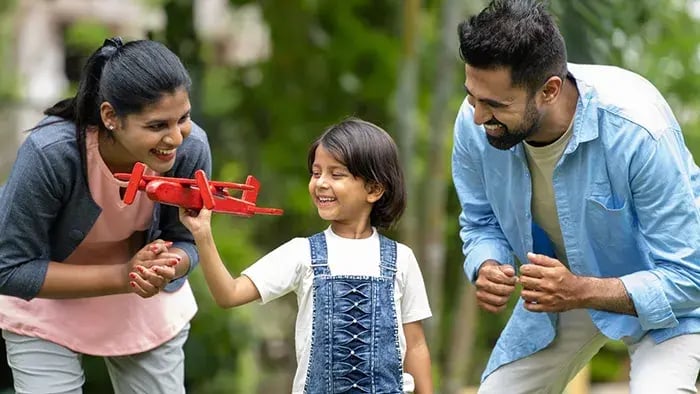
The benefits of physical activity for kids extend beyond physical fitness. Regular movement can support healthy growth, motor development, cognitive skills, mood, and overall well-being. Parents can encourage these benefits by making activity a regular and enjoyable part of family life rather than treating exercise as a punishment or obligation. If a child continues to experience unusual fatigue, mobility difficulties, pain, significant mood changes, or concerns about growth or weight, parents should consult a pediatrician. For everyday activity, start small, keep it enjoyable, and gradually build a routine that works for the child.
Frequently Asked Questions
How much physical activity does a child need each day?

Children ages 5–17 should get an average of at least 60 minutes of moderate- to vigorous-intensity physical activity each day across the week. Children under 5 have different recommendations: younger children are encouraged to be active throughout the day.
What are the early signs of a sedentary lifestyle in kids?
Possible signs include low stamina, tiring quickly during everyday activities, spending long periods sitting, avoiding active play, low energy, and irritability. These signs can have many causes, so persistent concerns should be discussed with a pediatrician.
What's the best way to make exercise fun for reluctant kids?
Let children choose activities they enjoy rather than forcing them into one type of exercise. Sports, dancing, cycling, swimming, outdoor games, and family walks can all count as movement. Adding variety and joining in as a parent can also make the activity more enjoyable.
The views expressed are that of the expert alone.
Popular Topics