




 Parenting Guide


 Child Health & Growth


 Learning & Skills Development


 Food & Nutrition


 Bournvita





Introduction
Indian summers can feel intense, with rising temperatures often affecting daily comfort, energy levels, and overall well-being. During this season, simple lifestyle adjustments and thoughtful food choices can help families stay refreshed and active. Nature offers a wide range of summer fruits and vegetables that are naturally high in water content and essential nutrients. According to research, including these seasonal foods in regular meals can support hydration while also providing vitamins and minerals that contribute to balanced growth and stamina.
Understanding the value of summer fruits and vegetables in India helps parents plan routines that keep children comfortable even during peak heat. Fresh produce such as juicy fruits and light vegetables can help maintain fluid balance and prevent tiredness caused by dehydration. Many summer season fruits in India are easy to include in everyday meals, whether as refreshing snacks, simple salads, or part of traditional recipes. This approach allows families to enjoy both taste and nourishment without making complicated changes.
Why Eating Seasonal Summer Produce is Crucial?
During the warmer months, the body naturally loses more fluids due to increased sweating and exposure to heat. This makes it important to include summer fruits and vegetables that help restore hydration and support overall comfort. Seasonal produce is usually lighter, easier to digest, and naturally rich in water and essential nutrients. According to WHO, focusing on fresh and locally available foods during summer to maintain energy levels and support balanced body functions. Understanding the importance of summer fruits and vegetables in India helps families make simple and practical choices that contribute to daily well-being.
Hydration and Electrolyte Balance
Hot weather can lead to loss of important minerals such as potassium and sodium through perspiration. While drinking water is essential, certain summer season fruits in India like watermelon, cucumber, and muskmelon provide both fluid and natural electrolytes. According to research published in Treasure Island 2026, these foods help restore balance and prevent fatigue or dizziness caused by dehydration. Including such hydrating options as snacks or side dishes allows children to stay active and comfortable even during outdoor activities. Seasonal eating habits also support smoother digestion, which can be affected by extreme heat.
Boosting Immunity in Hot Weather
Seasonal temperature changes can sometimes affect immunity, making children more prone to minor infections or seasonal discomfort. Many fruits available in summer contain Vitamin C and antioxidants that support the body’s natural defence system. According to NIDM, regular intake of vitamin-rich produce can help maintain resistance to common summer ailments. Fresh citrus fruits, berries, and light vegetables can be included in everyday meals to support immunity while also contributing to hydration and overall nutritional balance.
Best Hydrating Summer Fruits in India
Seasonal fruits play an important role in maintaining comfort and energy during warm weather. Including summer fruits and vegetables in India that are naturally rich in water and nutrients can help children stay refreshed and active. Among the popular summer season fruits in India, litchi and jamun are widely enjoyed for their taste as well as their hydrating and supportive nutritional qualities.
Watermelon (Tarbooz)
Watermelon is popularly known as the heart of the summer fruit production in India. It is juicy, hydrating, sweet, and extremely refreshing. One of the best aspects of watermelon is it is a substantial natural hydration for your child and helps in restoring lost electrolytes. In India, you will find that the majority of the watermelon production happens in states like Maharashtra, Uttar Pradesh, Tamil Nadu, and Karnataka. As per molecules published in 2020, having antimicrobial and anti-inflammatory properties, watermelon may also reduce the risk of many chronic health diseases among kids and adults.
Selection Tip: Choose watermelons that feel heavy for their size and have a creamy yellow patch on the rind, which indicates natural ripening. Do not pick fruits with soft spots or cracks.
Mango (Aam) - The King of Fruits
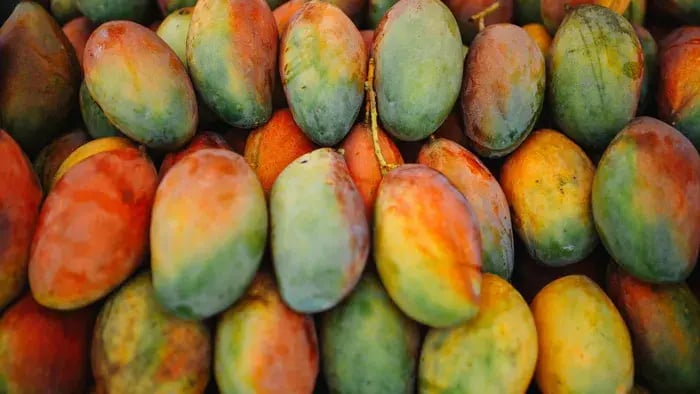
Summers in India are synonymous with mangoes. There are several varieties of mangoes found in India, such as Langra, Kesar, Safeda, and Dashehari. One of the best quality mangoes, Alphonso is widely grown in Maharashtra. Many other varieties of mangoes are grown in states like Uttar Pradesh, Andhra Pradesh, and Gujarat. It's also important for you to teach your child about the nutritional benefits of mangoes. As per nutrients published in 2021, mangoes can be a substantial source of multiple vitamins for your child and offer high dietary fiber and magnesium.
Selection Tip: Select mangoes that have a pleasant fruity aroma near the stem and yield slightly when pressed. Do not buy overly wrinkled or overly hard fruits.
Muskmelon (Kharbooz)

Muskmelon is a sweet and refreshing fruit widely produced in the state of Uttar Pradesh. Other states such as Punjab, Madhya Pradesh, and Andhra Pradesh also produced musk melon. As per the Food Science & Nutrition published in 2019, muskmelon is power-packed with many bioactive compounds, vitamins A and C, and also has anti-inflammatory properties that can benefit your child. Moreover, you may also feed it to your child as an alternative to junk food while giving them something delicious yet good for the body.
Selection Tip: Choose muskmelons that have a light golden colour and a slightly sweet aroma. A ripe fruit should feel firm yet slightly soft at the blossom end.
Litchi and Jamun
Litchi contains approximately 80–82% water, making it a refreshing choice during peak summer days. According to NHB, it is a natural source of Vitamin C, potassium, and antioxidants, which support immunity and help maintain healthy skin in hot weather. Its mild sweetness and juicy texture make it appealing for children who may need encouragement to enjoy seasonal fruits. According to a study published in Int J Food Sci. 2025, jamun has a water content of around 83–85%, which helps maintain fluid balance during the summer season. It is rich in iron, Vitamin C, and natural plant compounds that support digestion and overall blood health.
Selection Tip: Choose litchis with a bright pinkish-red peel and a slightly firm feel. Select jamuns that are deep purple or nearly black with a smooth, glossy surface.
Papaya (Papita)
Papaya is yet another fruit that you can find abundantly available in India during summer. It is known for its dark orangish flesh and the tiny black-colored seeds in between. It is subtly sweet and good for your child's health because it is a strong source of vitamins, minerals, and hydration. In India, papaya is grown in different states like Karnataka, Andhra Pradesh, and Gujarat. As per biology published in 2021, papaya can also help with indigestion, strengthening bones, and reducing the risk of cardiovascular problems.
Selection Tip: Pick papayas that show a yellow-orange skin tone and feel slightly soft when pressed.
Plum (Aloo Bukhara)
Also called Aloo Bukhara, the plum is a sweet and sour fruit that has a bright reddish color. In India, you can find the cultivation of plums primarily happening in hilly areas, such as Jammu and Kashmir, Himachal Pradesh, and Uttarakhand. As per JNS published in 2023, plums are a rich source of antioxidants. Additionally, feeding plums to your child may show some significant health benefits, such as improved digestion, immunity, and better management of blood sugar levels in the body.
Selection Tip: Look for plums that are smooth, slightly firm, and brightly coloured. Make sure to not pick fruits that appear shrivelled or excessively soft.
Jackfruit (Kathal)
Popularly known as Kathal in India, jackfruit is a multipurpose fruit used to make several savory dishes as well as consumed on its own. Jackfruit is generally cultivated in states like Bihar, Tamil Nadu, and Kerala. It is quite popular among vegetarians because of its striking similarity to chicken meat in terms of texture. As per the International Journal of Food Science published in 2019, jackfruit is a rich source of minerals, like magnesium, calcium, sodium, and potassium, making it a great choice for your kid.
Selection Tip: Select jackfruits that have a strong sweet aroma and slightly soft spikes on the outer skin. Avoid fruits with very hard spikes or no fragrance, as they may be unripe.
Pineapple (Ananas)
Pineapple contains nearly 86% water, making it a refreshing choice among summer fruits and vegetables in India. According to a study published in J Pharmacopuncture. 2023 it is rich in Vitamin C, manganese, and digestive enzymes like bromelain, which support digestion and help reduce feelings of heaviness during hot weather. Its natural sweetness and juicy texture make it appealing for children who need encouragement to consume fruits during the summer season. Regular intake in moderate portions can help maintain hydration and provide steady energy for outdoor activities.
Selection Tip: Choose pineapples with a sweet aroma at the base and fresh green leaves. Avoid fruits with dry leaves or overly soft spots, as they may indicate over-ripeness.
Tender Coconut (Nariyal Pani Fruit Pulp)
Tender coconut contains over 90% natural water, making it one of the most effective hydrating summer options. According to the coconut development board, it is rich in electrolytes such as potassium, sodium, and magnesium, which help restore fluid levels lost through sweating. The soft coconut pulp also provides gentle nourishment and supports digestive comfort. Including tender coconut in summer routines can help maintain stamina and reduce the risk of dehydration during travel or outdoor play.
Selection Tip: Choose coconuts that feel full and heavy with a clear sloshing sound inside. Avoid those with cracks or extremely dry outer husk, as freshness may be affected.
Sweet Lime (Mosambi)
Sweet lime has a high water content of around 88%, making it one of the most hydrating fruits available in summer. Research published in Antioxidants (Basel). 2023 suggested that it provides Vitamin C, potassium, and natural electrolytes, which help support immunity and maintain fluid balance during intense heat. Its mild flavour and easy digestibility make it suitable for children and adults alike. Consuming fresh sweet lime juice without added sugar can help maintain freshness and reduce heat-related fatigue.
Selection Tip: Select mosambi that feels heavy for its size with smooth, thin skin. Avoid fruits with dull patches or extremely hard texture, as they may be less juicy.
Top Cooling Summer Vegetables
Choosing light and hydrating vegetables becomes especially important during the hot summer months. Seasonal produce like bottle gourd, bitter gourd, and okra is often valued for its high water content and easy digestibility. These vegetables help support natural cooling, maintain fluid balance, and prevent the discomfort that may come from consuming heavy or oily foods.
Cucumber (Kheera)
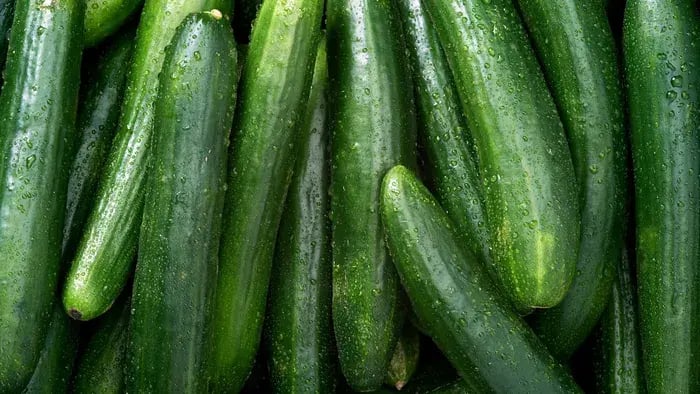
Although you may find cucumbers in almost all the months of the year, the variety available during summer is extremely refreshing and juicy. Cucumbers can be your favorite salad option to serve with main course dishes. It's a very naturally hydrating fruit and can also be used to make special detox waters for your child. In India, cucumbers are grown in different states like Madhya Pradesh, Haryana, and West Bengal. As per the Phytochemical and therapeutic potential of cucumber published in 2013, cucumber may also help in better weight management among kids and lower blood sugar levels.
Bottle Gourd (Lauki)
Bottle gourd is widely recognised in Indian households as one of the most soothing and cooling vegetables during the summer season. It has a very high water content and a light texture, which makes it easy to digest and gentle on the stomach. Research published in Indian J Med Res. 2012 shows that lauki in meals can help maintain hydration levels and support natural detoxification processes.
Bitter Gourd (Karela)
Bitter gourd is known for its unique taste and strong traditional value in summer diets. It is often described as a natural blood-purifying vegetable in Indian wellness traditions. As per a study published in Sci Rep. 2026, karela contains plant compounds that support digestion and help maintain internal balance during hot weather. Its slightly bitter flavor is also associated with appetite regulation and improved gut health. Consuming karela in light preparations such as sautéed slices or stuffed dishes can make it easier for families to include this vegetable in seasonal meals.
Okra (Bhindi)
Okra is another summer vegetable that is considered light and hydrating when cooked with minimal oil and spices. According to a study published in Molecules. 2021, it provides dietary fibre along with essential nutrients that support smooth digestion and sustained energy levels. Bhindi is often appreciated for its soft texture, making it suitable for simple home-style recipes like dry bhindi sabzi or mild curries. Including such cooling vegetables helps maintain comfort and nutritional balance during rising temperatures.
Simple Summer Recipes to Stay Cool
Add refreshing seasonal recipes in daily routines can help manage heat and maintain comfort during hot weather. Light, hydrating preparations made from summer fruits and vegetables can support digestion, maintain energy, and help the body stay naturally cool. These simple recipes are easy to prepare and suitable for both children and adults.
Watermelon Mint Salad
Watermelon Mint Salad is a quick and refreshing dish that helps maintain hydration levels during peak summer. Juicy watermelon cubes combined with fresh mint leaves and a squeeze of lemon create a naturally cooling blend of flavors. This light preparation supports fluid balance, aids digestion, and offers a pleasant way to enjoy seasonal fruits without heaviness. It can be served chilled as an afternoon snack or a post-play refreshment option for children.
Cucumber Mint Cooler
Cucumber Mint Cooler is a soothing summer drink known for its cooling and calming effect on the body. Blending chilled cucumber with mint leaves and a small pinch of rock salt helps replenish electrolytes lost through sweating. This gentle and hydrating beverage supports digestive comfort and helps reduce the feeling of fatigue during warm afternoons. It can be served fresh after outdoor activities to restore natural freshness and energy.
Raw Mango Panna
Raw Mango Panna is a traditional summer preparation valued for its refreshing taste and restorative qualities. Made by mixing boiled raw mango pulp with cumin and a small amount of jaggery, this drink supports electrolyte balance and helps manage heat-related tiredness. Its mildly tangy flavor makes it enjoyable while also helping maintain fluid levels in the body. Serving it slightly chilled can enhance its cooling effect during intense summer days.
Frequently Asked Questions
Which fruit is best for summer heat?

Fruits with high water content like watermelon, muskmelon, and litchi are commonly considered helpful during summer heat. They naturally support hydration, provide essential vitamins, and help maintain energy levels when temperatures rise.
What vegetables should be avoided in summer?
Heavy, oily, or very spicy vegetable preparations are often best limited in hot weather because they may cause digestive discomfort. Deep-fried or overly rich dishes can increase body heat and reduce the feeling of lightness during the day.
How can I increase my water intake through food?
Including water-rich fruits and vegetables such as cucumber, bottle gourd, watermelon, and tomatoes can naturally boost daily fluid intake. Soups, fresh salads, and mild coolers are also practical ways to support hydration without relying only on plain drinking water.
Pakhi writes with the belief that dessert isn’t just a dish—it’s a mood. Her work blends storytelling with tips, turning timeless treats and trendy bites into accessible moments of comfort, celebration, and creative expression.
The views expressed are that of the expert alone.
Popular Topics