




 Parenting Guide


 Child Health & Growth


 Learning & Skills Development


 Food & Nutrition


 Bournvita





Introduction
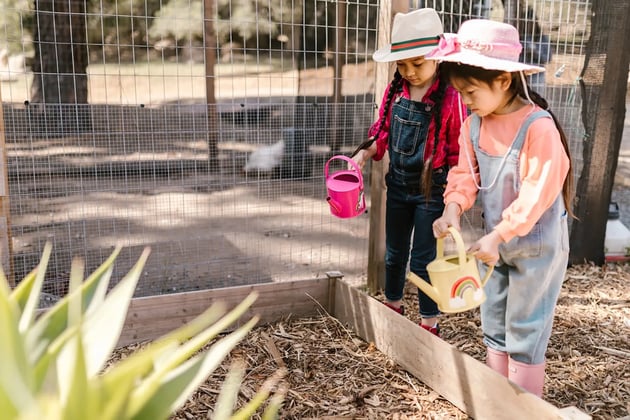
Home gardening is one of the most effective ways of teaching kids about nutrition while making learning enjoyable and practical. When children grow fruits, vegetables, and herbs themselves, they gain a deeper understanding of how food reaches their plates. This hands-on experience creates curiosity about healthy choices and encourages them to explore different foods with greater interest. Through gardening with kids, families can turn everyday lessons into exciting activities that combine science, nature, and nutrition.
Children who participate in planting, watering, and harvesting often feel proud of their efforts and become more willing to taste fresh produce. Activities such as seed planting activity for kids, maintaining a nature journal for kids, and exploring easy plants for kids to grow help build valuable life skills while supporting healthy eating habits. Home gardens also provide opportunities for garden-based nutrition education, making concepts like vitamins, minerals, and balanced meals easier to understand. By connecting gardening with cooking and food preparation, parents can create meaningful learning experiences that support lifelong wellness.
Why Home Gardening Is a Powerful Tool for Teaching Kids About Nutrition?
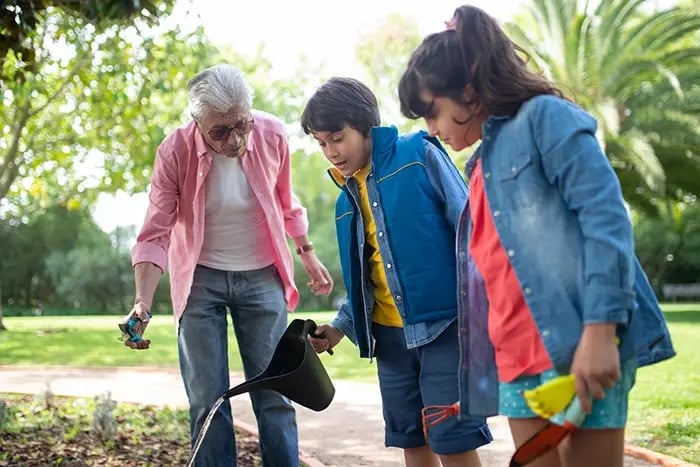
Home gardens make nutrition education for kids engaging and practical. Children see food grow from seed to harvest, helping them understand healthy eating in a meaningful way. This approach builds curiosity about fruits and vegetables, supports better food choices, and transforms teaching kids about nutrition into an enjoyable everyday experience rather than a classroom lesson.
How Gardening Helps Children Understand Nutrition
Gardening connects food, health, and learning through real experiences that make nutrition concepts easier for children to understand.
From Soil to Plate Learning
Children observe how food grows, helping them connect gardening, harvesting, cooking, and healthy eating habits.
Understanding Where Food Comes From
Growing vegetables teaches children about food production and the effort involved before meals reach the table.
Building Healthy Food Choices Early
Children often become more interested in tasting vegetables and fruits they helped grow themselves.
Encouraging Hands-On Learning
Gardening promotes hands-on learning through observation, planting, watering, harvesting, and problem-solving activities.
Fun Gardening Activities That Teach Nutrition to Kids
These gardening activities for kids combine outdoor learning with engaging nutrition activities for kids that encourage healthier food habits.
Plant a Rainbow Garden
Grow vegetables and fruits in different colors such as orange carrots, purple eggplants, yellow peppers, and green spinach. This activity demonstrates the benefits of eating the rainbow, teaches vitamins and minerals linked to colors, and encourages children to enjoy a wider variety of foods.
Learn About Plant Parts We Eat
Help children explore plant parts we eat by growing roots such as carrots and beetroot, leaves such as spinach and lettuce, fruits such as tomatoes and cucumbers, and seeds such as corn and peas. This activity links plant science with nutrition lessons.
Start a Recipe Garden
Create themed gardens such as a pizza garden with tomatoes and basil, a salad garden with lettuce and cucumbers, or a smoothie garden featuring mint and fruits. These farm-to-table activities for kids connect growing food with preparing meals.
Seed Planting Activity for Kids
A seed-planting activity for kids lets children plant seeds, water them, and observe their development over time. This process teaches patience, responsibility, and plant growth cycles.
Keep a Nature Journal for Kids
A nature journal for kids helps children track plant growth, record observations, draw vegetables, and write notes about changes they notice throughout the growing season.
Nutrition Experiments with Homegrown Food
Compare homegrown produce with store-bought vegetables through taste tests. Children can observe differences in flavor, texture, freshness, and appearance while learning about food quality.
Easy Plants for Kids to Grow at Home
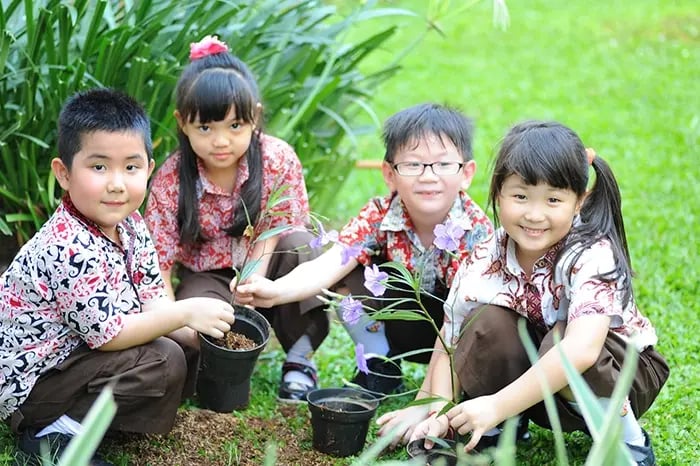
Simple plants help beginners experience success and stay interested in gardening.
Tomatoes
Tomatoes grow well in containers and provide visible progress, making them exciting for young gardeners.
Spinach
Spinach grows quickly and introduces children to leafy vegetables used in many healthy meals.
Mint
Mint is easy to maintain and offers a pleasant fragrance that children enjoy exploring.
Coriander
Coriander grows well in small spaces and can be harvested within a short period.
Beans
Beans germinate quickly and help children observe plant development from seed to harvest.
Radish
Radishes grow rapidly, making them ideal for introducing gardening to beginners.
Healthy Eating Activities Linked to Gardening
These healthy eating activities for kids connect gardening experiences with practical nutrition lessons.
Cooking Simple Meals from the Garden
Prepare salads, sandwiches, or wraps using harvested ingredients to help children appreciate fresh produce.
Creating Colorful Plates (Eat the Rainbow)
Arrange colorful fruits and vegetables on plates to demonstrate the value of variety.
Sorting Foods by Nutrients
Group foods according to vitamins, minerals, fibre, and protein to support understanding of balanced eating.
Identifying Healthy vs Junk Food
Compare nutritious foods with highly processed options to encourage smarter food choices.
Tips for Parents to Teach Nutrition Through Gardening
Simple approaches help children stay engaged while learning valuable lessons about food and health.
Involve Kids at Every Stage
Allow children to participate in planning, planting, watering, harvesting, and preparing meals.
Keep Activities Simple and Fun
Short, enjoyable tasks help maintain interest and make learning more effective.
Avoid Overloading with Theory
Focus on practical experiences rather than lengthy explanations.
Let Kids Make Choices
Allow children to choose plants, recipes, and gardening tasks whenever possible.
Celebrate Small Wins
Recognize milestones such as first sprouts, flowers, or harvests to maintain enthusiasm.
Common Mistakes to Avoid
Avoiding these mistakes can improve the gardening and learning experience.
Treating Gardening Like a Task
Keep activities enjoyable rather than turning them into obligations.
Forcing Children to Eat Everything
Encourage tasting without pressure to create positive food experiences.
Choosing Difficult Plants
Begin with beginner-friendly options that produce quicker results.
Ignoring Follow-Up Activities
Connect gardening lessons with cooking and nutrition discussions.
Not Linking Gardening with Meals
Show children how harvested ingredients become part of everyday dishes.
Frequently Asked Questions
How does gardening help children learn about nutrition?

Gardening allows children to see how food grows and understand the connection between plants, meals, and healthy eating habits.
What are the best nutrition activities for kids at home?
Growing vegetables, creating colorful plates, cooking simple recipes, and sorting foods by nutrients are excellent activities.
Which plants are easiest for beginners?
Tomatoes, mint, radish, spinach, coriander, and beans are among the easiest options for children.
How can I teach kids to eat healthy foods?
Involve them in growing, preparing, and serving food. Children often show greater interest in foods they helped produce.
What is the “eat the rainbow” concept?
The concept encourages eating fruits and vegetables of different colors because each color group provides unique nutrients and health benefits.
Deepali is a senior food and wellness writer with over a decade of experience in top media houses, crafting engaging narratives. She is a professional home baker and loves exploring food from every corner of the world to reading cookbooks. She believes a healthy lifestyle is a combination of both mental and physical fitness. Her goal always remains to keep moving, eating seasonal and practicing gratitude.
The views expressed are that of the expert alone.
Popular Topics