




 Parenting Guide


 Child Health & Growth


 Learning & Skills Development


 Food & Nutrition


 Bournvita





Introduction
Family gardening is a fun way to bring everyone together while learning valuable life skills. From growing vegetables to caring for flowers, kids' gardening teaches patience, teamwork, and responsibility. These simple family garden ideas also create memorable experiences, encourage outdoor play, and turn everyday moments into meaningful family activities that children can enjoy for years.
Why Start a Family Garden with Kids
Starting a garden helps children connect with nature while developing practical skills. It promotes hands-on learning, teamwork, and responsibility. Gardening also creates screen-free family activities, introduces sustainability concepts, and helps children understand where food comes from through enjoyable nature activities.
Benefits of Family Gardening for Children
Encourages Hands-On Learning
Gardening provides excellent hands-on learning opportunities. Children observe plant growth, understand seasons, explore soil health, and learn basic science concepts through real experiences rather than textbooks.
Builds Responsibility and Patience
Taking care of plants teaches children that growth takes time. Daily tasks such as watering and monitoring progress help develop responsibility, patience, and commitment.
Supports Healthy Eating Habits
Children often become more interested in tasting vegetables and herbs they have grown themselves. This can encourage healthier food choices and curiosity about nutrition.
Strengthens Family Bonding
Family gardening brings parents and children together through shared goals. Working as a team creates quality time, stronger relationships, and lasting memories.
How to Start a Family Garden with Your Kids
Discuss Family Garden Ideas Together
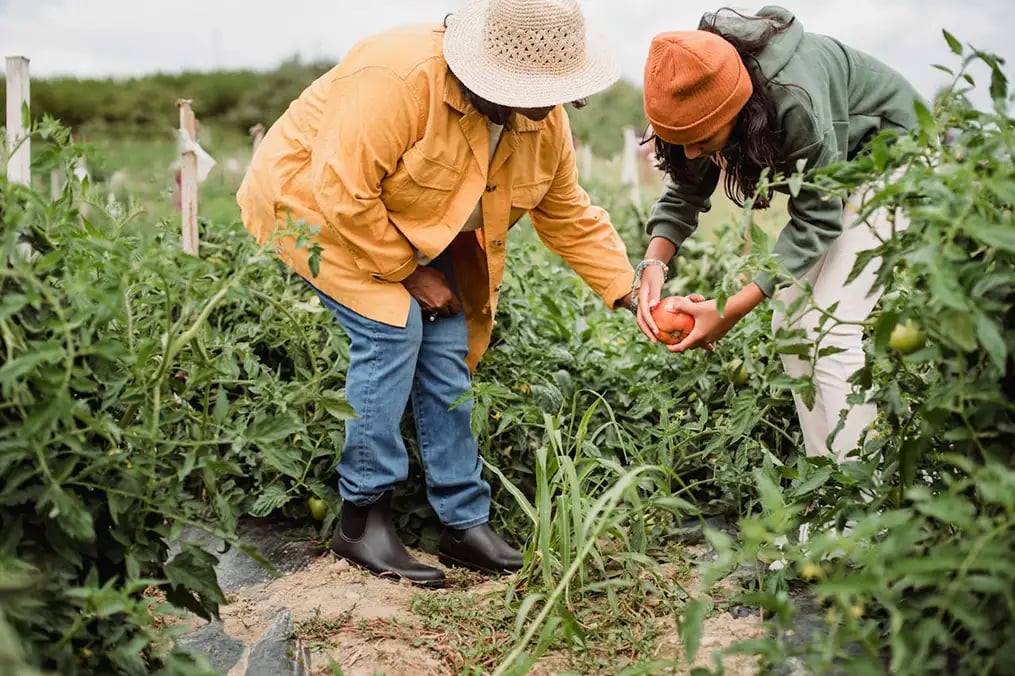
Start by discussing different family garden ideas. Ask children what they would like to grow and encourage suggestions for fruits, vegetables, flowers, or herbs to make everyone feel involved.
Choose Easy Plants for Kids to Grow
For successful kids gardening, begin with easy options like tomatoes, beans, cucumbers, peppers, herbs, and strawberries. These plants grow relatively quickly and keep children interested.
Pick the Right Gardening Space
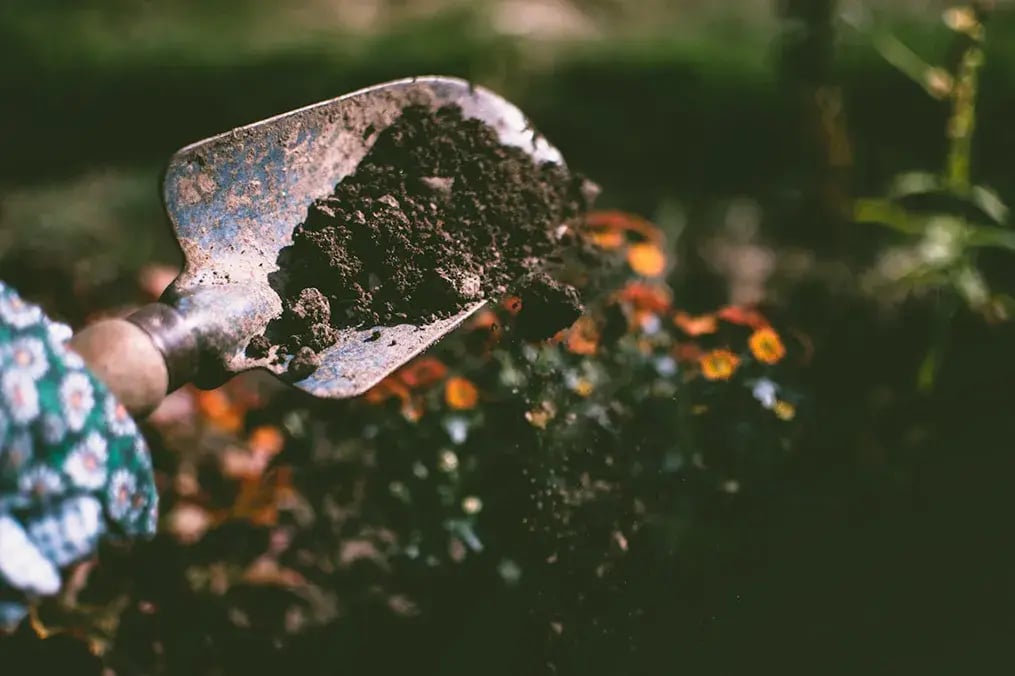
Choose a location that suits your home. Options include backyard beds, balconies, containers, raised planters, kitchen windowsills, or small terrace spaces with adequate sunlight.
Choose Your Gardening Method
Decide whether to start with seed planting, young saplings, containers, raised beds, or pots. Selecting a simple method helps beginners enjoy gardening without feeling overwhelmed.
Plant Seeds or Saplings Together
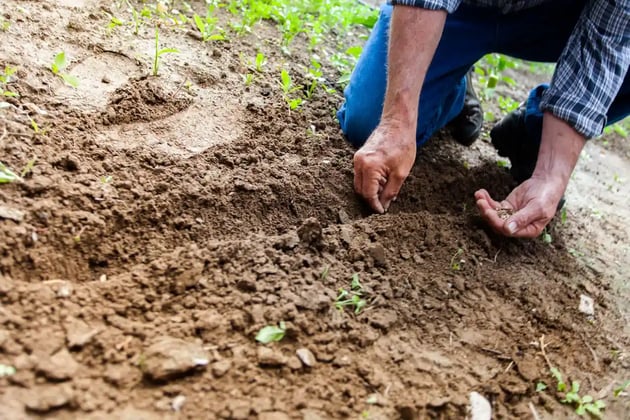
Make seed planting a family event. Allow children to dig small holes, place seeds carefully, cover them with soil, and water gently. These plant activities for kids encourage participation.
Assign Gardening Responsibilities
Give every family member a role. Children can water plants, pull weeds, monitor growth, or help harvest vegetables.
Create a Simple Garden Calendar
Track watering schedules, growth milestones, harvest dates, and weekly garden check-ins. A calendar helps children stay engaged and understand plant development.
Fun Gardening Activities for Kids
Seed Planting Activity
Seed planting introduces children to the plant life cycle. Watching seeds sprout creates excitement and helps them understand growth from the beginning.
Watering Plants
Watering encourages responsibility and teaches children how plants depend on proper care for healthy development.
Measuring Plant Growth
Use a ruler to measure stems weekly. This simple activity combines observation skills with basic math learning.
Making Plant Name Tags
Creating colorful labels is one of the easiest plant activities for kids. It helps identify plants while encouraging creativity.
Nature Observation Journal
Children can draw plants, record changes, and write observations. Such nature activities improve attention to detail and curiosity.
Harvesting Vegetables Together
Collecting homegrown produce is rewarding. Harvest days teach children where food comes from and make gardening feel worthwhile.
Family Garden Ideas for Small Homes and Urban Spaces
Balcony Vegetable Garden
A sunny balcony can support tomatoes, chilies, herbs, and leafy greens using simple containers and planters.
Herb Garden in Recycled Bottles
Reuse plastic bottles to grow mint, coriander, basil, or parsley. This idea combines sustainability with gardening.
Terrace Container Garden
Terraces provide space for larger pots filled with vegetables, flowers, or fruit-bearing plants.
Microgreens on the Windowsill
Microgreens grow quickly indoors and require very little space, making them ideal for beginners.
Vertical Garden with Hanging Pots
Vertical setups maximize limited areas and add greenery without taking up valuable floor space.
Tips to Make Family Gardening Fun and Easy
Keep the Garden Small at First
Start with a few plants so children can manage tasks comfortably and enjoy early success.
Give Children Their Own Plant or Pot
Personal ownership increases excitement and motivates children to care for their plants.
Avoid Making It Feel Like a Chore
Keep gardening playful and enjoyable by turning tasks into simple games or challenges.
Celebrate the First Sprout
Recognizing small milestones keeps motivation high and encourages continued participation.
Cook Something Using the Harvest
Preparing meals with homegrown produce helps children appreciate their gardening efforts.
Common Mistakes to Avoid When Gardening with Children
Starting Too Big
Large projects can become difficult to maintain and may reduce enthusiasm for gardening.
Choosing Difficult Plants
Complicated crops can discourage beginners if results take too long or require advanced care.
Overwatering
Too much water can damage roots and affect healthy growth. Teach children proper watering habits.
Expecting Perfect Results
Gardening involves learning through mistakes. Focus on enjoyment and progress rather than perfection.
Not Assigning Clear Roles
Without responsibilities, children may lose interest. Simple tasks help maintain involvement.
Frequently Asked Questions
What are the easiest plants for kids to grow?

Tomatoes, beans, radishes, herbs, strawberries, and cucumbers are beginner-friendly options that grow relatively quickly.
Can we start a family garden without a backyard?
Yes. Balconies, terraces, windowsills, and containers are excellent alternatives for family gardening in smaller homes.
What gardening activities are best for toddlers?
Toddler gardening can include watering, digging soil, placing seeds, and simple garden activities for toddlers, such as observing insects and flowers.
How does gardening help children learn?
Gardening promotes hands-on learning, observation skills, responsibility, problem-solving, and understanding of nature and food production.
How often should kids water garden plants?
Most plants need watering when the soil feels dry. Requirements vary depending on weather, plant type, and growing conditions.
Deepali is a senior food and wellness writer with over a decade of experience in top media houses, crafting engaging narratives. She is a professional home baker and loves exploring food from every corner of the world to reading cookbooks. She believes a healthy lifestyle is a combination of both mental and physical fitness. Her goal always remains to keep moving, eating seasonal and practicing gratitude.
The views expressed are that of the expert alone.
Popular Topics