




 Parenting Guide


 Child Health & Growth


 Learning & Skills Development


 Food & Nutrition


 Bournvita





Introduction
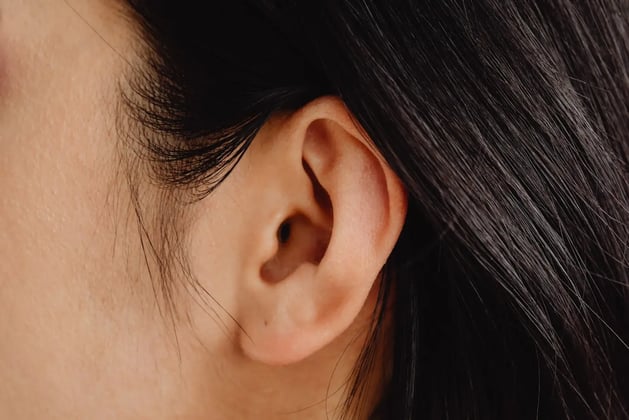
Due to fast pace in life, especially in households where the routines of different family members are mixed with cultural customs, some personal hygiene aspects may not be given due care. One such crucial yet overlooked task is ear cleaning. Keeping the ears clean is one important yet disregarded education given to children for the betterment of health and hygiene overall. Think of the discomfort and probable hearing problems that might develop because of poor ear hygiene. Much like teaching children the importance of brushing their teeth and washing their hands, teaching them to clean their ears is equally essential.
Why Ear Care Matters for Them

Good ear care helps prevent infections, protect hearing, and keep ears comfortable in daily life. Developing ear cleaning habits early builds lifelong confidence in hygiene and health awareness. The first step in caring for your hearing is to realize that ears need gentle attention, not vigorous cleaning. Properly cleaning children’s ears helps prevent painful infections and hearing problems. Caring for ears reassures them that ears are healthy, resilient, and self-protective. Calm, gentle ear-cleaning routines prevent fear and discomfort during care. Promote healthy ear habits for hearing care to support their comfort and confidence every day.
How the Ear Works and Cleans Itself
The first step in ear care is to understand that ears are designed to be self-cleaning. The outer, middle, and inner ear each have important and distinct protective roles. Earwax is vital to hearing care—it naturally and effectively traps dust, debris, and bacteria. You only need to clean the visible outer ear. Deep cleaning kids' ears is unnecessary and often counterproductive to the healthy function of natural earwax. Caring for ears means trusting the ear’s own self-cleaning mechanism for protection. Cleaning beyond the outer ear is a major disruption of the ear’s natural defense system.
How To Do Ear Cleaning Safely
How Often
Kid’s ears need to be cleaned about once a week or when you can see the buildup. Infrequent, gentle cleaning ensures that the protective wax is not stripped away. Over-cleaning removes the protective antibacterial wax from the ear canal, compromising hearing. Cleaning kids' ears more than necessary dries and irritates the delicate ear canal.
Wipe the Outer Ear Only
The correct way to clean kids' ears is to gently wipe the visible outer ear with a warm, damp washcloth. Do not put anything into or near the opening of the ear canal to clean the ear. Outer wiping is good for the ears because it removes any visible buildup without disturbing the protective inner wax. Ear cleaning remains completely outside the canal at all times, protecting hearing care.
Make It Part of Bath Time
Ear care is most consistently maintained when it is folded into the existing bathing routine. Ear cleaning becomes automatic and done as a part of bath time, not another forgettable task. Bathing kids' ears while cleaning them utilizes the natural warmth and moisture already there. When ear cleaning becomes a normal, calm part of the bath routine, it leads to better hearing care.
What Not to Do When Cleaning Their Ears
No Cotton Swabs or Objects in the Canal
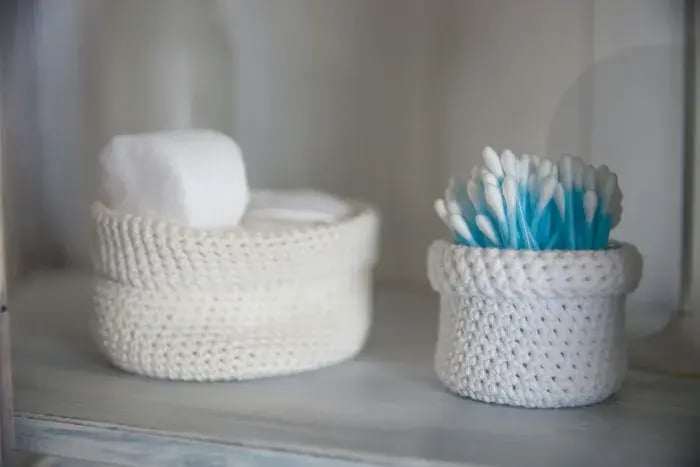
Pushing wax deeper into the ear canal with cotton swabs is a dangerous way to clean your ears. Never put anything in the ears. When swabs touch or damage the sensitive eardrum, hearing care is seriously compromised. Putting anything into a child’s ear to clean it can drive the wax deeper and cause instant pain.
Don't Over-Clean
Over-cleaning the ears unnecessarily removes the protective, antibacterial earwax. Caring for ears involves trusting that some earwax is healthy, protective, and perfectly normal. Hearing care needs some earwax for protection. Cleaning children’s ears too aggressively will dry out and irritate the sensitive lining of the ear canal.
No DIY Wax Removal
Cleaning ears with ear candles or home unblocking methods is really unsafe for them. Don’t try to remove wax buildup using home remedies or unproven methods. Take care of your ears. Ear candles and DIY techniques at home can seriously damage your hearing. For cleaning kids' ears at home, use only outer wiping with a warm, damp washcloth.
When to See a Doctor
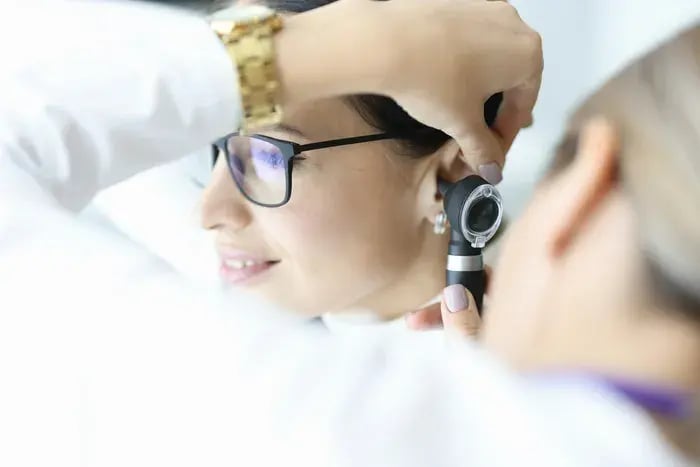
Some signs require immediate medical attention. Stop ear cleaning immediately if your kids have ear pain, discharge, or difficulty hearing. Hearing care should include timely pediatrician or ENT referral when warning signs are present. If you see a build-up of hard wax, never try to clean your children’s ears at home.
Conclusion — Healthy Ears, the Safe Way
Safe ear cleaning is about sticking to the outer ear and leaving the canal alone. Caring for ears involves teaching them not to poke or insert anything into their ears. The best protection for hearing care is to allow the ear to clean itself naturally and completely. Children’s ears should be cleaned properly by gently wiping the outer ear and avoiding cotton buds or DIY earwax removal.
Frequently Asked Questions
How often should their ears be cleaned?

For them, cleaning the ears is recommended about once a week or only when visible buildup occurs. Overcleaning the ears can remove protective wax, which is best left alone.
Are cotton swabs safe for hearing care?
Ear cleaning with cotton swabs is not safe because it pushes earwax deeper and can damage the eardrum. Ear care means no swabs or inserted objects of any kind.
How do parents safely clean their ears?
Cleaning kids’ ears safely is done with a warm, damp washcloth gently wiped over the visible outer ear. Ear cleaning must stay entirely away from the canal.
Smriti is a content writer who creates clear, practical, and informative content backed by science and relevant data. With a strong understanding of structured writing, she breaks down complex topics into simple, actionable insights. Her work is focused on helping readers prepare, learn, and grow with confidence and clarity.
The views expressed are that of the expert alone.
Popular Topics