




 Parenting Guide


 Child Health & Growth


 Learning & Skills Development


 Food & Nutrition


 Bournvita





Introduction
Personal hygiene sometimes gets totally neglected in the busy routine of most Indian families, more so with school, extracurricular activities, and social doings. However, more than just keeping these children from various diseases or keeping them clean, it has a lot to do with building their self-esteem and confidence. Imagine the sense of pride that a child feels when he ties his shoelaces alone or does so independently when brushing teeth. All these small, daily victories really add to their self-esteem.
What is Self-Esteem?
It is one's perception of self-worth and value. It affects every single area of a child's life, from his social skills to his performance in school and his emotional strength. Children who possess high self-esteem stand up for challenges, dare to take risks, and are swift in recovering from failures. They have a positive approach towards life and are equipped to tackle stress and pressure more effectively. On the other hand, low self-esteem may further lead to feelings of inadequacy, anxiety, and withdrawal from social situations. That is why developing self-esteem is important for a child from a young age. Parents play an important role in this regard, and one of the simplest yet most effective ways to nurture self-esteem is to encourage good personal hygiene.
Connection Between Hygiene and Self-Esteem in Kids: How It Helps
Personal hygiene is not just a routine; it's a doorway to a child's empowerment. When children learn how to take care of themselves, they experience the satisfaction of accomplishment and control over their lives. This becomes especially important when, in their formative years, they are developing their self-identity and learning to deal with the world on their own.
Building Independence and Responsibility
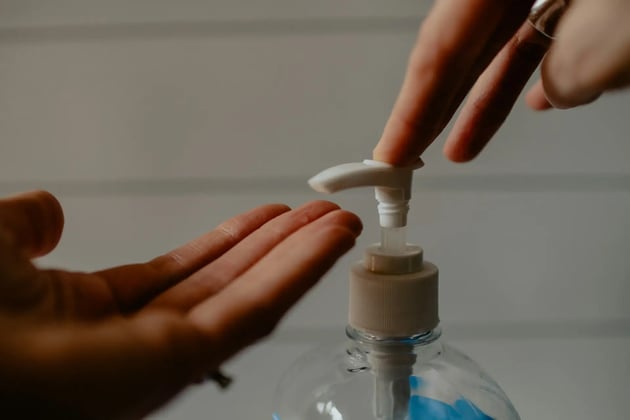
Helping children learn to care for themselves—brushing teeth, washing hands, and bathing—institutes a sense of responsibility. These simple activities demand persistence and, when mastered, leave children feeling more effective and in control. This sense of autonomy is important in the building of self-esteem, as it offers a reassurance of ability.
Developing Self-Regulation Skills

Personal hygiene routines in children also contribute to developing their self-regulation skills. According to a study published by the Journal of Pediatrics, at a very tender age, children who follow their daily hygiene routines usually develop better self-regulation skills. These skills relate to how children manage their feelings and impulses influencing their self-esteem. For instance, learning to maintain a bedtime routine of brushing teeth and washing up can allow the child to learn discipline and self-care.
Promotion of Social Acceptability and Peer Relations
The child who has good hygiene fits in with his peers. If a child's hygiene is not up to par, he/she can be on the receiving end of much teasing and will have lower self-esteem as a result of social isolation. In contrast, clean and well-groomed children portray higher self-confidence levels in their social skills. They can easily attract friends and join in group activities without showing any signs of shyness.
Fostering Positive Body Image
Personal care and grooming also impact a child's body image. Instructing children to enjoy looking good by keeping their hair clean, dressing neatly, and having good oral hygiene boosts their body image. This positive view of oneself is an essential element of self-esteem. For instance, your preschooler loves daily routines like relaxing baths and trying new hairstyles. These moments of care have made them happy and satisfied their self-esteem.
Opportunities to Involve Parents
Hygiene routines also provide an opportunity for parents and carers to interact with and bond with the children. They can take such chances to teach, urge, and promote the children to be independent. Such activities attract a lot of positive reinforcement and praise from the parents, which greatly enhance a child's self-esteem. The parents derive much satisfaction from sudden independence and confidence in their personal care routines.
Frequently Asked Questions
How does personal hygiene affect a child’s self-esteem?

How they see themselves and their social value is influenced by personal hygiene. Good hygiene and high self-esteem reinforce each other in positive social experiences that occur on a daily basis. Good hygiene practices formed at an early age help to promote ongoing confidence and emotional well-being.
Can poor hygiene affect a child’s confidence?
Yes, socially excluded and anxious children are those who have bad personal hygiene. Poor personal hygiene habits lower your confidence and create awkward social scenarios. When routines are absent or inconsistent, hygiene and self-esteem decline.
Why is teaching hygiene important for kids?
Teaching personal hygiene for kids encourages independence, responsibility, and self-respect. Good hygiene habits, when taught positively, become automatic, empowering life skills. Early hygiene education enhances hygiene and self-esteem.
How can parents encourage good hygiene habits in children?
Parents should use positive reinforcement and model good and regular personal hygiene. Easy hygiene checklists keep personal hygiene for children organized and easy to manage. Seeing the progress in hygiene habits makes the process fun and motivating.
How does hygiene contribute to positive body image in kids?
Personal hygiene helps them feel clean, comfortable, and proud of their bodies. When they feel clean and cared for, their hygiene and self-esteem improve. They develop a good relationship with their own body image through good hygiene habits.
Smriti is a content writer who creates clear, practical, and informative content backed by science and relevant data. With a strong understanding of structured writing, she breaks down complex topics into simple, actionable insights. Her work is focused on helping readers prepare, learn, and grow with confidence and clarity.
The views expressed are that of the expert alone.
Popular Topics