



 Parenting Guide


 Child Health & Growth


 Learning & Skills Development


 Food & Nutrition


 Bournvita





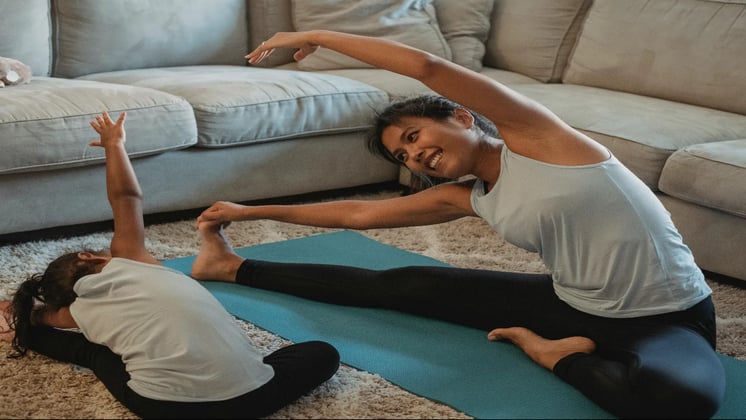
Introduction
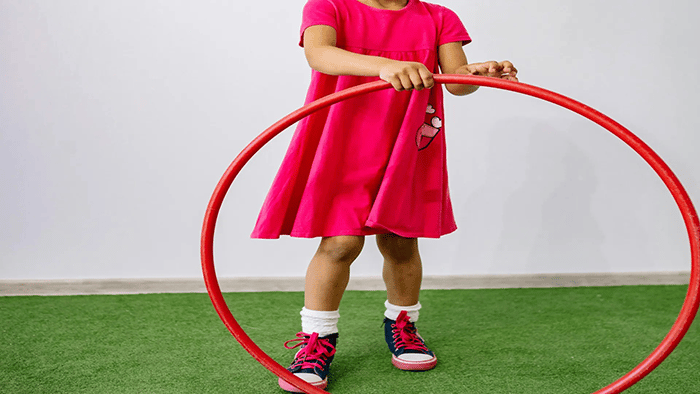
A child’s growing body needs regular movement to build strength, coordination and confidence. More than fitness, exercise develops children’s physical skills which make everyday movement easier. Running, jumping, stretching, climbing and balancing can help improve flexibility, stamina and coordination and keep kids going.
Keeping active in childhood also helps build strong bones and muscles. Different movements encourage children to use their bodies in different ways. This helps them to build endurance and resilience over time. These skills can help make daily activities like walking, climbing stairs or playing sports seem less challenging.
Physical, Mental, And Social Benefits
Physical Research often indicates that weight-bearing activities like jumping, running, and climbing are great for bone density and strong muscles. Aerobic exercise, on the other hand, improves cardiovascular fitness.
Mental Regular exercise is known to trigger the secretion of endorphins, which lower anxiety, reduce depression, and elevate mood. It also increases blood flow to the brain, which results in better focus, concentration, memory, and learning.
Social Activities like team sports always teach children how to lead, help each other, cooperate, share goals, and respect peers. It also aids in building friendship skills.
The Benefits Of Regular Exercise For Children’s Development
Here are a few benefits of regular exercise for child development that parents should know about:
- Regular exercise builds stronger muscles and enhances bone development.
- Regular exercise also helps children with endurance and agility as they grow up.
- Regular exercise contributes to better sleep, digestion, and mental well-being.
- Regular exercise helps with enhanced flexibility and strength.
- Regular exercise promotes an active lifestyle in children, helping them be more efficient and productive throughout the day.
What Counts As Regular Exercise For Children?
Any physical activity repeated through physical strength and movement can be called regular exercise. Regular exercise can be done in terms of various hobbies and sports. According to the Centers for Disease Control (CDC), children aged 6–17 years ideally do 60 minutes or more of moderate-to-vigorous physical activity, which counts as regular exercise. Research says that the benefits of physical activity in childhood is maximum when the routine contains varied, age-appropriate aerobic, muscle-strengthening, and bone-strengthening activities to promote growth and strength.
Types Of Activity Children Need
Children aged 3-5 years should stay physically active through playing, jumping, or riding a cycle. Those who belong to the age bracket of 6 to 17 should take part in 60 minutes of moderate-to-vigorous physical activity each day. The most effective workout options include aerobic activities (walking, running), muscle-strengthening activities (climbing, push-ups), and bone-strengthening activities (jumping or running).
How To Build An Enjoyable Weekly Routine
To build an enjoyable weekly exercise routine for children, focus on fun, playful activities that add up to at least 60 minutes of active movement every day. Instead of keeping the routine rigid and strict, take a mix-it-up approach. Combine aerobic exercises, muscle strengthening, outdoor play, indoor fun, circuit training, and adventure walks. Balance workouts in a fun, playful manner so that children respond to it well.
Types Of Regular Exercise For Children’s Development
Look at these regular exercises you can engage your kids in, according to their preference.
Hobbies
Here are some hobbies that can be done as regular exercise:
Dance
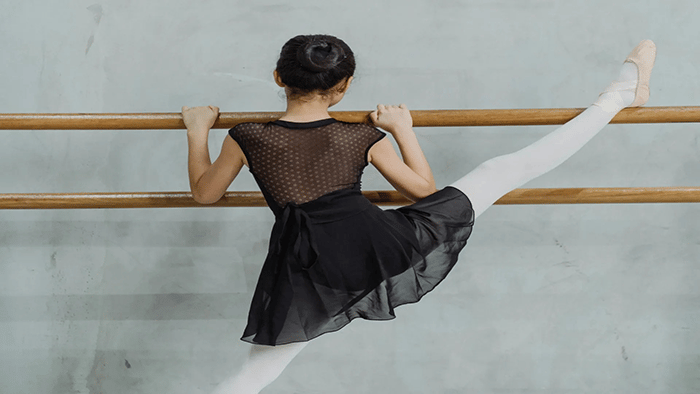
Dance requires constant stamina and endurance during practice and performance to master the art. Dance is a physical activity that showcases various postures and movements that can be achieved with regular practice. These practice sessions constantly cover various physical exercises to dance better. The more fluent and agile a child's movement in dance is, the more regular they are during their practice, showcasing physical regularity and mental balance.
Yoga
Yoga is also counted as a hobby that children can enjoy. Yoga is part of daily exercise, so kids can easily challenge themselves for good physical posture, mental stability, and peace of mind. Yoga includes various postures and breathing control exercises so that the mind and body can relax while doing regular workouts, feeling more refreshed and rejuvenated every day.
Sports
Sports also require constant physical movement and activity, which promotes regular exercise out of fun and habit in children.
Cricket
Cricket also encourages regular exercise to maintain the form of constant endurance and stamina in children. Regularly playing cricket as a sport or a fun activity demands an active lifestyle to endure long hours of playing. Regular exercise is mandatory for continuing to play such a sport with a better physique.
Football
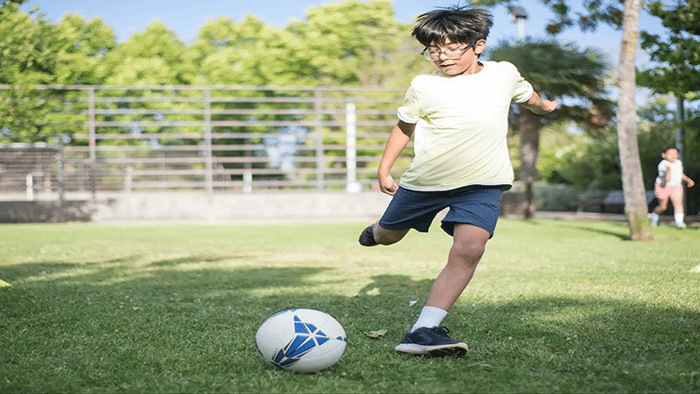
Regular exercise is necessary to warm up to play a sport like football, where the game lasts for more than 2 hours. Without regular exercise, children can face severe muscle cramps or overbearing physical constraints due to an unhealthy lifestyle. Children who regularly exercise to amp up in sports are more active than children who do not.
Badminton
Badminton also supports regular exercise with simple gameplay, which can be played as a sport or as a fun activity. Badminton is a simple game that can fulfill the daily requirement of regular exercise, developing a child's stronger body and physique.
The Disadvantages Of Sedentary Lifestyle In Children
If children ignore regular exercise daily, they can lead a sedentary lifestyle. Parents should know about the disadvantages of a sedentary lifestyle to promote regular exercise effectively.
- A sedentary lifestyle encourages laziness and health problems like indigestion, cramps, and more.
- A sedentary lifestyle also affects children mentally by making them more anxious and prone to overthinking.
- This kind of lifestyle makes children less productive and more prone to procrastination.
Conclusion
Now that parents are aware of the benefits and importance of regular exercise for children's development. It is essential for parents to keep their children active and constantly promote the habit of regular exercise. The habit of exercising regularly not only benefits kids at an early age but also helps them to have better health in adult life.
Frequently Asked Questions
What are the benefits of regular exercise for children?

Regular exercise helps children build strong bodies, sharp minds, better focus, quick learning, and healthy emotional habits.
How much activity do children need?
Children below 5 years should stay physically active throughout the day by playing, jumping, or riding a cycle. Those who belong to the age bracket of 6 to 17 should take part in 60 minutes of physical activity each day.
What types of exercise are best?
The most effective exercise options include aerobic activities (walking, running), muscle-strengthening activities (climbing, push-ups), and bone-strengthening activities (jumping or running).
How can parents encourage regular movement?
Children copy what they see. Parents can encourage regular movement by showing them how enjoyable it can be. Play with them or take them for a walk/run with you.
After covering national and international news for over 4.5 years, Jheelum is currently exploring the world of food writing. With specific interest in climate change and Sustainable Development Goals (SDGs), she prefers promoting environment-friendly culinary ideas that serve the taste buds without harming the nature. Being a foodaholic, she believes food is a way of life and so is taking care of the planet we live in.
The views expressed are that of the expert alone.