




 Parenting Guide


 Child Health & Growth


 Learning & Skills Development


 Food & Nutrition


 Bournvita






Introduction

Laughter is often overlooked as an actual health practice. Laughter shared touches us emotionally and physically. Families that laugh together tend to be closer and more relaxed. The article discusses the many ways that laughter is good for your family’s health. It then provides practical methods to incorporate more laughter into our daily lives. You don’t need any special time or planning for any of these ideas. Little everyday moments of humour can go a long way. It easily fits into the busy schedule of a family. Laughter improves communication and emotional openness at home. These benefits are accumulated gradually, through repeated shared experiences. This article offers a simple practical start for families. Make laughter a priority, and in time it really can make a difference in everyday family life.
The Role of Laughter in Family Health
Reducing stress and anxiety
Laughter promotes the release of endorphins, which are the body's natural feel-good chemicals. Endorphins create a sense of well-being and can temporarily relieve pain. It also minimizes levels of stress hormones, thus helping reduce tension and stress within the family.
Improves Immune System
Positive thinking and humor can result in the induction of neuropeptides that are strong opponents of stress and possibly many more grave diseases. For the well-being of the entire family, especially in a house where people of all age levels, from young kids to older people, are present, a good immune system is required for each member.
Better bonding and communication
Laughter is shared and fosters a sense of bonding. It can also improve communication and make the members of the family understand one another, which helps in solving conflicts and misunderstandings. Laughter, being a feel-good emotion, also gives a sense of camaraderie, shared joy, and a bond of various levels.
Encourages Physical Activity
The things that one does that make them laugh, such as playing games or other playful things, in most cases get/keep the body in motion. This could be good for physical health since it encourages active lifestyles and lowers the chances of suffering problems due to sedentary behavior.
Promotes Mental and Emotional Health
It maintains the health of the mind and the emotions by putting one in a good mood, increasing one's resilience, and cultivating optimism toward life. In children, it helps a child develop humor and, therefore, an emotionally stable personality. For the adult, this is the essence of coping with daily challenges and ensures mental fitness.
How to Bring More Laughter Into Family Life
Create a Fun Family Routine
Schedule in fun and silly, laugh-inducing activities. This could be a movie or game night, spending lots of time outside, or even picnics and nature walks.
Play Together
Engage in fun games and activities with the family that appeal to all people. Lots of laughter and fun can be found with board games, charades, or doing simple catch or hide-and-seek activities. One can enhance the feeling of fun and creativity when children share.
Share Funny Stories and Jokes
Inculcate the practice of narrating funny stories or jokes during breakfast, lunch, and dinner times or any other gathering; this lightens the ambiance and makes it a good one. Let the kids also develop a habit of creating their jokes or stories, as it also boosts self-esteem and expressive capabilities.
Be Silly Together
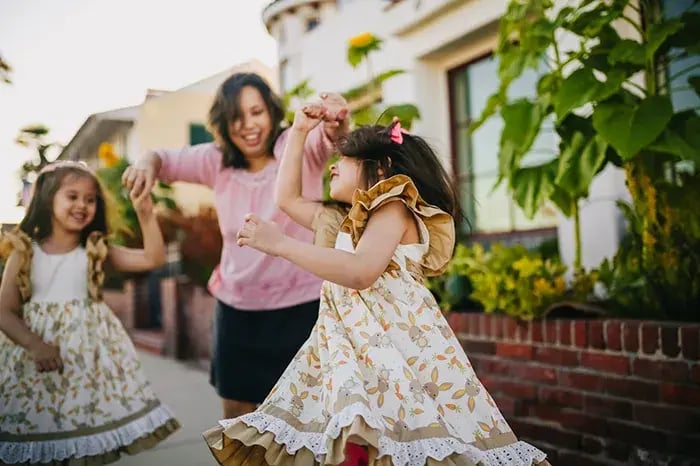
It's fine to let a little of your foolish side out and let a few of those inhibitions go. Get up off the couch and dance around the living room, make a few funny faces at each other, or start a crazy sing-along to some music for no apparent reason. These little moments of silliness can bring joy and lightheartedness into the atmosphere, making it a fun one for everyone.
Watch and Listen to Comedy
Viewing comedy shows or movies as a family or listening to comedic podcasts is another way to bring humor home. Be sure to select age-appropriate material and enjoy some family laughs together.
Celebrate Laughter
Recognize and mark out moments of laughter within the family. This could be as simple as recognizing a particularly funny moment of the day to establishing a family tradition of the funniest person of the week. Celebrate laughter to reinforce the importance, for more of it comes.
Building a Happier Family Through Laughter

Laughter is an easy, accessible tool for improving family life. Little, steady humor builds connection over time. Habits like these are easy to implement, but they offer steady and big payoffs. Laugh together, stay together, and get healthier together as families.
Frequently Asked Questions
How does laughter improve a child's emotional development?

It teaches kids how to express emotion and cope with stress. It also creates a sense of safety and connection at home.
What are simple daily habits to bring more laughter into family life?
Often it helps to share jokes at meals and play games together. And it’s easy family entertainment to watch comedy together.
Smriti is a content writer who creates clear, practical, and informative content backed by science and relevant data. With a strong understanding of structured writing, she breaks down complex topics into simple, actionable insights. Her work is focused on helping readers prepare, learn, and grow with confidence and clarity.
The views expressed are that of the expert alone.
Popular Topics