



 Parenting Guide


 Child Health & Growth


 Learning & Skills Development


 Food & Nutrition


 Bournvita





Introduction
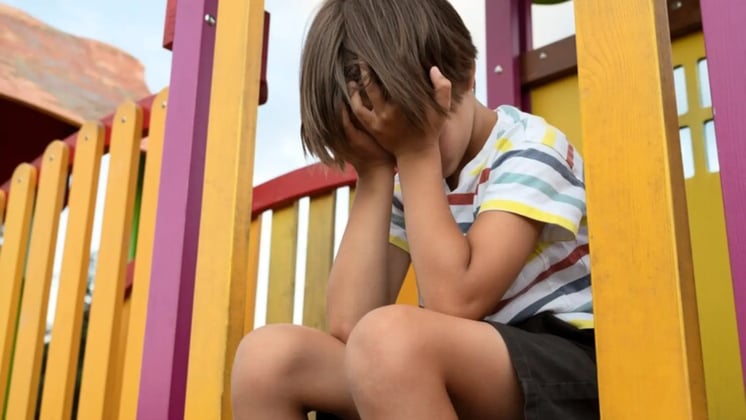
Bullying is a major social problem that affects children in schools and communities across India. It can involve physical, verbal, social, or psychological behaviour and may affect a child's emotional wellbeing. Mindfulness can be one supportive approach, helping children become more aware of their emotions, manage reactions, and develop empathy. However, bullying prevention also requires active involvement from parents, teachers, schools, and children themselves.
What Is Bullying?
Bullying is repeated aggressive behaviour that intentionally hurts, threatens, or excludes another child. It can be physical, verbal, social, or online. Early intervention can help protect children, address harmful behaviour, and create a safer environment at home and school.
Understanding Bullying and Its Impact
Effects on Mental Health
Bullying can affect children's emotional wellbeing, contributing to fear, anxiety, sadness, low self-esteem, loneliness, and feelings of insecurity.
Impact on Academic Performance
Children experiencing bullying may struggle to concentrate, avoid school, participate less in class, or experience changes in their academic performance.
Long-Term Consequences of Bullying
Repeated bullying can affect social relationships, confidence, and emotional wellbeing beyond childhood, particularly when children do not receive appropriate support.
10 Ways to Prevent Bullying
Encourage Open Communication
Create a safe environment where children can talk about their experiences, friendships, worries, and conflicts without fear of judgment.
Teach Empathy and Respect
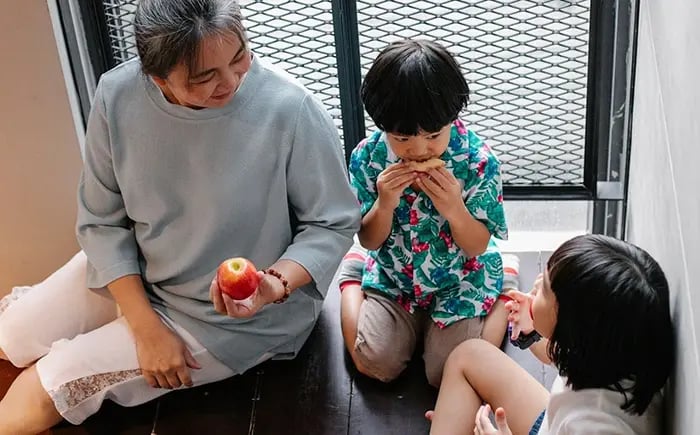
Help children understand how words and actions affect others and encourage respectful communication with classmates and friends.
Build Children's Self-Confidence
Encourage children's interests, strengths, and achievements to help them develop confidence and communicate their needs assertively.
Establish Clear Anti-Bullying Rules
Schools and families should clearly explain unacceptable behaviour and establish consistent consequences for bullying.
Promote Inclusion and Kindness
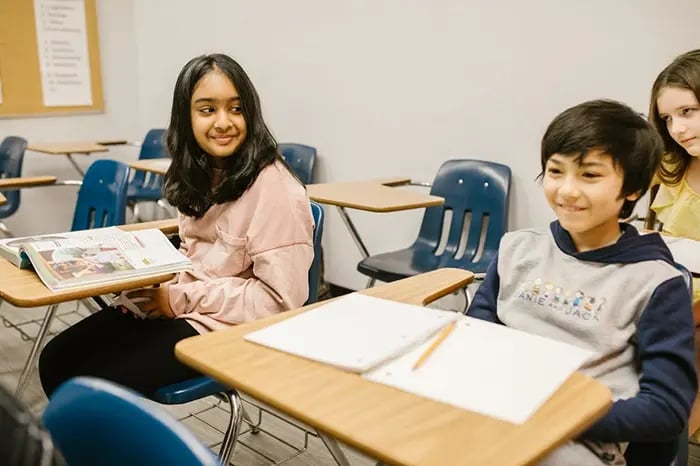
Encourage children to include others in games, group activities, conversations, and classroom tasks.
Teach Conflict Resolution Skills
Show children how to listen, communicate calmly, seek help, and resolve disagreements without aggression.
Monitor Online Activity and Cyberbullying
Talk regularly about online safety and notice changes in online behaviour, friendships, or messages that may indicate cyberbullying.
Encourage Children to Report Bullying

Teach children that reporting bullying is a way to seek help and protect themselves or others, not something to feel ashamed about.
Lead by Positive Example
Adults can model respectful communication, empathy, patience, and appropriate ways of handling disagreements.
Practice Mindfulness and Emotional Awareness
Simple breathing, grounding, and emotional-awareness activities can help children recognise feelings and pause before reacting.
How Mindfulness Can Be Effective in Combating Bullying
Promotes Self-Awareness
Mindfulness helps children notice their thoughts, emotions, and reactions, encouraging them to recognise anger or frustration before responding.
Enhances Emotional Regulation
Breathing and grounding exercises can help children pause, manage strong emotions, and respond more thoughtfully to stressful situations.
Encourages Empathy and Compassion
Mindfulness can encourage children to notice others' feelings and respond with greater understanding, kindness, and consideration.
Reduces Stress and Anxiety
Mindfulness may help children manage everyday stress, making it easier to approach challenging situations calmly.
Improves Social Skills
Mindful listening and thoughtful responses can support communication and help children handle disagreements without immediately becoming aggressive.
Provides a Positive School Environment
School-based mindfulness activities can complement broader efforts to encourage calm, respectful, and supportive interactions among students.
Empowers Bystanders (Observer Support)
Mindfulness can help children notice what is happening around them and encourage safe actions such as seeking adult help or supporting a peer.
Signs That a Child May Be Experiencing Bullying
- Suddenly avoiding school, classes, or particular activities.
- Becoming unusually withdrawn, anxious, upset, or irritable.
- Losing interest in friends or activities they previously enjoyed.
- Frequently reporting unexplained physical complaints.
- Showing changes in sleep, appetite, confidence, or academic participation.
- Returning home with damaged or missing belongings without a clear explanation.
What Parents Should Do If Their Child Is Being Bullied
- Allow your child to explain what happened without immediately blaming or questioning them.
- Clearly tell them that bullying is not their fault and that they deserve support.
- Keep records of repeated incidents, messages, dates, locations, and people involved.
- Speak with the teacher, counsellor, or school administration and discuss appropriate steps.
- Consider a qualified mental-health professional if bullying is affecting your child's emotional wellbeing or daily functioning.
Frequently Asked Questions
What is the most effective way to prevent bullying?

Consistent anti-bullying policies, open communication, adult supervision, empathy education, and early intervention work together to prevent bullying.
How can parents help stop bullying?
Parents can listen without judgment, document incidents, communicate with the school, and help children develop safe coping and reporting strategies.
What role do teachers play in bullying prevention?
Teachers can establish clear expectations, supervise interactions, respond promptly to incidents, and create an inclusive classroom environment.
Can mindfulness help reduce bullying?
Mindfulness may support emotional awareness, self-regulation, empathy, and calmer responses, but it should complement wider bullying-prevention measures.
Warning Signs of Bullying
Avoiding school, withdrawal, anxiety, unexplained injuries, damaged belongings, friendship changes, and sudden changes in behaviour may indicate bullying.
Key Takeaways
- Teach children empathy, respect, communication, and conflict-resolution skills.
- Encourage children to speak openly and report bullying.
- Parents and teachers should respond promptly to concerns.
- Mindfulness can support emotional awareness and self-regulation.
- Creating an inclusive and respectful environment helps promote child safety.
Her love for storytelling began with reading her grandfather’s speeches, where Tarishi saw the power of words in creating lasting memories. Combining her passions for food and writing, she has turned her life into a fulfilling path of sharing stories that celebrate flavours and how food brings communities together.
The views expressed are that of the expert alone.