




 Parenting Guide


 Child Health & Growth


 Learning & Skills Development


 Food & Nutrition


 Bournvita





Introduction
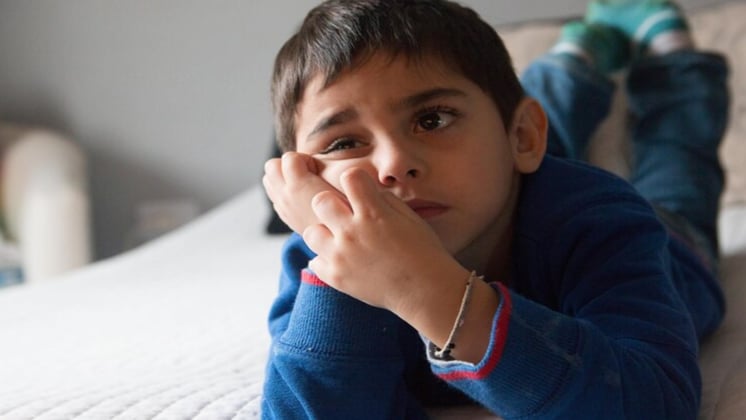
Anxiety is a real issue among kids nowadays. Gone are the days of peaceful leisure, happy, playing kids; and the tinkle of their innocent laughter. In the 21st century, children suffer from a wide range of complex feelings, events, trauma, and anxieties that did not exist in earlier times. For example, failing a class has never been such a grave crime as today, nor is being suspended. Earlier, children either absorbed knowledge properly or repeated a year; it was no big thing. If kids fought or broke the rules, they were punished and suspended.
But now, even the smallest errors on their part can have big repercussions. And thus, children today get thrust into the real world way too soon; it is nobody’s fault, really. But since sheltering them from such social, environmental, and situational triggers is not possible, parents can try supporting a daily routine and helping combat childhood anxiety with a different perspective.
What Is Childhood Anxiety?
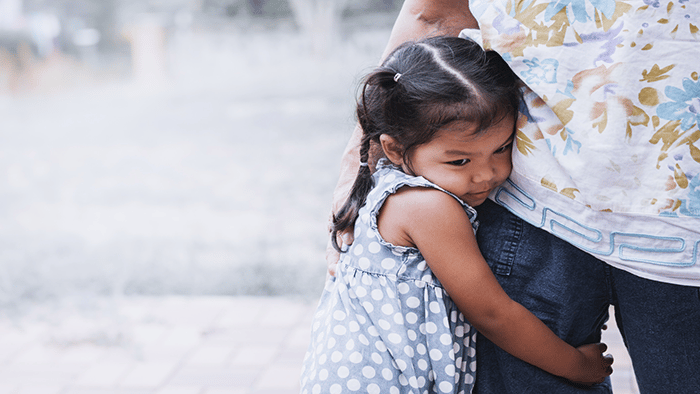
Anxiety in children is the body's threat-response system activating in situations that do not present genuine physical danger but feel overwhelming to the nervous system. Children experience anxiety as worry, fear, and uncertainty about outcomes they cannot control or predict. They lack the cognitive frameworks adults use to contextualize those feelings without being consumed by them. Common triggers include school performance pressure, social dynamics, family conflict, parental stress, unexpected changes to routine, and transitions between environments or caregivers. The general unpredictability of a childhood where most decisions are made by adults whose reasoning is not shared with the child experiencing their consequences.
Common Signs of Anxiety in Children
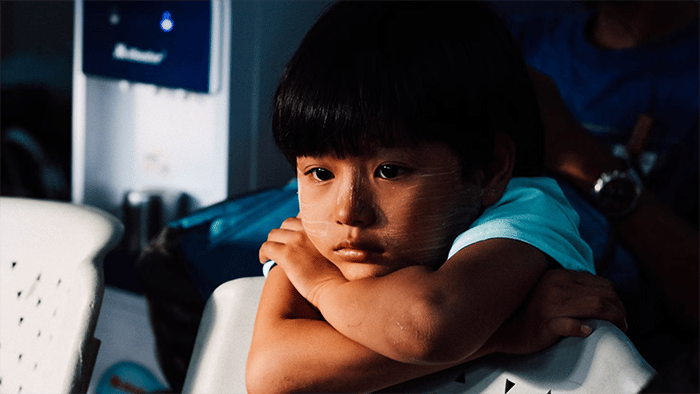
Physical Signs
Racing heart
When a child’s heart is racing before school, in transitions, or at bedtime, this is the physiological stress response that anxiety automatically triggers. This physical symptom is indeed uncomfortable and often frightens children who do not understand why their hearts are beating unusually fast without any physical exertion.
Sweating
Anxiety triggers the sympathetic nervous system, which can lead to sweating without a physical cause. Sweating before exams, presentations, or social situations is a physiological anxiety response in children that can be measured.
Stomach ache
One of the most reliable physical signs of childhood anxiety is stomach upset due to the gut-brain connection. Children who frequently complain of stomach pain before school, social events, or performance situations without a clear physical cause require anxiety assessment.
Nausea
Anxiety-induced stress hormones prepare the body to respond to threats, one direct physiological effect being that blood is diverted away from digestion. It leads to nausea in the case of stressfully anticipated events. Children who often get nausea before events are not faking to get out of obligations.
Sleep issues
Children with anxiety most often manifest physically with difficulty going to sleep, frequent waking at night, and resistance to bedtime. Anxiety keeps the body in a state of hyperarousal regardless of how well one sticks to a bedtime routine.
Emotional and Behavioral Signs
Poor attention
Anxiety occupies a great deal of cognitive bandwidth, decreasing the available amount of working memory capacity, sustained attention, and cognitive flexibility for academic work. Children who seem to be unable to focus despite their intelligence are often dealing with anxiety that drains the neural resources needed for concentration.
Racing thoughts
Children describe racing thoughts as their mind not stopping, not being able to quiet the thoughts before sleep, or having too many worries all at once. This cognitive symptom of anxiety is often invisible to adults who focus on behavioral compliance alone.
Appetite changes
The reduction of appetite and emotional eating during stressful periods are the two most pronounced signs of the physiological effect of anxiety. Parents who see a child refusing meals frequently before a high-pressure day should consider anxiety rather than food preference as the reason.
Fear of change
A predictable daily routine directly addresses the need for predictability that can be a source of anxiety for many children. Such as extreme distress over daily transitions, changes in routine, unexpected schedule changes, or new environments beyond what the child’s age would suggest.
Why Daily Routine Helps Support Child Mental Health
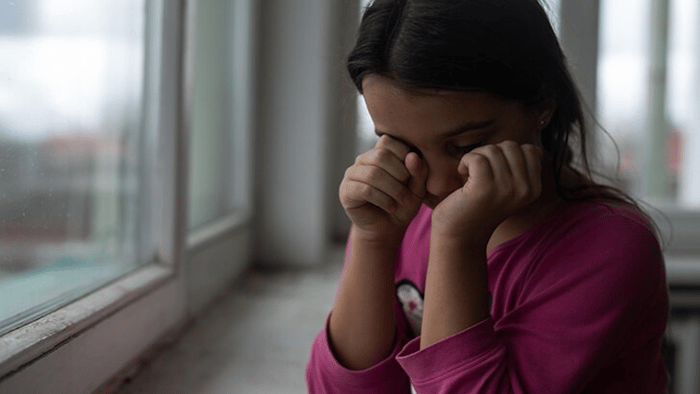
Creates predictability
In predictable situations, the amygdala, the brain’s threat-detection center, becomes less active. This means that the regulatory functions of the prefrontal cortex can operate without having to compete against anxiety-driven arousal.
Reduces decision fatigue
Children who know their schedule don't need to expend cognitive energy dealing with the uncertainty of what comes next. That energy is available for the developmental work that childhood is really for, not spent in figuring out an unpredictable day.
Builds emotional security
The internal working model of the world as safe, manageable, and trustworthy depends on the repeated experience of days unfolding as expected for secure emotional development. Consistent daily routines are among the most evidence-supported parental practices for supporting children's mental health in the preschool and primary school years.
Improves confidence
A child who knows what to do, can do it, and finds each day manageable builds the self-efficacy that anxiety undermines. Mastery of their daily structure translates into confidence in handling other challenges in the child’s wider life.
The Role of Routine in Reducing Childhood Anxiety
Gives Children a Sense of Control
Anxiety helps to produce a state of perceived powerlessness and children live in a situation where almost all important decisions are made by adults. The predictable daily routine provides a meaningful measure of control that reduces anxiety.
Lowers Fear of the Unknown
Much childhood anxiety is driven, across age groups, by fear of unknown outcomes, unfamiliar situations, and unexpected transitions. When a child’s daily routine follows the expected pattern day after day. The child’s nervous system slowly recalibrates to the predictability of their environment. It decreases the baseline anxiety arousal that is otherwise sustained by constant novelty and unpredictability.
Teaches Time Management
A regular study schedule and a daily schedule teach children how to allocate time to competing demands before they create the overwhelm. Time management is a learned cognitive skill, not an innate ability. The daily routine is the scaffold through which children gradually develop time management skills over the school years.
Reduces Daily Decision-Making Pressure
Every decision a child must make independently in the course of a day draws from a finite pool of cognitive and volitional resources that gets depleted over the hours. A reliable child daily routine reduces the number of decisions required by replacing them with set patterns.
Builds Familiarity and Comfort
Familiarity makes repeated daily experiences really comfortable even when they were first resisted. Familiarity is a powerful anxiety reducer because it is accumulated evidence that a particular experience is safe, manageable, and survivable, regardless of how it felt the first time around.
Sample Daily Schedule for Kids
| Routine Category | Activity | Purpose |
| Morning Routine for Kids | Wake-up time | Waking up at a consistent time helps regulate sleep cycles and improves energy levels throughout the day. |
| Hygiene | Brushing teeth, bathing, and basic grooming habits support hygiene awareness and healthy daily routines. | |
| Breakfast | A balanced breakfast provides energy and improves concentration before school activities begin. | |
| School preparation | Organizing school materials and getting ready on time encourages responsibility and time management skills. | |
| After-School Routine for Kids | Snack | Healthy snacks help restore energy levels after school and support physical and mental recovery. |
| Rest | Short relaxation periods help children decompress after academic and social activities during the school day. | |
| Homework | Completing homework within a fixed schedule improves discipline, focus, and study consistency. | |
| Playtime | Physical activity and recreational play support emotional regulation, creativity, and healthy development. | |
| Study Routine for Kids | Fixed study block | Scheduled study sessions improve concentration, productivity, and long-term learning habits. |
| Breaks | Short breaks between study sessions help reduce mental fatigue and maintain attention span. | |
| Revision time | Daily revision strengthens memory retention and improves understanding of previously learned concepts. | |
| Bedtime Routine for Kids | Screen-free time | Reducing screen exposure before bed supports melatonin production and improves sleep quality. |
| Reading | Light reading before sleep promotes relaxation, vocabulary development, and calmer bedtime transitions. | |
| Relaxation | Quiet activities such as deep breathing or calm conversation help prepare the body for restful sleep. | |
| Sleep | Consistent sleep schedules support brain development, emotional regulation, and physical growth in children. |
Routine Chart for Kids: How to Create One
Use visuals and colors
The chart really helps children who can't read reliably yet or who are more efficient at processing visual information than text-based instructions. Color-coded task blocks, illustrated activity cards, and photographs of the child doing each routine step all help.
Keep tasks age-appropriate
A chart that assigns a child tasks beyond his developmental capacity produces the performance anxiety it was designed to reduce. The tasks should be things the child can actually do themselves, not those that require adult assistance, which defeats the purpose of the chart: to promote independence.
Let children participate
Children who are involved in creating their own routine chart feel that the schedule is their own creation rather than something imposed on them from the outside. This participation investment produces the ownership that sustains compliance without ongoing parental enforcement in the weeks following implementation.
Track progress gently
The positive reinforcement of a simple completion checkbox, or a sticker system, or visual progress indicators allows for the habit to be intrinsically motivating. This is what keeps the habit going during the transition period, where the novelty has worn off.
Visual Schedule for Toddlers and Preschoolers
Picture-based routines
Each step of the routine is shown in order on a strip of wall-mounted pictures or simple drawings. The use of visual rather than verbal instruction helps toddlers to be independent by providing a self-consultable reference. At each transition the child can look and see what the next step is and move on without adult direction.
Simple task cards
Toddlers are more motivated by the tactile satisfaction of moving individual laminated task cards. You can try the visual feedback of completion rather than by verbal praise alone after a task is accomplished.
Morning and bedtime visuals
Visual schedules for morning and bedtime separately target the two daily transitions that produce the greatest anxiety and resistance in preschool children. Predictable sequencing reduces the transition resistance these windows typically produce.
Tips to Build a Healthy Routine for Kids
Divide the day into study, rest, play, and meals
In this way, structuring the day explicitly to include all four categories ensures that the child's full developmental needs are met each day. Rather than one category being consistently crowded out by the others in response to academic pressure or parental scheduling priorities.
Add mindful breathing time
Adding one to two minutes of simple diaphragmatic breathing to the transition between school and homework. It gives the nervous system the reset that anxious children need, specifically between demanding sequential activities.
Use positive reinforcement
Instead of a generic acknowledgement, specifically recognizing routine adherence builds the intrinsic motivation that sustains compliance. Specific praise for what the child did right shows the child that you really saw, and children respond better to that kind of noticing than to generic approval.
Keep routines flexible but consistent
Total rigidity breeds its own anxiety when disruption cannot be escaped. It is good to have occasional acknowledged exceptions built into the routine framework so that children learn from temporary deviation.
Common Routine Mistakes Parents Should Avoid
Overloading the schedule
A routine with more activities than a child can reasonably do creates performance anxiety and exhaustion, which defeats the purpose of routine as an anxiety reducer. White space in the daily schedule of a child is not wasted time but necessary developmental recuperation.
Being too rigid
Treating every routine deviation as a crisis teaches the child that the world is fragile and unforgiving, reinforcing this belief. The anxiety that rigidity-sensitive children develop around imperfection and unexpected change in their environment.
Ignoring rest time
Rest is not a reward for work done but a biological need for the nervous system to process the day’s experiences and consolidate learning, which continuous activity depletes. Routines that sacrifice rest for productivity inevitably yield the tired, dysregulated kids that more rest would have prevented.
Changing routine too often
The habitual nature of routines is what makes them anxiety-reducing in the first place. But the frequent, routine changes before any version has been practiced enough to be truly habitual prevent the accumulation of familiarity. Give the routine four to six weeks of consistent implementation before deciding if changes need to be made. This allows the routine enough time to have the desired effects.
Conclusion
A daily routine provides the predictable, manageable environment that anxious children need to build the regulatory capacity their still-developing nervous systems require. Implementation consistency matters more than perfection, and a routine imperfectly followed most days does more for children's mental health than a perfect routine followed only occasionally. Small structural investments in predictability at a day-to-day level pay developmental dividends that reach far beyond the childhood years in which they are laid down.
Frequently Asked Questions
How does routine reduce anxiety in children?

A daily routine reduces anxiety by substituting unpredictability. It activates the threat-response system in the child with predictable environmental cues that the nervous system learns to categorize as safe.
What should a kid's daily routine include?
Kids’ full daily routine includes morning hygiene, breakfast, school prep, a snack and rest after school, homework, outdoor play, family dinner, a study revision period, a screen-free wind-down, and a consistent bedtime. It is more important that the sequence is consistent across the week than the timing within each category.
How do I make a morning routine for school kids?
For school kids, a realistic morning routine includes getting up at the same time every day. Children who respond quickly to stress under time pressure are activated in the morning. Therefore, preparing as much as possible the evening before reduces time pressure and helps to prevent children from becoming anxious.
What is a good bedtime routine for children?
The ideal bedtime routine begins 60 minutes before the target sleep time. It follows a consistent sequence of screen removal, light reading, simple relaxation breathing, teeth brushing, and lights out.
How can I create a routine chart for kids?
To make a routine chart for kids, start by writing down each daily task in order. Then convert each task into a visual representation, such as a drawing or photograph. Following this, place these in a laminated strip at the child's eye level and create a completion marking system that the child can operate independently.
Kaushiki Gangully is a content writing specialist with a passion for children's nutrition, education, and well-being. With more than five years of writing experience and a science-based background, she provides nuanced insights to help families raise happy, healthy kids. Kaushiki believes in making learning and healthy eating fun, empowering parents with practical, easy advice.
The views expressed are that of the expert alone.
Popular Topics