




 Parenting Guide


 Child Health & Growth


 Learning & Skills Development


 Food & Nutrition


 Bournvita





Introduction
Finding out your child is lactose intolerant can be a bit overwhelming to know, especially when milk and dairy are present in almost everything. But lactose intolerance is common, manageable, and does not mean missing out on good nutrition. Today, there are several lactose-free milk options for kids that are available everywhere. These options are nutritionally strong, and can be easily adapted to many milk recipes. This guide looks at what lactose intolerance actually is, what happens when intolerant children consume dairy, and the best dairy alternatives for kids to try at home.
Understanding Lactose Intolerance
Lactose intolerance is a genetic factor affecting the body's ability to break down lactose sugar. It runs in families from generation to generation. Lactose intolerance is present in kids by birth.
The children's bodies are inefficient in making lactase enzymes, which are present in the small intestine for breaking down lactose in dairy products. In some cases, this condition remains dormant in the body, and symptoms become highly reactive in children over 12.
At the same time, some cases of severe lactose intolerance in children are highly reactive since birth. It becomes extremely difficult for parents to provide their children with milk, which is one of their primary sources of nutrition.
What Happens When Lactose Intolerant Kids Consume Dairy Products
When a lactose-intolerant child consumes dairy, the undigested lactose triggers various digestive symptoms. These symptoms will appear within 30 minutes or two houes of eating or drinking dairy. Some common symptoms are:
- Abdominal pain: There can be cramps or sharp pains in the stomach area
- Bloating: A swollen or distended feeling is caused by gas buildup
- Excessive gas: Flatulence from fermentation in the intestine
- Diarrhoea: Loose or watery stools as the body tries to expel the undigested lactose
- Nausea: An unsettled stomach, sometimes accompanied by vomiting in more severe cases
The severity is different from child to child. Some can handle small amounts of dairy with mild discomfort, while others react strongly to even trace amounts.
Top 5 Dairy Alternatives for Kids
There are multiple lactose free milk options for kids that provide comparable nutrition to cow's milk.
1. Coconut Milk
Coconut milk is naturally lactose-free and provides medium-chain triglycerides (MCTs), vitamins C, E, and B-complex, and minerals like potassium and magnesium. It has a creamy texture that can be used in smoothies and warm drinks. Its flavour is tropical, which some children love and others warm up to over time.
2. Cashew Milk

Made from unripe cashews, cashew milk contains healthy fats, protein, vitamins E and K, and calcium and magnesium. It has a mild, slightly earthy taste that blends easily into cereals, oatmeal, and warm drinks with a little honey. It is one of the gentler-tasting alternatives for children transitioning away from cow's milk.
3. Almond Milk
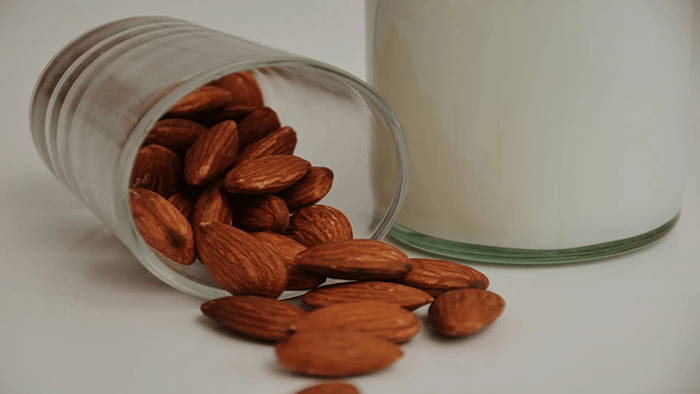
One of the most popular lactose-free milk options for kids, almond milk is high in vitamin E and, when fortified, provides calcium and vitamin D comparable to cow's milk. It has a light, and sweet flavour that most children can adjust easily to. It works well in smoothies, baking, and as a straight drink.
4. Soy Milk
Soy milk is the closest to cow's milk in terms of protein content and is often fortified with calcium and vitamins. It is a strong choice for children who need a protein-rich alternative and works well in cooking, pasta sauces, and dairy-based preparations. Soy milk is available and is one of the most nutritionally complete dairy alternatives for kids.
5. Oat Milk
Oat milk has a natural sweetness and a creamy, dense texture that makes it good for baking. When fortified, it provides vitamins A, D, and B12, along with calcium and iron. It is also high in fibre, which supports digestive health. Children who like the taste of oats generally take to this one immediately.
Creative Ways to Include Dairy Alternatives in Meals
Smoothies and Shakes
Dairy alternatives can be used to make smoothies and shakes, and they improve the flavour compared to plain cow's milk. A few easy combinations that you can try are:
- Coconut milk + mango + banana smoothie, which is tropical, naturally sweet, great for breakfast
- Almond milk + strawberries + a little honey will give a light and sweet, a good after-school snack
- Oat milk + peanut butter + banana is creamy and filling, works well as a meal replacement after activity
These are simple ways to introduce lactose-free milk for kids who are still getting used to the taste difference from cow's milk.
Baking and Cooking
Most dairy alternatives substitute directly for cow's milk in a 1:1 ratio in baking and cooking, with small variations in flavour:
- Oat milk works best in sweet baked goods like muffins, pancakes, and bread because its natural sweetness enhances the final result
- Almond milk is excellent in cakes and biscuits, where a lighter, buttery note is welcome
- Soy milk is the most versatile for savoury cooking; pasta sauces, soups, and curries all work well with it
- Coconut milk adds richness to curries, rice puddings, and warm desserts
Once parents get comfortable substituting, most recipes don't need any other adjustments beyond swapping the milk.
Frequently Asked Questions
Is almond milk safe for toddlers?

Almond milk is generally safe for toddlers over one year of age as a drink alongside a varied diet, but it shouldn't be used as a primary milk replacement for children under two without medical guidance.
How do I know if my child is lactose intolerant?
Common signs include stomach pain, bloating, gas, or diarrhoea that consistently appear 30 minutes to two hours after consuming dairy products. If these symptoms disappear when dairy is removed from the diet and return when it's reintroduced, lactose intolerance is likely.
The views expressed are that of the expert alone.
Popular Topics