




 Parenting Guide


 Child Health & Growth


 Learning & Skills Development


 Food & Nutrition


 Bournvita




Introduction
Potatoes have often been known for their lack of nutritional value, but this is not completely true. This is because they are always eaten as greasy French fries or buttery mashed potatoes. However, potatoes are high in starch and have a bad reputation because of low-carb and Paleo diets. Also, potatoes are rich in carbohydrates, which is good for kids' health if cooked properly. They are essential as a source of energy.
Beyond these misconceptions, potatoes offer numerous nutritional opportunities. They are versatile and can be prepared in various healthy ways, providing essential nutrients like vitamins, minerals, and fiber. From baked potatoes to roasted wedges, the potato's potential extends far beyond the limitations imposed by unhealthy preparations. Adding potatoes as part of a balanced diet opens a world of culinary possibilities and nutritional benefits, challenging the misconceptions that have overshadowed the true value.
The Truth About Potatoes: Busting the "Unhealthy Food" Myth
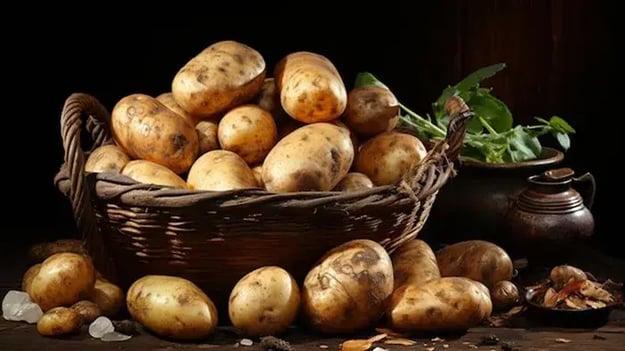
The problem isn’t the potato; it’s how you prepare it. Fries, chips, and heavily processed forms of potatoes became associated with junk food—and potatoes for children. A boiled potato contains approximately 87 calories, while a small portion of French fries contains more than 300 calories. Unfortunately, this nutritious vegetable has been pushed to the corner by the Paleo movement and low-carb diet culture. Carbohydrates in whole vegetables like potatoes are essential fuel for the growing child’s brain and muscles. Potatoes have health benefits for kids, but these benefits are lost only when the vegetable is deep-fried and loaded with salt. My verdict: boil it, bake it, or roast it, and it deserves its place on your child’s plate every time.
Potato Nutrition Facts: What's Inside One Medium Potato?
| Nutrient | Amount |
| Calories | ~87 kcal |
| Carbohydrates | ~20g |
| Protein | ~2g |
| Fibre | ~2g |
| Vitamin C | ~25% daily requirement |
| Potassium | ~620mg |
| Vitamin B6 | ~0.4mg |
| Iron & Magnesium | Small but meaningful amounts |
Keeping the skin on retains the most fibre and iron — always cook it with the skin where possible. When potatoes are cooked and then cooled, they also form resistant starch, which feeds healthy gut bacteria and supports digestion. Potatoes for kids are most nutritious in their simplest, least-processed form.
6 Proven Health Benefits of Potatoes for Growing Children
1. Packed with Essential Vitamins and Minerals
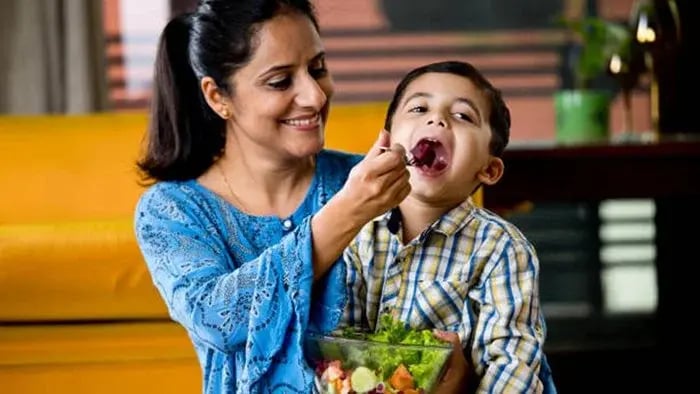
One medium potato is a good source of vitamins C and B6, potassium, iron, and magnesium. These nutrients are vital for bone health, nerve function, and energy production in growing children. Potatoes for kids are among the cheapest sources of multiple essential micronutrients available in every Indian kitchen. Vitamin B6 helps with brain development and mood regulation in kids. The mineral content is comparable to that of many expensive superfoods that parents buy separately. This is very good nutrition for a very low price.
2. Supports a Strong Immune System
Potatoes contain vitamin C, which helps to create white blood cells that fight infection. One medium potato provides about 25% of a child’s daily requirement for vitamin C. This vitamin helps to boost your immune defenses directly. Regular intake helps to recover faster from common childhood ailments. Potatoes combined with other vegetables make a truly immunity-building meal. Don’t overlook this common vegetable during the change of seasons.
3. Good for Heart Health and Blood Pressure
Potatoes are naturally high in potassium, which regulates blood pressure. Potatoes are good for kids’ hearts, supporting cardiovascular health early on. Eating a high-potassium diet makes kids less likely to develop high blood pressure later in life. A medium potato contains more potassium than a banana. And potatoes’ magnesium supports healthy heart muscle function. Heart-healthy habits started early in life protect children well into adulthood.
4. Promotes Healthy Digestion and Gut Health
Potato fiber aids normal bowel movement and prevents constipation. When potatoes are cooked and then cooled, they form resistant starch, which is a prebiotic. Potato for kids with resistant starch feeds good gut bacteria directly. Now, a healthy gut microbiome is associated with better immunity, mood, and even brain function. The best choice for digestive health is boiled or baked potatoes in the skin. And children who eat enough fiber every day have less trouble with their tummies overall.
5. Keeps Kids Full and Supports Healthy Weight
Potatoes are very high on the satiety index. They keep kids fuller longer. Are potatoes good for kids who overeat or snack between meals? Yes—they're naturally filling, so kids won’t be snacking needlessly. Boiled or baked potatoes provide kids with energy without the blood sugar spikes. When paired with protein and veggies, they make perfectly balanced, satisfying meals. A full child is a child who is focused and energized, ready to learn and play.
6. A Versatile Base for Balanced, Nutritious Meals
Potatoes are one of the most versatile vegetables in Indian cooking. If kids actually like eating potatoes, it makes it easier to provide the health benefits of potatoes for kids. Real nutrition is aloo sabzi, jeera aloo, boiled potato chaat, and stuffed parathas. Potatoes go naturally with proteins like dal, paneer, and eggs. Serve them mashed for toddlers, roasted for older kids, and baked for teens. Its versatility makes it easier to have balanced meals on a regular basis.
How Much Potato Should Children Eat Per Day?
Portion size matters as much as preparation method. Here is a simple age-wise guide:
| Age Group | Recommended Portion |
| Toddlers (1–3 yrs) | 2–3 tablespoons mashed or soft-cooked |
| Young children (4–8 yrs) | ½ to 1 small potato (~75g) |
| Older children (9–12 yrs) | 1 medium potato (~150g) |
Try for potatoes three or four times a week. Other vegetables in between. Potatoes for children are best when served with a varied diet, not as the only vegetable on the plate. Don’t rely on potatoes daily, and push aside other nutrient-dense veggies. Rotation aids in maintaining a nutritional balance and makes meals interesting for growing children.
Conclusion
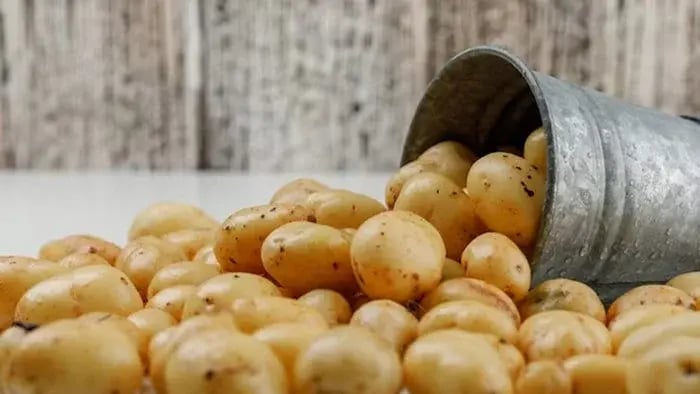
It’s not the potatoes that are the problem; it’s how you prepare them. They're really nutritious, affordable, and versatile when boiled, baked, or roasted and eaten with protein and vegetables. Potato for kids is a smart and practical food choice for Indian families at all age groups. Change from fried to baked and let this humble vegetable work its magic. Find out more on TJK—see our articles on Healthy Tiffin Ideas and Carbohydrates in a Child’s Diet for more practical help.
Frequently Asked Questions
Are potatoes healthy for children?

Yes, boiled or baked. They give kids vitamin C, potassium, fiber, and B6. Potatoes are good or bad for growing kids, depending on how they are prepared.
Do potatoes cause weight gain in kids?
Not by yourself. Baked or boiled potatoes are low in calories and high in fiber. Unhealthy weight gain comes from deep frying and adding too much salt or butter.
How many potatoes can a child eat per day?
A small to medium potato per day is generally safe. At their age, give them a few 3-4 times a week, rotating with other vegetables, for a balanced, nutrient-rich diet.
What is the healthiest way to cook potatoes for kids?
Potatoes are best boiled or baked in the skin. It keeps fiber, vitamin C, and iron. Do not deep fry, salt excessively, or use heavy cream-based preparations for young children.
Are potatoes good for a child's brain development?
Yes. Potatoes contain vitamin B6, which helps create neurotransmitters and develop your brain. Carbs also provide a steady supply of glucose, the brain's primary and preferred fuel.
Can toddlers eat potatoes?
Yes, for about six months as soft mashed potatoes. Very young toddlers should avoid salt and added fats. It's tummy-friendly—easy to digest and packed with nutritional value.
Her love for storytelling began with reading her grandfather’s speeches, where Tarishi saw the power of words in creating lasting memories. Combining her passions for food and writing, she has turned her life into a fulfilling path of sharing stories that celebrate flavours and how food brings communities together.
The views expressed are that of the expert alone.
Popular Topics