



 Parenting Guide


 Child Health & Growth


 Learning & Skills Development


 Food & Nutrition


 Bournvita





Introduction
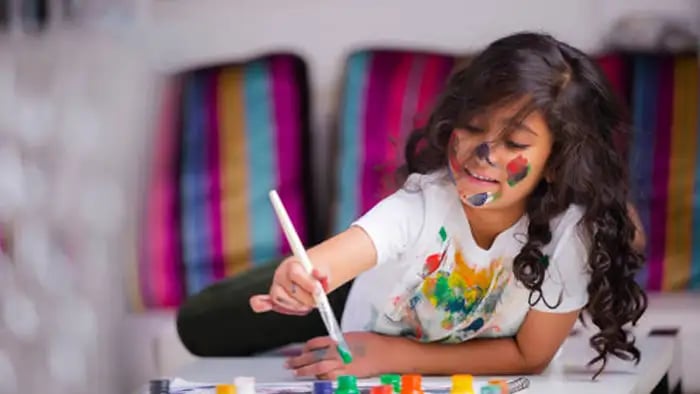
Mindfulness art activities can help kids slow down, relax and focus on the moment. Art and craft give children a simple way to express emotions while enjoying a screen-free creative activity. Whether they are colouring, shaping clay or making something from recycled materials, the process encourages them to pay attention to colours, textures and movements. These activities can also support patience, concentration and self-expression. The best part is that mindfulness through art does not need to feel like a formal exercise. A few simple materials and a quiet space can turn everyday craft time into a calming experience for children of different ages.
What Is Mindfulness?
Mindfulness means being fully present and paying attention to thoughts, feelings and surroundings without judging them. For children, it can be as simple as focusing on one activity at a time. Practising mindfulness may help children manage stress, understand their emotions and develop better concentration.
How Art and Craft Promote Mindfulness in Kids
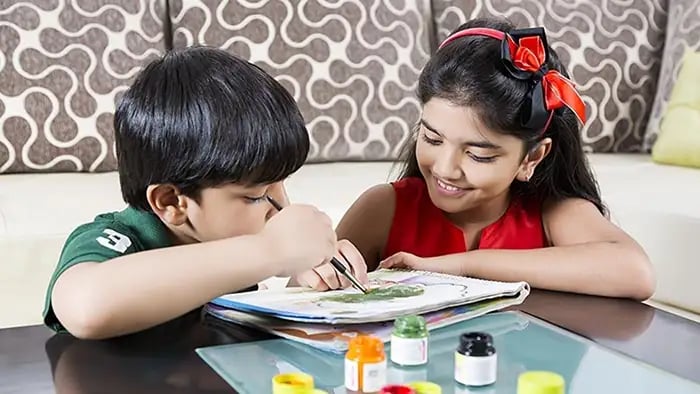
Art and craft activities encourage children to slow down and focus on what they are doing. When colouring, painting or threading beads, children pay attention to details such as colours, textures and shapes, helping them stay engaged in the present.
For example, colouring can work in a way similar to meditation. Repetitive movements and careful attention to each section can create a calm, focused state. Craft activities such as cutting, gluing and weaving can offer a similar experience.
Creative activities also give children a safe way to express thoughts and emotions that may be difficult to explain in words. Completing a project can provide a sense of achievement and build confidence. With regular practice, art and craft can become a simple way for children to relax while developing creativity and emotional awareness.
Creative Art and Craft Projects for Kids' Mindfulness
These simple projects combine creativity with activities that encourage focus, observation and calmness.
Nature Collages
Collect leaves, flowers and small twigs from a garden or park and arrange them into a collage. Ask children to notice the different shapes, colours and textures they find. This also builds observation skills while encouraging them to connect with nature.
Mandala Coloring
Give children printed mandala designs and coloured pencils or markers. The repeated patterns encourage careful attention and concentration, making colouring a simple and calming mindfulness activity.
Clay Sculpting
Give your child some clay and let them shape it into animals, objects or anything they imagine. The hands-on texture can be soothing while also supporting creativity and fine motor skills.
DIY Stress Balls
Help children decorate balloons filled with rice or flour to make simple stress balls. Squeezing the finished ball can provide a calming sensory activity. Younger children should always be supervised around balloons to reduce choking risks.
Painted Rocks
Collect smooth rocks and let children paint them with patterns, faces, animals or simple designs. Combining painting with finding natural objects makes this an enjoyable activity that encourages slow, careful work.
Mindful Drawing
Ask children to draw whatever comes to mind without worrying about whether the picture looks perfect. Freeform drawing gives them space to express thoughts and feelings without focusing on the final result.
Paper Weaving
Cut colorful paper into strips and show children how to weave them together. The repeated movements require attention and patience, making this a simple craft for encouraging a calm, focused state.
Gratitude Jars
Let children decorate a jar and fill it with small notes about things they appreciate. They can write about people, activities, places or moments that made them happy. This combines creativity with a positive reflection exercise.
Tissue Paper Stained Glass
Cut colorful tissue paper into different shapes and arrange them on clear contact paper. Children can experiment with patterns and colours while creating a bright stained-glass-style decoration for a window.
Sensory Bottles
Fill a clear plastic bottle with water, glitter and small objects, then seal it securely. Children can shake the bottle and watch the objects move slowly as they settle. Observing the movement can encourage them to pause, focus and relax.
Tips to Make Art and Craft Time More Mindful
A few simple changes can make craft time more calming and focused:
- Reduce distractions: Turn off the television and keep phones and other screens away during the activity.
- Focus on the process: Encourage children to enjoy making the project instead of worrying about creating something perfect.
- Let them choose: Allow children to select colours, materials or projects that interest them.
- Keep the pace relaxed: There is no need to rush. Give children enough time to explore the activity.
- Create a calm space: Use a comfortable, well-lit area where children can concentrate without interruptions.
- Talk about feelings: After the activity, ask how they felt while creating it or which part they enjoyed most.
- Keep sessions simple: Even 10–20 minutes of focused craft time can become a useful calming routine
Conclusion
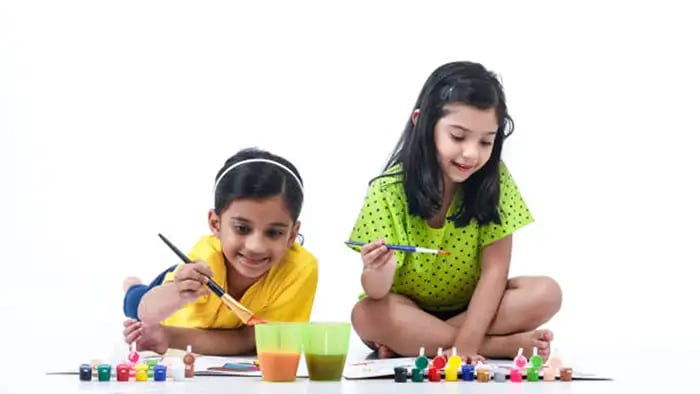
Art and craft can be more than creative play—they can give children a simple way to slow down, focus and express themselves. From mandala colouring to clay sculpting and gratitude jars, these activities can support mindfulness while keeping kids engaged. Choose one project and try it with your child this week, focusing on the experience rather than the finished creation.
Frequently Asked Questions
At what age can kids start practising mindfulness through art?

Young children can begin with simple activities such as colouring, drawing, sensory play and nature collages, with the activity adapted to their age and abilities.
Can art and craft help kids with anxiety or big emotions?
Creative activities can provide a calm outlet for self-expression and help children focus on the present. They should complement, not replace, professional support when needed.
What craft materials are best for younger kids' mindfulness activities?
Crayons, washable paints, large paper, play clay and child-safe craft materials are good options. Always choose age-appropriate supplies and supervise activities involving small parts.
Her love for storytelling began with reading her grandfather’s speeches, where Tarishi saw the power of words in creating lasting memories. Combining her passions for food and writing, she has turned her life into a fulfilling path of sharing stories that celebrate flavours and how food brings communities together.
The views expressed are that of the expert alone.
Popular Topics