




 Parenting Guide


 Child Health & Growth


 Learning & Skills Development


 Food & Nutrition


 Bournvita




Introduction
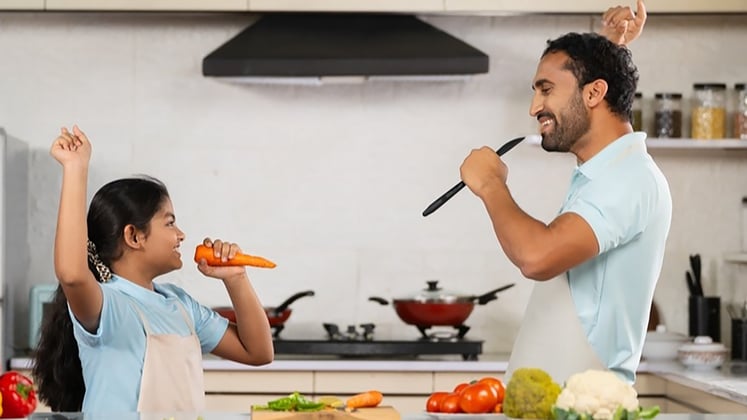
Keeping children active indoors can be simple, creative, and enjoyable with items already available at home. Instead of relying on expensive gym gear, families can use everyday objects to create exciting fitness activities that support movement, coordination, and strength. From towels and cushions to cardboard boxes and plastic bottles, many household materials can become fun workout tools. Combining bodyweight exercises with exercises using household items encourages children to stay active while developing healthy habits. These playful activities turn ordinary spaces into fitness zones where kids can move, learn, and have fun regardless of weather conditions.
Why Household Items Make Great Home Workout Equipment
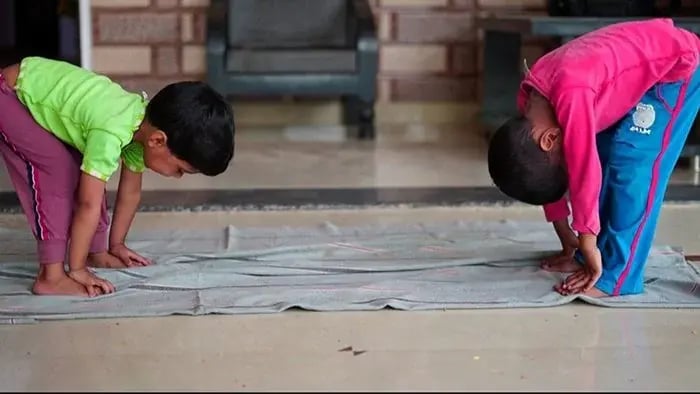
Household materials can transform exercise sessions into exciting experiences while making physical activity accessible for every family.
Easy, Affordable, and Safe
Most items needed for workouts are already available at home, making activities budget-friendly and suitable for children.
Uses Everyday Objects Already Available at Home
Simple everyday objects such as towels, bottles, baskets, and cushions can support creative movement challenges and games.
Makes Fitness Playful Instead of Forced
Fun activities encourage participation and help children view exercise as an enjoyable part of daily life.
Household Items You Can Use for Kids’ Workouts
Common household materials can become excellent home workout equipment for exciting indoor activities.
Towel Exercises for Strength and Stretching
Towel exercises include tug-of-war challenges, partner pulls, stretching routines, and sliding movements. These activities help improve flexibility, coordination, strength, and balance while making workouts engaging.
Plastic Bottles as Mini Weights or Cones
Filled bottles can be used for arm lifts, relay markers, target games, and movement drills. They work well as beginner-friendly home workout equipment.
Paper Plates as Exercise Sliders
Paper plates support sliding lunges, mountain climbers, balance challenges, and movement games that improve coordination, agility, and lower-body strength.
Pillows and Cushions for a Homemade Obstacle Course
A homemade obstacle course using cushions encourages jumping, crawling, balancing, stepping, and creative movement while providing a soft landing surface.
Brooms and Mops for Agility Drills
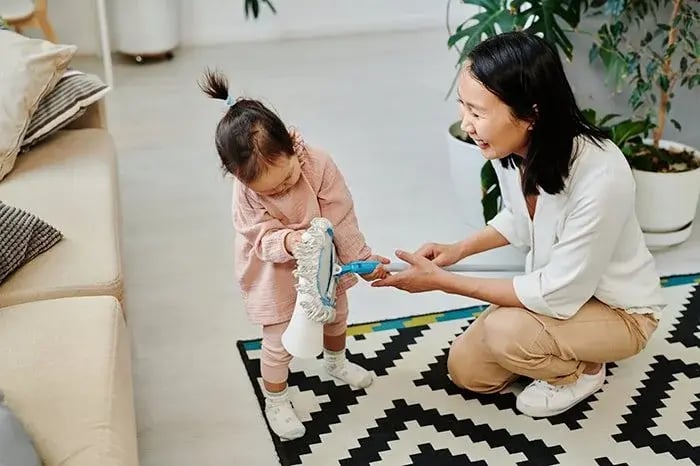
Brooms can be used for limbo challenges, jump-over drills, balance practice, and coordination games that develop agility and body control.
Cardboard Boxes for Crawling and Climbing Games
Boxes become tunnels, forts, obstacle stations, and crawling paths that encourage full-body movement and imaginative play.
Laundry Baskets for Throwing and Relay Games
Laundry baskets support tossing games, relay activities, and target challenges that improve hand-eye coordination and cardiovascular fitness.
Simple Bodyweight Exercises Kids Can Do at Home
These bodyweight exercises require no special equipment and can be performed in small indoor spaces.
Squats
Squats strengthen leg muscles, improve balance, and support movement skills needed for daily activities and sports participation.
Jumping Jacks
Jumping jacks raise heart rate, improve coordination, and provide an effective full-body workout for children.
Wall Sits
Wall sits build lower-body strength, endurance, and stability while encouraging proper posture.
Bear Crawls
Bear crawls improve coordination, arm strength, core stability, and whole-body movement patterns.
Crab Walks
Crab walks develop upper-body strength, balance, flexibility, and coordination through playful movement.
Plank Holds
Planks strengthen the core, shoulders, and back while improving body control and stability.
Indoor Workout Games Using Everyday Objects
Creative games turn an indoor workout into an exciting experience for children.
Bottle Bowling
Use plastic bottles as pins and roll a ball to improve aim, coordination, and movement skills.
Cushion Hopscotch
Arrange cushions as hopping stations that challenge balance, jumping ability, and coordination.
Laundry Basket Toss
Throw softballs into baskets placed at different distances to improve accuracy and concentration.
Towel Pull Races
Partner races using towels encourage teamwork, strength, and fun physical activity.
Paper Plate Skating
Sliding across smooth floors using paper plates helps develop balance, coordination, and agility.
Benefits of Home Exercises for Kids
Home exercises support physical, emotional, and social development while encouraging active lifestyles.
Improves Physical Health and Strength
Movement activities strengthen muscles, support heart health, improve flexibility, and contribute to overall fitness.
Supports Focus and Emotional Well-Being
Exercise helps improve concentration, boosts mood, and provides a positive outlet for energy and emotions.
Encourages Teamwork and Family Bonding
Group activities strengthen relationships, improve communication, and create enjoyable family experiences.
Builds Healthy Exercise Habits Early
Introducing fitness during childhood helps children develop positive attitudes toward lifelong physical activity.
Safety Tips for Kids’ Workouts at Home
Creating a secure environment helps children participate confidently and comfortably.
- Move furniture away from activity zones to provide adequate space and reduce injury risks during movement.
- Dry surfaces help prevent slips and support safer participation during active games and exercises.
- Choose soft, lightweight materials that are easy for children to handle during activities.
- Select exercises suitable for a child's abilities, interests, and developmental stage.
- Adult supervision helps ensure activities remain safe and enjoyable throughout the workout session.
How to Build a 20-Minute Kids’ Home Workout
A simple routine helps children stay active while keeping workouts enjoyable.
Warm-Up: 5 Minutes of Stretching
Begin with gentle stretches, arm circles, and light movement to prepare muscles and joints.
Main Activity: 10–12 Minutes Using Household Items
Combine obstacle challenges, tossing games, agility drills, and indoor exercises using available materials.
Cool-Down: 3–5 Minutes of Breathing and Light Stretches
Finish with breathing exercises and gentle stretches to encourage relaxation and recovery.
Frequently Asked Questions
What household items can be used for kids’ workouts?

Towels, cushions, cardboard boxes, laundry baskets, bottles, paper plates, and brooms can all support creative fitness activities.
Are bodyweight exercises safe for children?
Yes. Age-appropriate bodyweight exercises such as squats, planks, and jumping jacks are generally safe when performed correctly.
How can I create a homemade obstacle course?
Use cushions, boxes, chairs, and safe household materials to create stations for crawling, jumping, balancing, and movement challenges.
What are easy indoor exercises for kids?
Jumping jacks, squats, bear crawls, crab walks, stretching routines, and movement games are excellent options for indoor activity.
Conclusion
Using everyday household items for kids' workouts transforms fitness into a fun, accessible, and engaging activity. By incorporating simple objects like towels, bottles, and cushions, parents can create dynamic exercise routines that promote physical health, coordination, and a lifelong love for movement. These creative approaches not only make workouts enjoyable but also foster imagination and family bonding, ensuring children stay active and healthy indoors.
Deepali is a senior food and wellness writer with over a decade of experience in top media houses, crafting engaging narratives. She is a professional home baker and loves exploring food from every corner of the world to reading cookbooks. She believes a healthy lifestyle is a combination of both mental and physical fitness. Her goal always remains to keep moving, eating seasonal and practicing gratitude.
The views expressed are that of the expert alone.
Popular Topics