



 Parenting Guide


 Child Health & Growth


 Learning & Skills Development


 Food & Nutrition


 Bournvita





Introduction
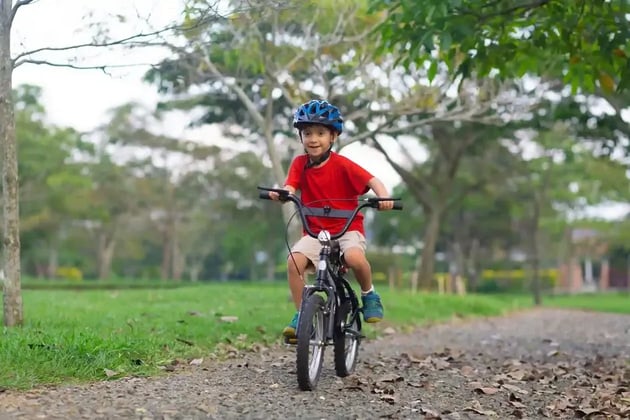
Imagine your child waking up feeling energetic, excited to move, and ready to take on the day. While that may not happen every morning, creating a routine that includes regular physical activity can make a big difference to your child's health, mood, and confidence. Whether it's playing tag, cycling, dancing, or participating in fun physical activity games for kids, movement helps children stay active while making exercise enjoyable rather than a chore.
Regular exercise supports much more than physical fitness. It strengthens bones and muscles, improves concentration, enhances mood, and encourages better sleep. According to the Centers for Disease Control and Prevention (CDC), regular physical activity lowers the risk of several chronic diseases and supports long-term health. Research published in the Journal of the American Medical Association (JAMA) also highlights that activities such as walking, cycling, and swimming improve overall fitness and metabolic health. Understanding why physical activity is important for kids can help parents build healthy habits that last a lifetime.
Why Physical Activity Matters for Kids
Regular physical activity is essential for healthy growth and development. According to the ICMR, many Indian children do not achieve the recommended daily activity levels, increasing the risk of obesity and lifestyle-related health problems. Encouraging fun physical activity games for kids every day supports both physical and mental well-being.
Some of the key benefits of physical activity for kids include:- Builds strong bones, muscles, and joints.
- Supports healthy weight and heart health.
- Improves balance, coordination, and motor skills.
- Enhances concentration, memory, and academic performance.
- Reduces stress, anxiety, and low mood.
- Encourages better sleep and higher energy levels.
- Promotes confidence, teamwork, and social skills.
Types of Physical Activities for Kids by Age Group
The best exercises for kids vary with age, interests, and developmental stage. Choosing age-appropriate activities helps children stay active while having fun.
- Toddlers (2–4 years):Walking, dancing, ball play, climbing, running, and obstacle courses.
- Children (5–8 years):Cycling, swimming, hopscotch, skipping, football, tag, and playground games.
- Children (9–12 years):Team sports, martial arts, skating, athletics, badminton, resistance exercises using body weight.
- Teenagers (13–17 years):Running, strength training with supervision, cycling, yoga, sports, hiking, and fitness classes.
Physical activity is one of the best things that you can give your child. It not only helps to keep them healthy, improves cardiovascular health (means fewer colds, coughs and falling sick!), balances blood pressure and also has a variety of benefits for their overall development.
In India, ICMR has said that 60 % of the population doesn’t meet basic levels of physical activity while the Public health foundation of India (PHFI) has found that only 13% of adults meet the WHO recommendations for physical activity. The question remains, how can we incorporate physical activities for kids so that they may enjoy it, adapt to it and miss it when they’re not able to do an activity, making physical activity an intrinsic part of their identity?
Let’s talk about the different types of physical activities for kids and discuss what equipment is needed for each activity, as well as tips on how to make physical activity more engaging for your child. In addition, we lay the foundation for some ideas to make sure your child is getting the recommended amount of physical activity each day and discuss ways to encourage them to be more active.
When it comes to including physical activity in a kid’s daily routine, there are a variety of options available. Some activities, like running or swimming, are great all-around exercises that can be done by kids of all ages. Other activities, like tennis or soccer, are better suited for older children while still others – like yoga or kickball – are perfect for younger kids who aren’t yet strong enough to participate in more intense activities. Based on your child’s age and interests, choose an activity that they will love and help them develop essential motor skills and coordination.
| Kind of exercise | Age group | Area of impact |
| Running and jogging | 6-13 years | Cardiovascular fitness, joint stability |
| Swimming | 6-12years | Full body workout, muscle strength and flexibility |
| Cycling | 9 years onwards | Cardiovascular health, stamina, muscle strength, endurance |
| Dancing | 4 years onwards | Muscle strength, coordination, cardiovascular fitness |
| Yoga | 3 years and above | Flexibility, muscle strength, balance, coordination |
| Jumping rope | 7 years and above | Cardiovascular strength and endurance |
| Team sports- soccer, volleyball, basketball etc | 5 years onwards | Cardiovascular strength and fitness, muscle strength, fitness and endurance |
| Gymnastics | 6 years onwards | Improving muscle flexibility, muscle strength, endurance, coordination |
To make physical activity more engaging for kids, try incorporating some fun props into the equation and introduce these games in an unconventional way – like bouncy balls or a slide to start with as little children at age 2-3 years – as well as songs that they can sing along with during their workouts.
You can keep a basketball next to their study area and they have to dribble it 20 times every time they take a study break? Or jumping jacks as soon as they wake up. You can even encourage them to help you carry part of the grocery once they’re older. Sounds like fun, right? It has been scientifically proven that if we do ‘snack-sized activities’ throughout the day, we develop much better metabolic health and fitness.
And finally, don’t forget to reward your kid every once in a while with some special privileges (like staying up late) or a playdate with a friend if they’re doing their part in making healthy exercise a part of their daily routine!
Benefits of Outdoor Play and Exercise for Children
When I first met Sarvesh (name changed), he was struggling with school and rarely went outside to play because he believed he needed to spend all his time studying. As a result, he slept late, woke up tired, and lacked energy throughout the day. Together with his parents, we introduced just 10 minutes of daily physical activity before his evening screen time, followed by a nutritious glass of sattu. Gradually, those 10 minutes became football games with friends and regular fitness classes. Within three months, Sarvesh became more energetic, slept better, felt happier, and gained confidence both in school and during play.
Benefits of Outdoor Play- Improves self-confidence and encourages children to stay active.
- Enhances focus, memory, coordination, and problem-solving abilities.
- Supports emotional well-being by reducing stress and anxiety.
- Promotes better sleep quality and healthier daily routines.
- Strengthens friendships, teamwork, and communication skills.
- Encourages healthy habits such as staying hydrated, wearing appropriate clothing, and spending time in nature.
How to Make Exercise Fun — Gamification Ideas for Kids
Children are more likely to stay active when movement feels like play instead of exercise. Turning everyday activities into games helps build lifelong healthy habits while making fitness enjoyable for the entire family.
Try these fun physical activity games for kids:
-
Create backyard or indoor obstacle courses using cushions, cones, or chairs.
-
Play classics like tag, hopscotch, kho-kho, hide-and-seek, or relay races.
-
Organise family dance-offs or freeze dance challenges.
-
Set step-count or movement challenges with small rewards.
-
Walk or cycle short distances instead of driving whenever possible.
-
Encourage activities based on your child's interests, such as football, dance, martial arts, swimming, or skating.
-
Introduce new games regularly to keep children excited and motivated.
-
Join your child during playtime to make physical activity a fun family routine.
Indoor vs Outdoor Activities for Kids
Both indoor and outdoor activities help children stay active, and each offers unique benefits.
| Indoor Activities | Outdoor Activities |
| Ideal during rainy weather or extreme heat. | Provides fresh air and exposure to nature. |
| Dance, yoga, obstacle courses, skipping, active games, and fitness videos. | Cycling, football, cricket, running, swimming, hiking, and playground games. |
| Builds flexibility, balance, and coordination in limited spaces. | Improves endurance, social interaction, and overall physical fitness. |
How Much Physical Activity Does My Child Need?
According to the World Health Organization (WHO) and CDC:
- Children aged 3–4 years: At least 180 minutes of physical activity spread throughout the day, including energetic play.
- Children and adolescents aged 5–17 years: At least 60 minutes of moderate-to-vigorous physical activity every day.
- Include activities that strengthen muscles and bones at least three days per week, such as climbing, jumping, or age-appropriate resistance exercises.
Adding different types of physical activity is just the beginning!
The importance of physical activity for children cannot be overstated. Getting them started is just the beginning. Not only does it help to build healthy bones and muscles, but it also has a variety of benefits for their 360° development. With the right guidance and equipment, you can help ensure your child is getting the recommended amount of physical activity while growing into a bright and dynamic individual and they will thank you for it someday.
Frequently Asked Questions
How many minutes of physical activity does a child need per day?

Most children aged 5–17 years should get at least 60 minutes of moderate-to-vigorous physical activity every day, while younger children need even more active play spread throughout the day.
What are the best exercises for kids who dislike sports?
Walking, cycling, dancing, swimming, yoga, obstacle courses, active games, skipping, and family fitness challenges are excellent options that make exercise enjoyable without competitive sports.
Her love for storytelling began with reading her grandfather’s speeches, where Tarishi saw the power of words in creating lasting memories. Combining her passions for food and writing, she has turned her life into a fulfilling path of sharing stories that celebrate flavours and how food brings communities together.
The views expressed are that of the expert alone.
Popular Topics