



 Parenting Guide


 Child Health & Growth


 Learning & Skills Development


 Food & Nutrition


 Bournvita





Introduction
Water is the most important resource on our entire planet today. No life, human, animal, or plant, can survive at all without clean water. One of the most urgent jobs of parents is to teach their children to save water. Water-saving methods for kids need to be introduced at an early age and reinforced every single day.
According to UNICEF’s 2019 water report, one in four children around the world will be living in spaces of extreme water scarcity by 2040. That number should scare every parent who reads this right now. Not just environmental lessons but life skills and ways to save water for kids. Children who understand water scarcity are responsible and conscious adults. India faces a very severe water crisis that is only worsening every year. As parents in India, making kids learn ways to save water should be an urgent priority in the household.
Children spend much of their time at home, at school, and on playgrounds. In all three, there are daily opportunities to practice saving water. Ways to save water for kids at home include turning off taps and reusing cooking water in a responsible manner. At school children can report leaking taps and use water fountains mindfully daily. How to save water at school for kids on the playground Do not have water play if there is a scarcity of water.
By practicing water savings in various environments every day, children help develop deep-seated habits. If you teach kids water-saving techniques early on, it’s a habit of conservation that will last a lifetime. Parents modelling water-saving behaviour at home powerfully accelerate this learning in children. Consistently change one simple habit and you can start teaching kids ways to save water today.
7 Ways to Save Water for Kids at Home, School and Playground
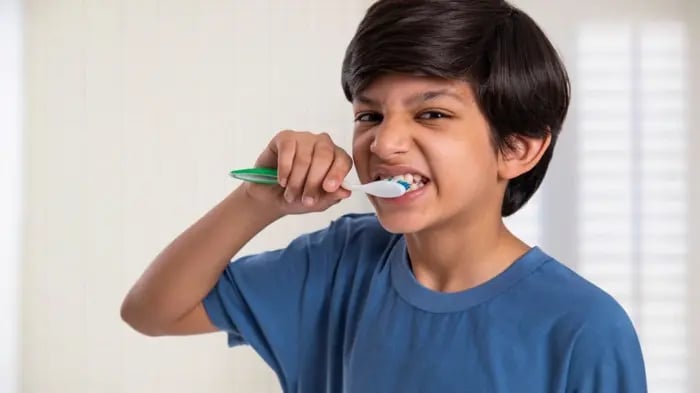
1. Don’t leave the tap running while kids brush their teeth
If your kids leave the tap running while brushing, they can waste up to six liters of water per minute. This is one of the most impactful ways to save water for kids. Show your child how to wet their brush, turn off the tap, brush all over for two minutes, and then rinse quickly. Have a visual reminder sticker on the bathroom tap to reinforce it daily. Children who cultivate this habit regularly inspire their schoolmates and friends. Make it a family rule that applies to every single person in the house equally and always.
2. School Leaking? Report It Right Away
A dripping tap at school can waste up to 20,000 litres of water per year. One of the most impactful things schools can do to save water is to teach kids to report leaks. Teach your child to inform their teacher or school peon whenever they notice a dripping tap. Make it a genuine responsibility, not a chore or a grievance. Kids who take ownership of their school environment develop a strong sense of civic responsibility early on. Praise your child specifically for every water problem they report at school, right away.
3. Use a Bucket Rather Than a Pipe for Outdoor Cleaning
Running a garden hose or pipe wastes hundreds of litres of water in minutes. For kids outside, one of the best ways to save water is a bucket with a set amount of water. Always teach your child to fill one bucket for washing bicycles, scooters or outdoor toys. Challenge yourself to complete the entire cleaning job with that one bucket. Kids like challenges that feel like games, not rules. One simple habit can save thousands of litres of water every year.
4. Water Plants with Leftover Drinking Water from Bottles
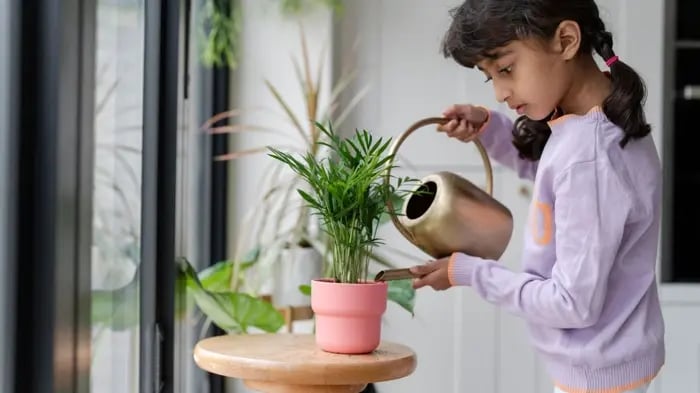
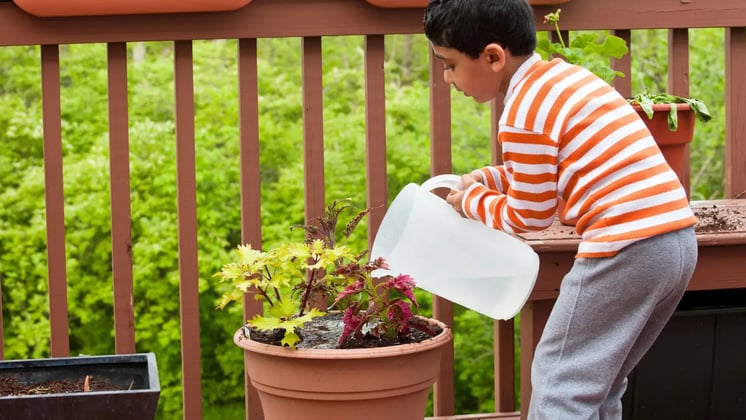
Kids often come home from school with water sloshing around in their water bottles. That leftover water down the drain is a waste of a precious daily resource. Teaching your kids to water plants with remaining water from bottles is one of the kindest water-saving methods for them. Give your child a small pot with their own plant or herb to water. And water that particular plant every single day with just leftover water from water bottles. When children care for and water plants, they are very proud of them.
5. Use a Timer for Shorter Showers
Long showers are one of the biggest sources of avoidable water waste in Indian homes every day. A standard shower uses roughly nine litres of water for every minute it runs. One of the most measurable ways to save water for kids at home is to teach them timed showers. Make it a daily game to get out of the shower before the timer rings and celebrate success. Children who like to be challenged will make timed showering a natural, permanent, lifelong habit.
6. Use Playground Water Stations Responsibly and Wisely
Many school playgrounds include outdoor water stations or handwashing points for children to use. Children often leave taps running after drinking or washing hands during outside breaks. One of the most important ways to save water for kids is to educate them about mindful water use at play stations. Tell children to remind friends if they see a tap running outside accidentally. Once kids get their classmates on board for a culture of water responsibility, the impact multiplies enormously and quickly.
7. Harvesting Rainwater for Use Outside or in the Garden
One of the most impactful ways to save water is through rainwater harvesting for kids to learn. India gets a lot of monsoon rain, and most of it runs unused down the drains and streets. With your child, set up a simple bucket or barrel under a drainpipe on the first monsoon rain. Let your child control how harvested rainwater is used for the garden and outdoor plants. This activity connects children directly and in a memorable, hands-on way to natural water cycles. Kids who are involved in collecting rainwater develop a deep, lifelong respect for this precious resource.
5 Ways Parents Can Teach Kids to Save Water
- Put up a water-saving chart on the fridge and tick off your child's successful water-saving habits each day.
- If your child manages to save water all week long, celebrate with a special activity or small reward that reinforces the positive behaviour in a powerful way.
- Share age-appropriate facts about villages in India where people walk miles every day just to get clean, safe drinking water for their families.
- Take your child along when you call a plumber to fix a leaking tap so they understand that leaks are serious and need fixing urgently.
- Tell them that the animals, plants, and games your child loves all depend entirely on enough clean water always being there.
Conclusion
Water is life, and every single drop counts for our future. Teaching kids to save water when they are young builds habits that last a lifetime and shape communities. Kids who save water at home, at school, and on the playground become powerful environmental champions. Choose only one habit from this list and build from there, consistently. The water your child saves today will save the world they will live in tomorrow.
Smriti is a content writer who creates clear, practical, and informative content backed by science and relevant data. With a strong understanding of structured writing, she breaks down complex topics into simple, actionable insights. Her work is focused on helping readers prepare, learn, and grow with confidence and clarity.
The views expressed are that of the expert alone.
Popular Topics