




 Parenting Guide


 Child Health & Growth


 Learning & Skills Development


 Food & Nutrition


 Bournvita





Introduction
Yoga is the holistic harmony of art and science, mind and body, and performance and physical exercise. Originating thousands of years ago, with the dawn of civilization in India and other Asian countries, yoga mainly relies on balance, coordination, right breathing, mindfulness, and posture. It has multiple health benefits for the human body and is a great physical activity for children and the elderly. Adults who wish to possess a lean, fit, and healthy physique can try it at home or with a yoga professional. However, few know the role yoga plays in enhancing sleep.
Sleep is an essential requirement for the human body. It is the only period of respite for the body to repair and replace cells, run successful enzymatic reactions, and for the mind to unwind and work on memories and dreams only. Since the 21st century’s hectic lifestyle takes its toll on every individual, most find it difficult to relax, even in sleep. Therefore, it is time to understand how yoga helps people sleep better and strengthens their body through rest.
Why Sleep Matters for Your Body and Mind
As kids sleep, your brain consolidates memories, process emotional experiences, and clear away metabolic waste products that have accumulated during waking neural activity. Physical tissue repair, growth hormone secretion, and immune system maintenance happen mostly during the night’s sleep.
Unresolved stress keeps this activation in place. Screen exposure before bed suppresses melatonin via blue-light mechanisms that delay the biological sleep drive, regardless of how tired a person consciously feels. Yoga for relaxation provides the nervous system with the soothing it needs for sleep through mechanisms that are enhanced with regular practice, rather than the tolerance inevitably created by pharmacological approaches.
How Yoga Helps You Sleep Better

Reduces Stress and Anxiety Before Bed
Yoga for stress relief activates the parasympathetic nervous system via the vagal nerve pathway, which is directly stimulated by diaphragmatic breathing. Clinical measurement studies show that cortisol levels drop measurably after 20 to 30 minutes of gentle yoga practice. Practicing yoga for anxiety relief before bed interrupts the cycle of anticipatory worry that anxious minds generate during the pre-sleep window.
Activates Relaxation Response in the Body
The relaxation response is a measurable physiological state characterized by decreased heart rate, decreased blood pressure, decreased respiratory rate, and parasympathetic nervous system dominance that is required for sleep onset. Yoga before sleep triggers this response through the combined effects of conscious breath regulation, muscular relaxation achieved through sustained postures, and the unique present-moment awareness that forward bends and restorative positions cultivate in practitioners.
Improves Breathing and Oxygen Flow
The breathing exercises for sleep teach a breathing pattern that optimizes oxygen exchange during practice and, later, during sleep. Stressed people tend to use chest breathing patterns that do not maximize oxygen efficiency and maintain a partial state of arousal, which prevents deep sleep stages from consolidating properly. The consistent breath instruction of yoga retrains breathing mechanics toward the deeper, slower patterns that restorative sleep physiologically depends on throughout the night.
Calms the Nervous System
Yoga to quiet the mind before sleep works via multiple simultaneous physiological pathways, not one single mechanism. Forward folds stimulate the vagus nerve by compressing the abdomen. Inversions help to redistribute blood flow. When it is dark and we are moving slowly, our hypothalamus signals a reduction in the secretion of arousal hormones. The combined effects relax the nervous system into the state of calm needed for sleep onset, regardless of how mentally active the practitioner was at the start of the session.
Supports Better Sleep Cycles and Recovery
The best yoga for sleep practices improve sleep not only in sleep onset but also in quality and architecture of sleep across the full night. Deeper relaxation at sleep onset allows for longer periods of slow-wave deep sleep, in which the most active physical recovery, immune maintenance, and growth hormone secretion occur. Practicing yoga for sleep and relaxation regularly over a four to six-week period helps to achieve cumulative improvements in overall sleep quality that can’t be achieved in single sessions.
Best Yoga Poses for Better Sleep
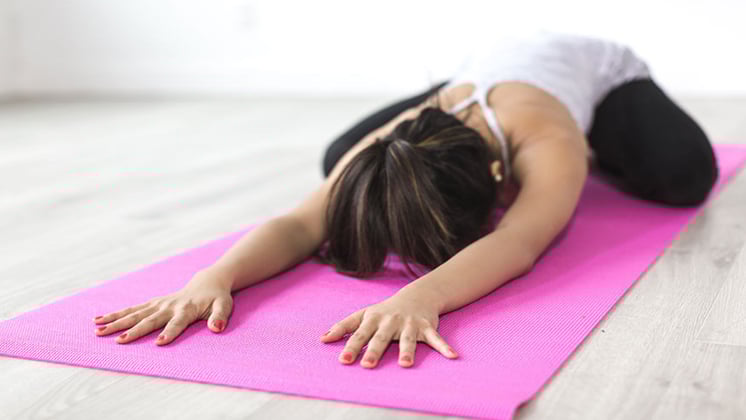
1. Balasana (Child’s Pose) – Relaxes the Mind
Child’s pose is a kneeling pose with the forehead on the floor or pillow and the body folding forward gently. This grounded forward fold activates the parasympathetic nervous system through vagal stimulation by the combination of abdominal compression and pressure on the forehead. Yoga poses for sleep start with child’s pose and help to ease the transition of the nervous system, which all later bedtime poses build on gradually. Hold for five to ten slow breaths before moving to the next position.
2. Paschimottanasana – Releases Muscle Tension
Seated forward bend gives a sustained stretch to the entire posterior chain, from the heels up through the calves, hamstrings, and spine. In this pose, the forehead is placed on stacked hands or a pillow. This increases the calming effect by sustained vagal stimulation and hamstring lengthening. Yoga poses for better sleep, including this forward fold, release accumulated lower back and hamstring tension that prolonged sitting creates throughout the day. Five to eight slow breaths in paschimottanasana release more muscle than twice that time in passive lying.
3. Viparita Karani – Improves Circulation

Legs up the wall pose counters the gravitational pooling of blood in the legs that long hours of standing or sitting during the day accumulate over time. This slight inversion improves venous return, reduces leg fatigue, and stimulates the parasympathetic response by changing the position in which the nervous system reads a rest signal. Yoga poses such as Viparita Karani are especially good for people who have trouble falling asleep due to leg pain or restlessness. Hold for five to fifteen minutes, breathing slowly and naturally without deliberately trying to control the breath.
4. Supta Baddha Konasana – Deep Relaxation Pose
The butterfly pose stretches the chest and inner thighs at the same time, with the entire backside of the body supported by the floor. Cushions or pillows under the outer thighs make the hip opening more comfortable and sustained, not an effortful stretch. This pose is a direct preparation for savasana, combining the chest opening of a mild backbend with the hip release of a forward-fold variation. It’s one of the most thoroughly restorative, relaxing yoga poses you kids can do before sleep, anywhere.
5. Savasana – Full Body Relaxation

Savasana is the pose of total physical and mental surrender that ends every yoga session, and every bedtime yoga practice specifically. Lying flat on the ground, with arms along the sides of the body, palms turned upward, eyes softly shut, allows the nervous system to assimilate all of the previous poses into a complete physiological rest state. Five to ten minutes of savasana with conscious attention to the breath reliably produces the deepest physiological relaxation created by any nonpharmacological pre-sleep intervention. This is the foundational yoga pose for sleep and relaxation, the one that all other bedtime yoga poses are specifically preparing the body and nervous system to enter.
More Relaxing Yoga Poses Before Bed
Cat-Cow Stretch – Releases Spine Tension
Cat-cow is a spinal flexion and extension movement in sync with the breath that releases the spinal tension accumulated from a whole day of activity. Five to eight gentle rounds of floor poses, followed by lying down, release the vertebral compression that prolonged sitting and standing create in daily life. Before bed, yoga stretches (cat-cow) help prepare the spine better for the floor poses that follow, rather than immediately going into static positions from a tense starting point.
Happy Baby Pose – Relieves Lower Back Stress
A happy baby on his back holding the outer feet with knees drawn toward the armpits provides traction decompression for the lower lumbar spine. The natural rocking motion of this pose also provides vestibular input that calms the nervous system, as it is close to the parasympathetic-activating effect of gentle rhythmic movement. Yoga stretches before bed with happy baby create the lower back relief many people specifically need before a comfortable sleep onset can be achieved.
Legs Apart Wall Stretch – Restorative Yoga Pose
With the wider leg separation that gravity helps gently into place, this wide-legged, legs-up-the-wall pose gives the inner thigh and groin the lengthening that is lacking in the usual viparita karani. This restorative yoga pose is especially beneficial for athletes who develop tension in their hip adductors from training or for those who sit cross-legged at work or school for hours.
Knee-to-Chest Pose – Calms the Body
Lying on your back and drawing both knees to your chest offers gentle traction for the lower back, stimulates the vagus nerve through abdominal compression, and provides the physical containment that anxious nervous systems find intrinsically calming before sleep. If you want to add yoga to your kids' bedtime routine, then this is the best addition for you, no matter your level of experience, age, or physical condition. There are no prerequisites to these relaxing poses, like knee-to-chest, and they’re suitable for every fitness level and flexibility level.
Breathing Exercises for Better Sleep
Deep Breathing Technique
Slow diaphragmatic breathing activates the vagal nerve pathway, directly stimulating the parasympathetic response, in which the belly expands outward on inhale and gently pulls inward on exhale. Starting with five to ten breaths of deliberate belly breathing before doing yoga poses triggers a physiological relaxation state that all subsequent yoga poses before bed progressively deepen throughout the session.
Box Breathing for Sleep
Box breathing is where the counts for inhale, hold, exhale, and hold are all equal, and they are all square. So the nervous system is brought to a measurable balance of sympathetic and parasympathetic activity. This breathing exercise for sleep technique is especially helpful for those who suffer from pre-sleep anxiety that causes rapid, shallow breathing, which in turn delays sleep onset due to sustained physiological arousal. A few series of box breathing (4-6 rounds) elicit the heart rate variability change that neuroscience recognizes as a reliable physiological marker of the onset of true relaxation.
4-7-8 Breathing Method
The 4-7-8 method involves inhaling for four counts, holding for seven, and exhaling slowly for eight counts, creating carbon dioxide buildup that stimulates the chemoreceptors and triggers the body's own physiological relaxation response. This pre-sleep anxiety intervention technique is one of the most empirically supported natural methods for accelerating sleep onset in adults and older children. Many practitioners report feeling drowsy after two to three minutes of consistent application, which occurs when kids do three to four rounds while in the savasana position.
5-Minute Bedtime Yoga Routine
Step-by-Step Quick Routine
Gentle Stretch: Begin with two to three cat-cow rounds to release spinal tension from the day's accumulated compression and static loading patterns.
Forward Bend: Seated paschimottanasana for five slow breaths releases hamstring and lower back tension that lying flat would otherwise maintain through continued muscular holding.
Legs Up the Wall: Viparita Karani for three to five minutes activates the full parasympathetic response through the inversion's circulatory and nervous system effects simultaneously.
Savasana: Final savasana with three rounds of 4-7-8 breathing allows complete nervous system integration and produces the physiological drowsiness that translates into faster, deeper sleep onset.
Restorative Yoga for Deep Sleep
Slow-paced poses
Restorative yoga for sleep uses passive, supported postures held for three to ten minutes each versus the one- to two-minute holds used in active yoga. It is the length of time that allows for deep-tissue release and nervous-system surrender that passive physiological mechanisms in short holds cannot provide.
Use of cushions/pillows
Blankets, bolsters, and pillows to support the body in restorative poses take away the muscular effort that unsupported positions maintain, allowing the nervous system to release its protective holding patterns fully. Restorative yoga poses are held in total passive support so that the practitioner experiences true effortlessness, not a state of constant low-level muscular tension during the hold.
Holding poses longer
Physiologically, the benefits of restorative yoga take place during the three to ten minute duration of the hold, during which the body’s own deep relaxation mechanisms are activated by sustained passive stimuli. Short periods of time in these poses provide little restorative benefit, as it takes the nervous system several minutes to register the consistent safety signal of extended passive support.
Tips for Practicing Yoga Before Bed
Avoid screens before sleep
Yoga for better sleep practice relies on the production of melatonin . By cutting off all screen exposure at least sixty minutes before bedtime.
Keep lights dim
Dimming household lights before and during yoga tells the hypothalamus to start decreasing arousal hormones in preparation for sleep. Yoga practice at bedtime is physiologically designed for supporting the accumulation of melatonin, which bright lights undermine.
Practice consistently
Unlike the immediate benefits of a single session, yoga for insomnia will provide cumulative benefits over four to six weeks of consistent nightly practice. The nervous system learns that the yoga sequence predicts sleep. The conditioned response is the association that the consistent pairing eventually makes.
Use calming music or silence
Gentle instrumental music at low volume or complete silence provides the auditory environment that the nervous system needs for the relaxation response that bedtime yoga is specifically designed to activate through combined sensory calming.
Avoid intense workouts at night
High-intensity exercise within two to three hours of bedtime raises your core temperature, elevates cortisol, and activates the sympathetic arousal state that yoga for sleep and relaxation is designed to resolve.
Common Mistakes to Avoid
Doing high-intensity yoga before bed
Power yoga sequences before going to bed increase physical arousal rather than decrease it, making sleep onset more difficult rather than easier. For sleep, the best yoga doesn’t include dynamic strength-building or cardiovascular sequences but gentle, passive, forward-folding, and restorative poses.
Skipping breathing exercises
The primary physiological mechanism by which bedtime yoga exerts its relaxation effects is breathing exercises for sleep. So poses without conscious breath regulation will still give kids the physical stretching benefits, but not the nervous-system-calming that makes yoga specifically superior to simple stretching for improving sleep quality.
Practicing in a noisy environment
It’s important to note that ambient noise creates a baseline alerting response in the nervous system that can prevent the deep parasympathetic state needed to prepare for quality sleep. Every bit of bedtime yoga pose and breathing exercise kids do in a calming, gently lit, and comfortably cool room is optimized.
Expecting instant results
Bedtime yoga for better sleep gives gradual benefits over weeks of regular practice, not instant dramatic results from standalone sessions. Some practitioners may give up after three sessions if they don’t see dramatic changes. But this is missing the four to six week adaptation period that sleep quality research suggests is necessary for noticeable consistent improvement.
Who Should Try Yoga for Sleep?
People with insomnia
Yoga for insomnia addresses the physiological arousal, psychological rumination, and conditioned alertness perpetuated by insomnia. The nervous system calming, thought redirection, and sleep association are built by regular bedtime practice over time.
Individuals with stress/anxiety
Yoga for anxiety relief before sleep breaks the cycle of stress-sleep disruption through parasympathetic activation. Physical yoga practice produces regardless of the practitioner’s willingness to cognitively engage with relaxation techniques during the session.
Students and working professionals
Yoga poses before bed provide the decompression transition between the cognitive demands of academic or professional work. The physiological surrender that restorative sleep requires from a nervous system still processing the unresolved demands of the day at bedtime.
Kids with irregular sleep cycles
A consistent short bedtime yoga routine is especially helpful for children with inconsistent bedtimes, school anxiety, or stimulating evening routines. The predictable calming sequence can be learned by their nervous systems and associated with impending sleep over weeks of daily repetition.
Conclusion
A consistent yoga practice for stress mitigation is a sustainable, natural solution to the sleep quality problems that a modern lifestyle continuously creates. Sleep onset requires physical tension and psychological arousal to be resolved before proceeding. This can be addressed by combining relaxing yoga poses with conscious breathing exercises for sleep. Regularity of practice matters more than the length of each session. Small nightly investments can add up to measurable improvements in sleep quality over the course of weeks.
Frequently Asked Questions
Is yoga good for sleep?

Clinical research regularly measuring sleep onset time and sleep quality in populations practicing regular bedtime yoga reliably answers the question of whether yoga is good for sleep in the affirmative.
Which yoga pose is best for insomnia?
The yoga poses with the strongest evidence for insomnia are Legs up the Wall, Child's Pose, Supta Baddha Konasana, and Savasana with 4-7-8 breathing. These poses together elicit the parasympathetic response, reduce muscular tension, improve venous circulation, and create the physiological conditions necessary for the onset of sleep.
How long should I do yoga before bed?
If kids do five to twenty minutes of gentle yoga before bed each night, they can see massive improvements in their sleep. This guide describes a five-minute routine covering the physiological bases for a person with little time available.
Can yoga cure sleep problems naturally?
Yoga for better sleep is a treatment for mild to moderate sleep difficulties through regular, natural practice without pharmaceutical dependence or side-effect concerns. Chronic severe insomnia with an underlying medical, psychological, or neurological cause requires a professional clinical assessment.
What is the best bedtime yoga routine?
For most people, the best bedtime yoga routine is cat-cow spinal release, child's pose or paschimottanasana forward fold, legs up the wall, supta baddha konasana, and savasana with 4-7-8 breathing.
Kaushiki Gangully is a content writing specialist with a passion for children's nutrition, education, and well-being. With more than five years of writing experience and a science-based background, she provides nuanced insights to help families raise happy, healthy kids. Kaushiki believes in making learning and healthy eating fun, empowering parents with practical, easy advice.
The views expressed are that of the expert alone.
Popular Topics