




 Parenting Guide


 Child Health & Growth


 Learning & Skills Development


 Food & Nutrition


 Bournvita





Introduction
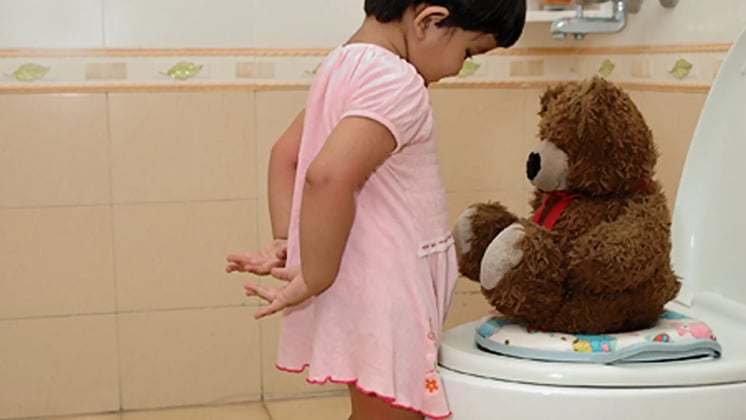
One of the most anticipated and worrying parenting milestones is potty training. Each child is ready on a truly unique pace/timeline. Kids' potty training success is more about signs of readiness than it is about age. Knowing what really works can reduce a lot of stress during this transition period. Here are ten practical, evidence-informed tips for a smoother experience overall. Every tip emphasizes patience, consistency, and actual readiness rather than hard timelines. None of these methods involve harsh discipline or unnecessary pressure on children. In a cross-sectional study of 409 children, one of the most powerful predictors for the speed of toilet training was the child’s individual readiness score. Taken together, these findings illustrate why potty training is most effective when tailored to the individual child.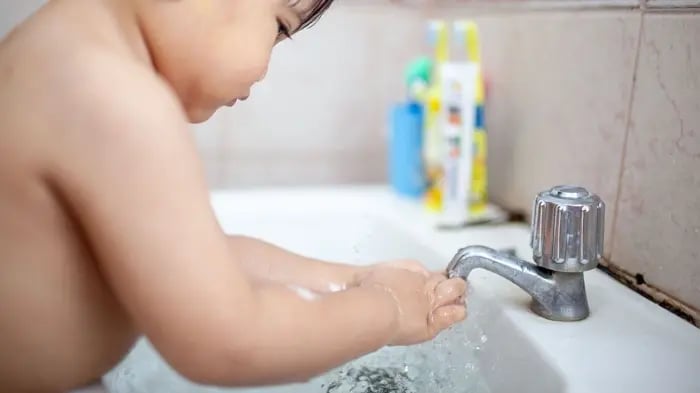
10 Potty Training Tips for Kids Every Parent Should Know
1. Look for real signs of readiness
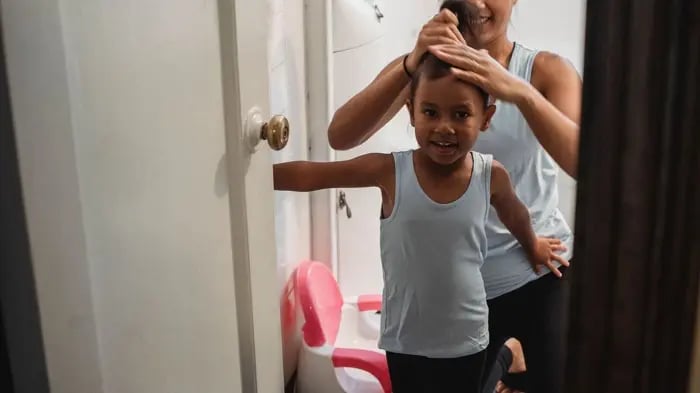
Watch for signs like staying dry for longer stretches or showing interest in the toilet. It’s not just physical readiness. It’s emotional readiness and cognitive readiness too. Overall, students who can follow simple two-step directions are usually better prepared. If you begin before you’re truly ready, you can add a lot of time to the whole process. This initial patience pays off in a smoother, faster process.
2. Select a Low-Pressure Commencement
Don’t start when there are big changes in your life, like moving house or a new brother or sister on the way. The stability and predictability help kids feel safe enough to try something new. Choose a time that causes minimal disruption to normal schedules and family rhythms. This reduces the emotional pressure, which can otherwise considerably slow real progress. A relaxed start really does help with overall faster and more confident learning.
3. Keep It Simple, Clear and Direct
Use specific words for body functions and be consistent among all carers. Daycare providers, grandparents, and parents need to be consistent so the child doesn’t get confused while learning. Clear, simple language makes an already confusing and new process less confusing. That small detail really does count for more than most parents first expect it to. Consistency in environments speeds up how quickly a child understands over time.
4. Establish a Regular Potty Routine
Take your child to the potty at regular times, such as after meals. This creates a predictable rhythm that children can expect and prepare for accordingly. Routine also helps prevent accidents by anticipating natural bathroom needs before they occur. Predictability is one of the most effective tools in this transitional period. Here, consistency builds confidence for both parent and child.
5. Praise, Not Material Rewards
In the long run, positive verbal encouragement trumps sticker charts or candy rewards. The praise is not for creating dependence on external rewards but for reinforcing the behavior itself. It’s not too complex; simple phrases, like “great job trying," build real confidence. It also avoids the power struggles that material rewards can sometimes create.
6. Dress your child in clothes that are easy to remove
Choose loose trousers, elastic waistbands, and simple clothing during the training period. It gives children the opportunity to dress themselves—which builds real confidence and independence. Clothing difficulty alone, with difficult buttons or zippers, can lead to accidents. Plain clothing removes another obstacle from an already difficult learning process. It's these little practical tweaks that really help the overall progress go faster.
7. Don’t Panic and Be Patient During Accidents
Mistakes are a totally normal part of the learning process. Reacting with frustration or disappointment can cause anxiety about using the toilet. Calmly clean up and reassure your child, without dwelling on the mistake. This approach prevents fear or shame from attaching to the learning process. Patience through setbacks really helps to achieve faster long-term progress overall.
8. Model behavior when appropriate
Children can learn by watching older siblings or parents use the toilet. This normalizes the behaviour and reduces anxiety about the unfamiliar process. Always speak to the kid you are helping in simple, age-appropriate, comfortable language. Modelling is especially helpful for children who learn by watching and copying. It’s a natural way of teaching and does not require special materials or formal structure.
9. Identify and address regression
Occasional regression is normal, especially if kids are under stress, ill or going through major life changes. If regression happens in the process, don’t show anxiety or disappointment. Restart the routine gently without viewing regression as a failure or setback. This calm reaction avoids adding extra pressure that could worsen the regression. Normalizing regression may help parents respond with the appropriate patience and support.
10. Know When to Seek Professional Help
If a child shows considerable resistance around age 4, consult a paediatrician. Continued struggle despite sustained effort may indicate an underlying developmental issue. Specialist advice can exclude physical causes and provide specific approaches. This step is proactive care and not a failure of the parent. Getting an early consultation really helps to address concerns before they turn into bigger issues.
Conclusion

Kids' potty training is most effective when patience and true individual readiness meet. As the readiness research shows, the most important cues are the child’s own. Be consistent and stay calm and encouraging during the learning process. With time and help, every child will reach this important milestone.
Frequently Asked Questions
When should potty training start?

Potty training readiness varies, but many children begin showing readiness between 18 months and 3 years. Look for signs such as communicating the need to use the toilet.
How can parents make potty training easier?
Keep a consistent routine, use simple instructions, offer encouragement, and avoid pressure. Patience and positive reinforcement can make the process more comfortable.
What should parents do if potty training is taking longer?
Give children time and avoid punishment for accidents. If persistent difficulties, pain, constipation, or unusual toilet habits occur, consult a pediatrician.
Smriti is a content writer who creates clear, practical, and informative content backed by science and relevant data. With a strong understanding of structured writing, she breaks down complex topics into simple, actionable insights. Her work is focused on helping readers prepare, learn, and grow with confidence and clarity.
The views expressed are that of the expert alone.
Popular Topics