




 Parenting Guide


 Child Health & Growth


 Learning & Skills Development


 Food & Nutrition


 Bournvita





Introduction
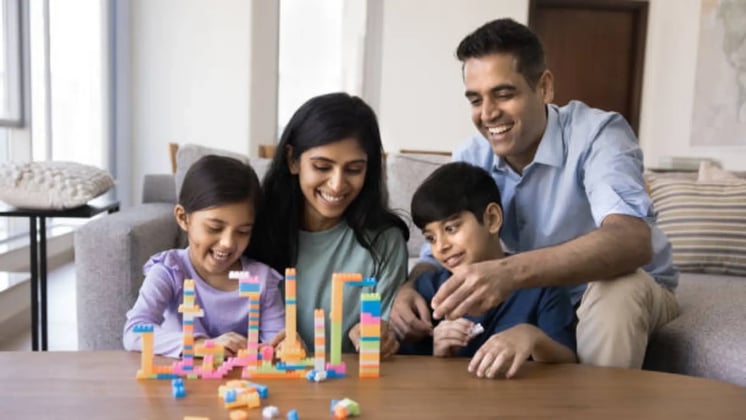
Rainy days, hot afternoons, weekends, and school breaks can create plenty of opportunities for meaningful family time at home. Instead of relying only on screens for entertainment, simple indoor games can keep them active, curious, and involved. The best activities do not always need expensive toys or special equipment. A few household items, some creativity, and willing family members can turn an ordinary room into a fun play area.
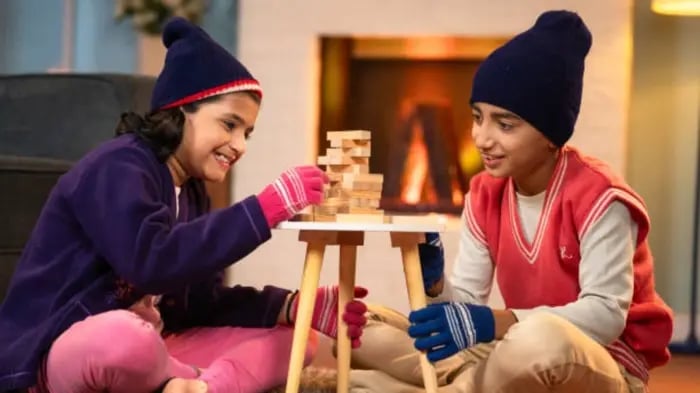
Indoor games can offer more than entertainment. Many activities encourage movement, memory, communication, problem-solving, creativity, coordination, and teamwork. Games can also help kids practice patience and learn how to follow simple rules while enjoying time with parents, siblings, or other family members.
Choosing games to play at home with kids can be especially useful when outdoor play is not possible. Families can select quiet activities for smaller spaces or movement-based games when kids need to stay active. Younger children may enjoy simple guessing and matching games, while older kids can try puzzles, challenges, strategy games, and team activities.
Family game time does not have to follow a strict schedule. Even 20 to 30 minutes can create opportunities for conversation, laughter, learning, and connection. With a mix of active, creative, and thinking-based activities, games to play at home with kids can make everyday family time more enjoyable while helping kids build useful skills.
25 Easy And Fun Indoor Games To Play At Home With Kids
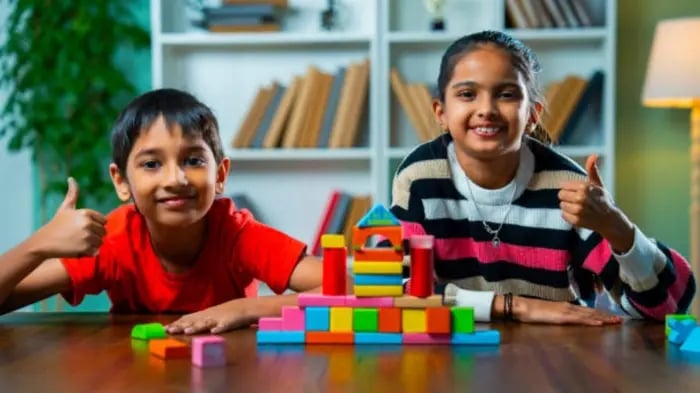
Finding suitable games to play at home with kids can make indoor family time more engaging without requiring complicated preparation. The following ideas include movement games, creative challenges, memory activities, guessing games, and simple competitions that can be adapted for different ages.
Indoor Treasure Hunt
Hide safe objects around the room and give clues to help kids practice observation, memory, movement, and problem-solving skills.
Simon Says
Give simple movement instructions and ask kids to follow only when “Simon says” is spoken, encouraging listening and concentration.
Charades
Let kids act out animals, objects, or actions without speaking, encouraging creativity, communication, observation, and confident expression.
Balloon Volleyball
Use a balloon for a gentle indoor volleyball game that encourages movement, hand-eye coordination, balance, and family teamwork.
Memory Tray Game
Briefly display several objects, cover them, and ask kids to remember the items or identify which object has disappeared.
Freeze Dance
Play music while kids dance and pause it randomly, encouraging them to freeze, balance, listen carefully, and control movements.
Indoor Bowling
Arrange lightweight bottles as pins and let kids roll a soft ball toward them, practicing aiming, counting, and coordination.
Pictionary
Give kids simple words to draw while family members guess, encouraging creativity, visual communication, vocabulary, and observation skills.
Musical Statues
Play music while kids move around safely, then pause it and ask everyone to freeze until the music resumes.
Indoor Obstacle Course
Create a safe course using cushions, tape, and soft toys to encourage balance, coordination, movement, planning, and confidence.
Hot and Cold
Hide an object and guide kids using “hot” or “cold” clues, encouraging listening, spatial awareness, patience, and problem-solving.
Puzzle Race
Challenge kids to complete age-appropriate puzzles within a set time, encouraging concentration, visual thinking, patience, and problem-solving.
Follow the Leader
Take turns leading simple movements while others copy, helping kids practice observation, coordination, memory, listening, and confidence.
Would You Rather?
Ask fun age-appropriate choice questions and encourage kids to explain answers, supporting communication, imagination, reasoning, and family conversation.
Sock Toss
Roll clean socks into soft balls and toss them into containers at different distances to practice aiming, counting, and coordination.
Guess the Sound
Make sounds using familiar household objects and ask kids to identify them, strengthening listening, attention, memory, and observation.
Building Challenge
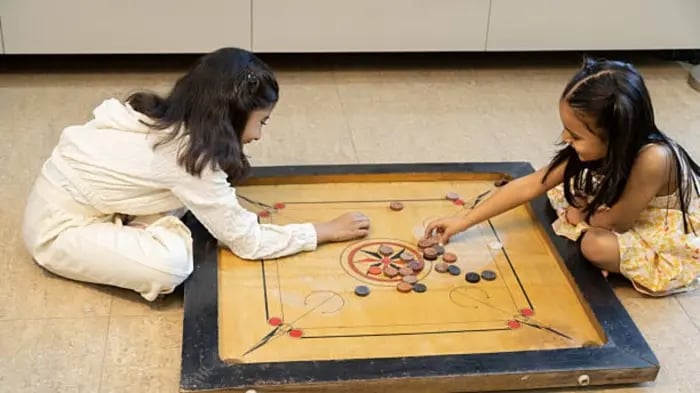
Give kids blocks, cups, or cardboard and challenge them to build structures, encouraging creativity, planning, problem-solving, and fine motor skills.
Indoor Scavenger Hunt
Create a list of colors, shapes, or household objects for kids to find, encouraging observation, movement, vocabulary, and thinking skills.
Paper Airplane Challenge
Help kids create paper airplanes and test different designs, encouraging creativity, observation, problem-solving, and simple experimentation through play.
Bingo
Create bingo cards using pictures, numbers, colors, or words, helping kids practice recognition, listening, concentration, and turn-taking.
Story Chain
Start a story and let each family member add sentences, encouraging kids to develop imagination, listening, memory, language, and creativity.
Color Sorting Challenge
Ask kids to sort safe household objects by color, size, shape, or material to encourage observation, classification, and early thinking.
Twenty Questions
Choose an object and let kids ask yes-or-no questions to guess it, encouraging logical thinking, memory, communication, and reasoning.
Indoor Basketball
Use a soft ball and a stable basket for gentle tossing practice, helping kids develop aiming, hand-eye coordination, movement, and counting.
Family Trivia
Ask age-appropriate questions about animals, nature, food, hobbies, or school subjects to encourage memory, knowledge, listening, and communication.
Conclusion
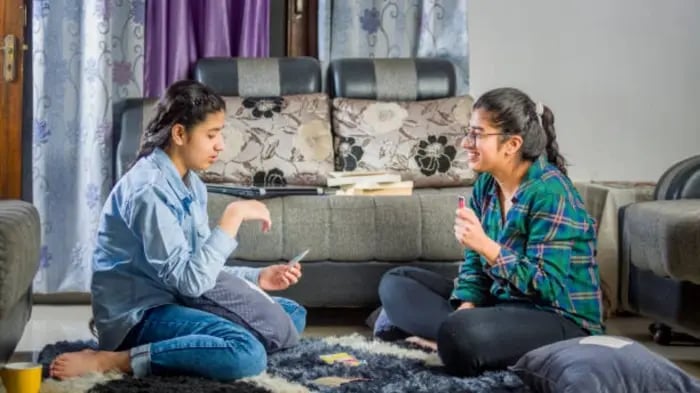
Indoor play can turn ordinary time at home into an opportunity for movement, creativity, learning, and family connection. From treasure hunts and balloon games to puzzles, trivia, and storytelling, games to play at home with kids can suit different ages, energy levels, and interests. Simple preparation and flexible rules can help every child participate comfortably. By keeping activities varied and enjoyable, families can create memorable moments while encouraging useful skills through everyday play.
Frequently Asked Questions
What are some fun indoor games to play at home with kids?

Treasure hunts, charades, freeze dance, balloon volleyball, bingo, puzzles, scavenger hunts, and storytelling are simple games to play at home with kids that require little preparation.
How can indoor games help kids learn?
Indoor games can encourage skills such as memory, concentration, communication, coordination, creativity, problem-solving, teamwork, and following instructions while keeping learning enjoyable.
What indoor games can kids play without toys?
Kids can enjoy charades, Simon Says, Twenty Questions, storytelling, trivia, freeze dance, treasure hunts, and Follow the Leader using little or no special equipment.
Her love for storytelling began with reading her grandfather’s speeches, where Tarishi saw the power of words in creating lasting memories. Combining her passions for food and writing, she has turned her life into a fulfilling path of sharing stories that celebrate flavours and how food brings communities together.
The views expressed are that of the expert alone.
Popular Topics