



 Parenting Guide


 Child Health & Growth


 Learning & Skills Development


 Food & Nutrition


 Bournvita






Introduction
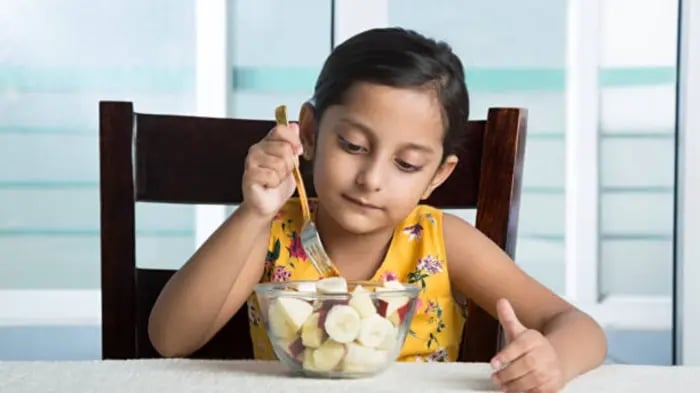
Looking for an immune booster for kids is common, especially when children are frequently exposed to germs at school, playgrounds and other shared spaces. However, no single food can make a child immune to illness. A varied diet and healthy daily habits can instead provide nutrients that support normal immune function.
Fruits, vegetables, whole grains, protein-rich foods, nuts and seeds can supply nutrients such as vitamins A, C, D and E, zinc and selenium. Along with nutritious meals, children need adequate sleep, physical activity, good hygiene, recommended vaccines and a smoke-free environment.
Can You Really “Boost” a Child’s Immune System?
There is no food, drink or supplement that can make a child's immune system stronger overnight or prevent every infection. The better goal is to support normal immune function through adequate nutrition and healthy routines.
A balanced diet supplies nutrients needed by immune cells, while sleep, activity and hygiene support overall health. Vaccines are also essential because they train the immune system to recognise specific diseases.
Everyday Habits That Support Children’s Immunity
- Offer varied meals: Include fruits, vegetables, whole grains, pulses, dairy or alternatives and suitable protein sources.
- Prioritise sleep: Follow age-appropriate sleep routines and keep bedtime consistent.
- Keep vaccinations up to date: Follow the recommended childhood immunisation schedule.
- Practise hand hygiene: Encourage children to wash their hands at appropriate times, particularly before eating and after using the toilet.
- Encourage movement: Provide regular opportunities for age-appropriate active play and physical activity.
- Maintain hydration: Offer water regularly, particularly during hot weather and physical activity.
- Keep the environment smoke-free: Avoid exposing children to tobacco smoke and other harmful indoor pollutants.
Five Food and Lifestyle Choices to Support Immune Function
Fruits and Vegetables
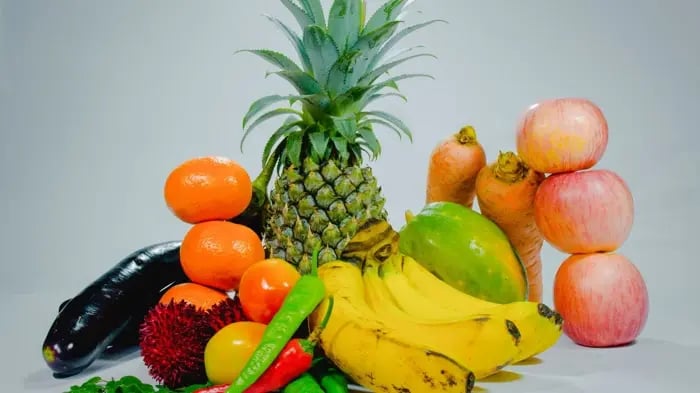
Oranges, amla, guava, berries, tomatoes and colourful vegetables can provide vitamin C, carotenoids, folate and other nutrients. Vitamin C is important for normal immune function, while vitamin A also plays an important role in immunity.
Yogurt and Fermented Foods
Yogurt can provide protein and other nutrients, and some products contain live cultures. However, not every fermented food contains live probiotics, so check the product label when this is relevant. Probiotic foods should complement, rather than replace, a varied diet.
Nuts and Seeds
Almonds, walnuts, peanuts, flaxseeds and sunflower seeds provide nutrients including vitamin E, magnesium, zinc and healthy fats. These contribute to normal body functions, including immune function.
For young children, whole nuts and seeds can be choking hazards. Use smooth nut butter or finely ground forms when age-appropriate, and avoid nuts entirely if the child has a known allergy.
Sunlight and Outdoor Play
Outdoor play provides opportunities for movement and exposure to sunlight, which can contribute to vitamin D production. Vitamin D is important for bone health and normal immune function. However, vitamin D needs vary, and sunlight exposure should not be prescribed as a universal daily treatment.
Good Sleep and Hydration

Adequate sleep supports children's overall health, while water helps maintain normal hydration. Both are important parts of healthy routines but should not be described as treatments for infections. Sleep requirements vary by age.
When Supplements May Be Needed
Children generally do not need immunity supplements simply because they get occasional colds or infections. Supplements may be appropriate when a child has a diagnosed deficiency, a restricted diet or a specific medical need. A paediatrician or qualified dietitian can determine whether supplementation is appropriate. In children without a deficiency, routine vitamin and mineral supplements generally do not prevent infections or make children recover faster.
When Frequent Illness Needs Medical Advice
Occasional infections can be part of childhood, but speak with a paediatrician if infections are unusually severe or recurrent, or if the child has poor growth, persistent fever or prolonged recovery. Breathing difficulty, significant weakness or other serious symptoms require prompt medical attention.
Conclusion
Supporting a child's immune health is not about finding one “magic” immune booster for kids. A varied diet, adequate sleep, regular activity, hydration, hand hygiene, recommended vaccines and a smoke-free environment provide a stronger foundation.
Start by adding more variety to your child's meals and maintaining consistent daily routines. If your child has frequent or unusually severe illnesses or you are considering supplements, discuss their needs with a paediatrician.
Frequently Asked Questions
What is the best immune booster for kids?

No single food is the best immune booster. A varied diet, sleep, activity, hygiene and recommended vaccines collectively support normal immune function.
Which foods support normal immune function?
Fruits, vegetables, pulses, whole grains, dairy or alternatives, nuts, seeds and protein-rich foods provide nutrients needed for normal immune function.
Do children need immunity supplements?
Most children do not need routine immunity supplements. They may be useful for diagnosed deficiencies, restricted diets or specific medical needs under professional guidance.
When should frequent infections be discussed with a pediatrician?
Discuss unusually severe or recurrent infections, poor growth, persistent fever or prolonged recovery with a paediatrician for appropriate assessment.
Her love for storytelling began with reading her grandfather’s speeches, where Tarishi saw the power of words in creating lasting memories. Combining her passions for food and writing, she has turned her life into a fulfilling path of sharing stories that celebrate flavours and how food brings communities together.
The views expressed are that of the expert alone.